
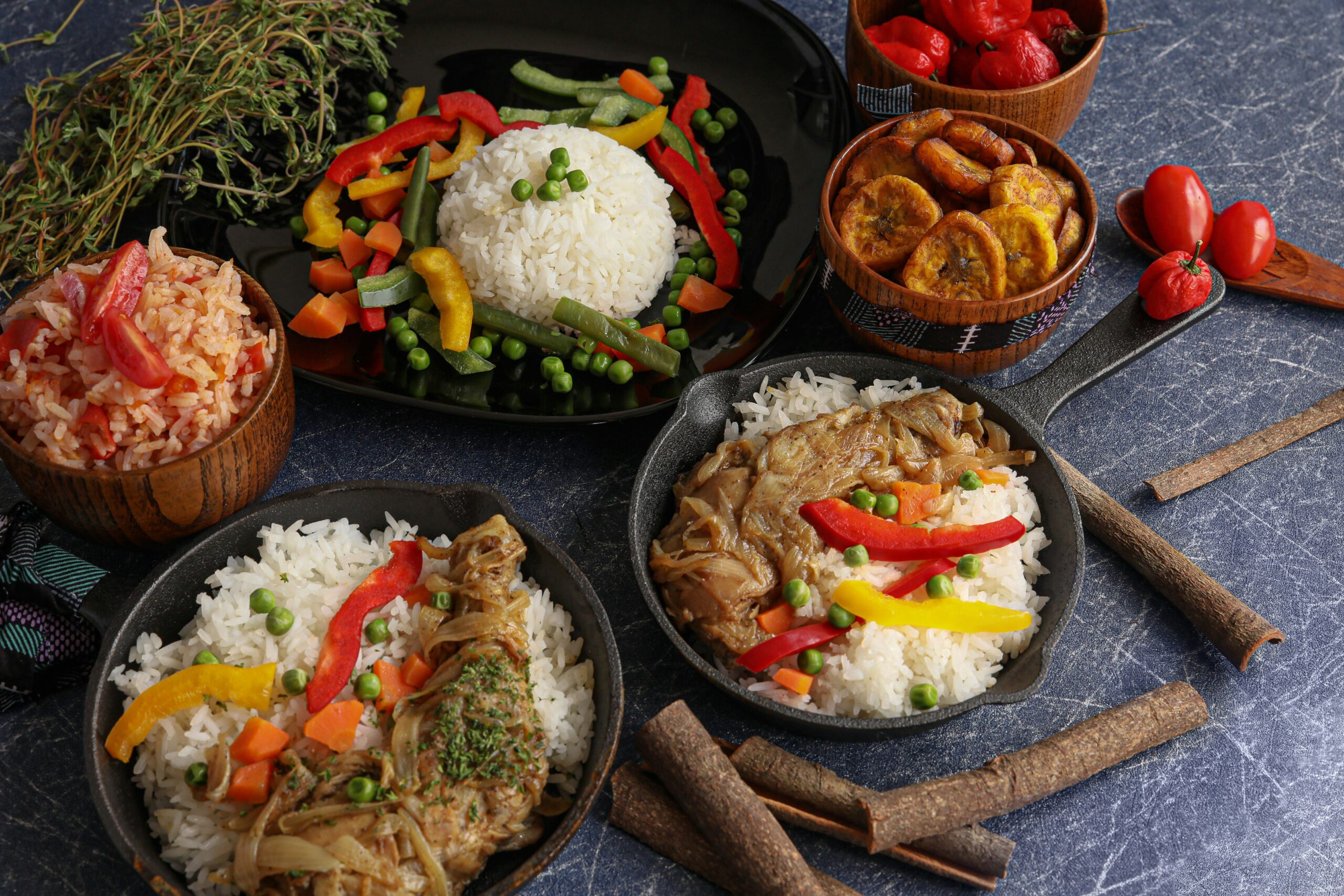
Haitian cuisine is a vibrant and flavorful experience, deeply rooted in a rich history blending African, French, Spanish, and Taino influences. If you’re looking to explore the heart of Haitian culture, you absolutely must try its traditional foods. It’s not just about eating; it’s about tasting history, community, and the unique spirit of the island.
Traditional Haitian food is more than just sustenance; it’s an expression of hospitality and a celebration of life. Each dish tells a story, and the flavors are as complex and captivating as the country itself. Forget what you think you know about Caribbean food – Haitian cuisine offers a distinctive profile that sets it apart.
The Heartbeat of Haitian Cuisine: Rice and Beans
No conversation about Haitian food can begin without mentioning the staples: rice and beans. They are the backbone of almost every meal, served in countless variations. This isn’t just a side dish; it’s practically a main event.
Diri Blan ak Sos Pwa (White Rice with Bean Sauce)
This is perhaps the most fundamental Haitian meal. “Diri blan” is perfectly cooked white rice, often fluffy and aromatic. The real star, however, is the “sos pwa” – a rich, creamy, and savory bean sauce.
Traditional sos pwa starts with a base of pre-cooked beans, usually black beans, though red beans are also common. These beans are then pureed until smooth, and the mixture is simmered with a sofrito-like base called “epis” (a foundational Haitian seasoning paste made from garlic, onions, bell peppers, Scotch bonnet peppers, herbs like thyme and parsley, and sometimes cloves or vinegar).
The resulting sauce is thick, deeply flavored, and often has a subtle kick from the Scotch bonnet. It’s usually spooned generously over the white rice, creating a comforting and filling meal. It’s the ultimate comfort food, simple yet profound in its flavor. The earthy notes of the beans, the subtle heat, and the freshness of the herbs create a harmonious balance that is truly satisfying.
Diri ak Pwa kole (Rice and Beans Cooked Together)
Unlike sos pwa where the beans are served as a separate sauce, “diri ak pwa kole” involves cooking the rice and beans together in a single pot. This method infuses every grain of rice with the rich flavor of the beans.
Typically, red kidney beans are used for this dish. The beans are first cooked until tender, then the rice is added to the same pot with seasonings like epis, sometimes a whole Scotch bonnet (removed before serving for less heat), and a bit of oil. The mixture is then simmered until the rice is fully cooked and has absorbed all the flavorful liquid.
The result is a more intensely flavored and cohesive dish, where the rice takes on a beautiful reddish-brown hue and a hearty texture. It’s often served with a piece of fried meat or fish, and perhaps a small side of pikliz. This dish is a testament to Haitian ingenuity in making simple ingredients shine.
Diri ak DjonDjon (Black Mushroom Rice)
This is a true delicacy and a source of immense national pride. “Diri ak djon-djon” isn’t just rice and mushrooms; it’s an experience. The “djon-djon” refers to a specific type of dried black mushroom native to Haiti.
The unique flavor and characteristic dark color of the rice come from soaking these dried mushrooms in hot water. This creates a deeply pigmented and earthy broth, which is then used as the cooking liquid for the rice. Epis, green onions, and sometimes small pieces of meat or shrimp are often added to enhance the flavor.
The resulting rice is a stunning dark gray to black color, incredibly aromatic, and bursting with an umami-rich, earthy taste that is truly unique. It’s often reserved for special occasions and celebrations, a testament to its prized status. If you see it on a menu, don’t hesitate – it’s a must-try. The flavor is unlike anything you’ve tasted, a deep, resonant earthiness that lingers pleasantly on the palate.
If you’re intrigued by the rich culinary heritage of Haiti, you might also want to explore the delightful flavors of jute leaves in Haitian cuisine. A great resource for this is the article on a delicious Haitian Lalo (jute leaf) recipe, which highlights how this unique ingredient can be prepared and enjoyed. You can read more about it in this article. This dish is a perfect complement to the traditional Haitian foods you must try at least once, showcasing the vibrant and diverse flavors of Haitian cooking.
Savory Stews and Hearty Meats
Haitian cuisine truly excels in its stewed and fried meat dishes. These are often slow-cooked to perfection, creating tender, flavorful proteins that are a staple at any Haitian table.
Griyo (Fried Pork)
“Griyo” is arguably Haiti’s most iconic dish. It’s a tantalizing preparation of fried pork that’s incredibly flavorful and wonderfully textural. It’s simple in concept but complex in execution, requiring patience and skill.
The process begins with braising chunks of pork in a mixture of citrus juices (often bitter orange or lime), epis, and sometimes a bit of water. This tenderizes the meat and infuses it with flavor. Once braised and tender, the pork pieces are then deep-fried until they are crispy on the outside and still juicy and tender on the inside.
The crackling skin and succulent meat are a harmonious combination. Griyo is typically served with pikliz (a spicy pickled cabbage slaw), fried plantains, and often a side of diri ak pwa or diri blan ak sos pwa. It’s a celebratory dish, perfect for sharing and an absolute explosion of flavor and texture. The acidity from the citrus, the aromatic epis, and the crispy-yet-tender pork make for an unforgettable bite.
Tasso Kabrit (Fried Goat)
Similar in preparation to griyo but using goat meat, “tasso kabrit” offers a distinct flavor profile that is highly prized in Haiti. Goat meat, being leaner and having a more gamey flavor than pork, requires a slightly different approach but yields equally delicious results.
Like griyo, the goat meat is first marinated and braised in citrus and epis until it’s very tender. Then, it’s fried until it develops a beautiful golden-brown crust, while remaining moist and flavorful on the inside.
Tasso kabrit is often served with the same accompaniments as griyo – pikliz, fried plantains, and rice and beans. The slightly stronger, more distinctive flavor of the goat makes tasso a favorite among those who enjoy heartier meats. It’s a dish that truly showcases the versatility and depth of Haitian cooking.
Poule en Sauce (Stewed Chicken)
“Poule en sauce” is a comforting and universally loved dish in Haiti. It’s a hearty chicken stew, deeply flavored and often featuring a rich, savory gravy.
Chicken pieces (often bone-in, skin-on for maximum flavor) are first marinated in epis. They are then often lightly browned before being stewed with vegetables like carrots, potatoes, bell peppers, and sometimes chayote (christophine). A rich, tomato-based sauce, further enhanced by more epis, often a touch of tomato paste, and sometimes a hint of bitter orange or lime, is added to simmer until the chicken is fork-tender and the sauce has thickened.
This dish exemplifies home-cooked Haitian food. It’s warming, flavorful, and incredibly satisfying, typically served over white rice, allowing every drop of the delicious sauce to be savored. Each spoonful brings a medley of tender chicken, soft vegetables, and that irresistible savory sauce.
Flavorful Fritters and Street Food Delights
Haitian street food and fritters are a world unto themselves, offering quick, delicious bites that are bursting with flavor and often a little bit of heat.
Akra (Malanga Fritters)
“Akra,” often spelled “accra,” are savory fritters made from malanga (a root vegetable similar to taro). They are a delightful and popular snack or appetizer.
The malanga is grated or processed into a thick paste, then mixed with finely chopped epis, Scotch bonnet pepper, and sometimes a little flour to bind it. This spicy batter is then spooned into hot oil and deep-fried until golden brown and crispy on the outside, and soft and fluffy on the inside.
Akra are incredibly addictive – earthy from the malanga, aromatic from the epis, and with a lovely kick from the pepper. They are often served with pikliz or simply enjoyed on their own as a savory bite. They’re a fantastic introduction to Haitian flavors. The texture is truly unique, a pleasing contrast between the crispy exterior and the tender interior.
Marinad (Savory Fritters)
“Marinad” is another type of Haitian fritter, but this one is typically made from a wheat flour-based batter and can sometimes contain small pieces of meat or fish. Unlike akra, which is root-vegetable based, marinad represents a different fritter tradition.
The batter for marinad is usually seasoned with epis, herbs, and a touch of Scotch bonnet, giving it a savory and slightly spicy profile. It’s then deep-fried until puffed and golden. Sometimes, shredded meat like chicken or codfish is folded into the batter, making them more substantial.
They are a versatile snack, enjoyed at any time of day, perhaps with a cup of coffee or as a side to a larger meal. Marinad offers a different kind of Haitian comfort – warm, slightly chewy, and always flavorful.
Banann Peze (Fried Plantains)
While not exclusively Haitian, “banann peze” (or “tostones” in other Caribbean cultures) are an absolute staple and a must-try accompaniment to almost any Haitian meal.
Green plantains are peeled, sliced into thick rounds, and then lightly fried. After the first fry, they are removed, dramatically “smashed” or flattened (often with a specialized press or simply a heavy object), seasoned with a sprinkle of salt, and then fried a second time until they are incredibly crispy and golden brown.
The result is a delicious sweet and savory treat – crispy on the outside, tender on the inside, and with a characteristic starchy-sweet flavor of the plantain. They are often served alongside griyo, tasso, fried fish, or as a snack with pikliz. They are addictive and perfectly complement the richness of many Haitian dishes.
Refreshing Drinks and Sweet Treats
No meal is complete without something to quench your thirst or satisfy your sweet tooth, and Haiti offers a range of delightful options.
Kremas (Haitian Eggnog)
“Kremas” is Haiti’s festive, alcoholic beverage, often likened to eggnog, particularly popular around Christmas and other celebrations. It’s creamy, rich, and wonderfully aromatic.
Made with condensed milk, evaporated milk, cream of coconut, rum (often Clairin, a more traditional Haitian rum, or white rum), nutmeg, cinnamon, and vanilla, it’s a sweet and potent drink. Some recipes also include a hint of lime zest or almond extract.
The ingredients are blended until smooth and then chilled. Kremas is served cold, often over ice. It’s a taste of Haitian hospitality and joy in a glass – sweet, spicy, and warming. It’s a truly unique and delicious experience that captures the festive spirit of the country.
Jus Natirel (Fresh Juices)
Haiti, being a tropical country, boasts an abundance of fresh fruits, and “jus natirel” (natural juices) are a vibrant and refreshing part of daily life.
Common flavors include mango, passion fruit (grenadia), soursop (korosol), papaya, tamarind, and guava. These fruits are blended with water and sugar (to taste), sometimes with a squeeze of lime to brighten the flavors, and served chilled.
These juices are not just thirst-quenchers; they are an explosion of fresh, tropical flavors that perfectly complement the rich and savory Haitian cuisine. They are a healthy and delicious way to experience the bounty of the island.
Pen Patat (Sweet Potato Pudding)
“Pen patat” is a traditional Haitian sweet potato pudding, a comforting dessert that truly showcases the island’s agricultural richness.
It’s made with grated sweet potatoes, often mixed with grated coconut, raisins, spices like cinnamon and nutmeg, ginger, evaporated milk, condensed milk, and sugar. The mixture is baked until it sets into a moist, dense, and flavorful pudding.
Pen patat is rich, sweet, and wonderfully aromatic, often enjoyed warm or at room temperature. It’s a satisfying end to a meal or a delightful snack, offering a taste of Haitian home baking. The texture is custardy and flavorful, a true comfort food dessert.
If you’re eager to explore the rich culinary heritage of Haiti, you should definitely check out the article on Traditional Haitian Foods You Must Try at Least Once. It highlights various dishes that showcase the vibrant flavors and unique ingredients of Haitian cuisine. For a deeper understanding of one specific ingredient often used in these dishes, you might find the article on Haitian bulgur wheat particularly enlightening, as it delves into its significance and versatility in traditional recipes.
The Essential Condiment: Pikliz
While not a dish in itself, “pikliz” is so fundamental to the Haitian dining experience that it deserves its own mention. You simply cannot try Haitian food without it.
Pikliz is a spicy pickled cabbage relish, often made with shredded cabbage, carrots, bell peppers, onions, and most importantly, fiery Scotch bonnet peppers. These ingredients are thinly sliced or shredded and then marinated in a vinegary brine, often with added spices like cloves or peppercorns.
It serves as a crucial counterpoint to the rich, savory, and often fried dishes of Haiti. Its sharp acidity, crunch, and intense heat cut through the richness of griyo or fried fish, cleansing the palate and adding an invigorating burst of flavor. It’s an essential condiment, bringing balance and a signature Haitian kick to almost every plate. Don’t be afraid to try it, even if you’re sensitive to spice – a small amount can transform a dish.
Beyond the Plate: Food as Culture
Experiencing Haitian food is about more than just eating; it’s about understanding a culture. Meals are often communal, a time for family and friends to gather. The love and care that go into preparing these dishes are palpable. From the slow braising of meats to the careful balance of spices in the epis, each step is a testament to culinary tradition passed down through generations.
So, when you encounter these dishes, remember you’re not just feeding your body, you’re feeding your soul with a taste of Haiti’s beautiful history and vibrant spirit. Don’t just try a dish; savor it, appreciate its origins, and understand the role it plays in the heart of Haitian life.
FAQs
What are some traditional Haitian foods?
Some traditional Haitian foods include griot (fried pork), diri ak djon djon (rice with black mushrooms), tassot (fried goat), and legim (vegetable stew).
What are some staple ingredients in Haitian cuisine?
Staple ingredients in Haitian cuisine include rice, beans, plantains, yams, and various meats such as pork, goat, and chicken. Additionally, spices like thyme, cloves, and scotch bonnet peppers are commonly used.
What is the significance of food in Haitian culture?
Food holds great significance in Haitian culture, often being a central part of social gatherings and celebrations. Many traditional Haitian dishes have deep roots in the country’s history and are tied to cultural and religious practices.
Are there any unique cooking techniques used in Haitian cuisine?
Haitian cuisine often involves marinating meats in citrus juices and spices before cooking, as well as slow-cooking stews and soups to develop rich flavors. Additionally, frying and grilling are common cooking techniques used in Haitian cuisine.
What are some popular desserts in Haitian cuisine?
Popular desserts in Haitian cuisine include sweet potato pudding, cassava cake, and tèt grenn (coconut and peanut clusters). These desserts often feature tropical ingredients and are enjoyed during special occasions and holidays.
No responses yet