
Let’s talk about Haitian coffee. If you’re wondering how to brew it for the best flavor, the short answer is: use good quality beans, the right grind, and a brewing method that respects its unique character. Haitian coffee often has a bright acidity and distinct fruity or floral notes, so the goal is to let those shine without overwhelming them. Think of it less like trying to force a specific flavor out and more like helping the coffee’s natural qualities come to the forefront.
Before we even get to the brewing, it’s worth understanding what makes Haitian coffee special. It’s not just another bag of beans; it has a history and a terroir that influences its taste.
A Little History and Terroir
Haiti has a long history with coffee, dating back to the colonial era. While the industry has faced its share of challenges, there’s a resurgence of quality-focused production, particularly in regions like the mountains of Grand’Anse and the Massif de la Selle. These areas offer ideal growing conditions: high altitudes, rich volcanic soil, and a favorable climate. This environment contributes to the development of complex flavor compounds in the coffee cherries.
Common Flavor Notes
When you’re enjoying Haitian coffee, you might detect:
- Bright Acidity: This isn’t the sour, unpleasant kind. It’s more of a lively, citrusy tang that makes the coffee feel refreshing and vibrant on your palate.
- Fruity Undertones: Think notes of berries, stone fruits like peach or apricot, or even hints of citrus.
- Floral Aromas: Some Haitian coffees can have delicate floral scents, almost like jasmine or honeysuckle.
- Medium Body: Generally, Haitian coffees lean towards a medium body, meaning they have a pleasant weight and texture without being heavy or syrupy.
- Clean Finish: A well-brewed Haitian coffee usually leaves a clean, lingering taste rather than a bitter or muddy aftertaste.
Why This Matters for Brewing
Knowing these characteristics helps you choose your brewing method and parameters. You want to avoid techniques that might strip away the subtle nuances or introduce bitterness that masks the delicate flavors.
If you’re looking to enhance your Haitian coffee experience, you might also be interested in exploring the vibrant flavors of traditional Haitian pickles, known as pikliz. This tangy condiment pairs wonderfully with various dishes and can elevate your coffee break to a new level of culinary delight. For a deeper dive into the art of making this delicious accompaniment, check out this article on Haitian pikliz: Haitian Piklis.
Choosing the Right Beans: Where Quality Begins
This is perhaps the most crucial step. You can have the best brewing technique in the world, but if your beans aren’t up to par, your coffee won’t sing.
Sourcing Your Haitian Coffee
- Look for Specialty Roasters: Seek out roasters that specifically source and highlight Haitian coffee. They’ll often provide information about the region the beans came from, the farming cooperative, and their roasting profile.
- Freshness is Key: Always check for a roast date. Coffee is best consumed within a few weeks (ideally 4-6) of roasting. Avoid beans that have been sitting on a shelf for months.
- Whole Bean vs. Ground: Buying whole beans and grinding them just before brewing will always yield a fresher, more flavorful cup. Pre-ground coffee loses its aromatics and flavors much faster.
Understanding Roast Levels
- Light Roasts: These tend to preserve the most of the coffee’s original characteristics, including its bright acidity and delicate floral or fruity notes. They are often ideal for showcasing Haitian coffees.
- Medium Roasts: These offer a balance between the bean’s original flavors and the notes developed during roasting. You’ll likely get a good combination of acidity and nuanced sweetness.
- Dark Roasts: While some people enjoy darker roasts, they can sometimes mask the subtle complexities of Haitian coffees, introducing more bitterness and smoky notes that might overpower the desired flavors. If you prefer a darker roast, look for one that’s described as “medium-dark” to retain some of the inherent character.
What to Look For on the Bag
Beyond the roast date, good packaging will often include:
- Origin: Specific region or cooperative in Haiti.
- Varietal: (e.g., Typica, Bourbon) though this can be harder to find on less specialized bags.
- Tasting Notes: The roaster’s description of the aroma and flavor profile.
Grinding for Precision: The Foundation of Flavor Extraction

The grind size is directly linked to how quickly water extracts flavor from the coffee. Get it wrong, and you’ll either have a weak, sour brew or a bitter, over-extracted one.
The Importance of the Right Grind Size
- Extraction Rate: Finer grinds have more surface area, meaning water flows through them faster and extracts flavors more quickly. Coarser grinds have less surface area, leading to slower extraction.
- Brewing Method Dictates Grind: Different brewing methods require different grind sizes. This is because the contact time between water and coffee varies.
Grind Size Guide for Common Methods
- Extra Coarse (like peppercorns): French Press. The long steep time requires a coarse grind to prevent over-extraction and sediment.
- Coarse (like sea salt): Chemex, Percolator. These require a slightly finer grind than French Press but still allow for a controlled flow.
- Medium-Coarse (like rough sand): Automatic Drip Machines (some models), Clever Dripper. A good all-rounder for methods with moderate brew times.
- Medium (like regular sand): Pour Over (V60, Kalita Wave), Aeropress (longer steep). This is a very common and versatile grind.
- Medium-Fine (slightly smoother than sand): Aeropress (shorter steep), Moka Pot.
- Fine (like table salt): Espresso. Requires very consistent particle size for optimal pressure extraction.
Investing in a Good Grinder
- Burr Grinders are Best: Don’t mess around with blade grinders if you’re serious about flavor. Burr grinders create a much more consistent particle size, leading to a more even extraction. This is crucial for avoiding bitter or sour notes.
- Conical vs. Flat Burrs: Both are good. Conical burrs are generally more affordable and common in home grinders. Flat burrs can offer slightly more uniformity.
- Adjustability: Look for a grinder with a wide range of grind settings so you can dial in the perfect size for any brewing method.
Grinding Just Before Brewing
As mentioned, this is non-negotiable for optimal flavor. Once coffee is ground, oxidation accelerates rapidly, and volatile aromatics evaporate. A minute or two spent grinding fresh beans is a small effort for a significant flavor reward.
Brewing Methods: Letting Haitian Coffee Shine

With your great beans and perfect grind, it’s time to choose a brewing method that plays to Haitian coffee’s strengths. The goal is to highlight its acidity and delicate notes.
Pour Over Methods (V60, Chemex, Kalita Wave)
These methods offer a lot of control and are fantastic for coffees with nuanced flavors.
- Why they work: Pour overs allow for a relatively fast brew time and a clean cup. You can control the water temperature, pour rate, and bloom phase, all of which influence the extraction.
- How to do it:
- Grind: Medium to medium-fine.
- Water Temp: Around 195-205°F (90-96°C).
- Bloom: Pour just enough hot water to saturate the grounds and let them sit for 30-45 seconds. This releases CO2.
- Pouring: Pour the remaining water in slow, concentric circles, keeping the water level consistent. Aim for a total brew time of 2-4 minutes depending on the brewer and volume.
- Filter: Use good quality paper filters to ensure a clean cup free from sediment.
French Press
A classic for a reason, the French Press can yield a rich, full-bodied cup.
- Why it works: The immersion brewing process allows for maximum contact between the coffee and water, resulting in more of the coffee’s oils being retained, leading to a richer mouthfeel.
- How to do it:
- Grind: Extra coarse.
- Water Temp: Around 195-205°F (90-96°C).
- Steep Time: 4 minutes is standard.
- Plunging: Plunge slowly and steadily. Avoid pressing too hard.
- Serve Immediately: Don’t let the coffee sit in the press after plunging, as it will continue to extract and can become bitter.
Aeropress
Versatile and forgiving, the Aeropress can produce a clean cup or a more concentrated brew.
- Why it works: It combines immersion and pressure, offering a wide range of possibilities. The shorter brew time can help preserve delicate flavors.
- How to do it (Example for a Clean Cup):
- Grind: Medium.
- Water Temp: Around 180-190°F (82-88°C) for brighter notes.
- Add coffee, then water.
- Stir: Gently stir for 10 seconds.
- Steep: Let it steep for 1-2 minutes.
- Plunge: Plunge slowly and steadily for about 20-30 seconds. You can dilute the concentrate with hot water to taste, creating an Americano-style drink.
Moka Pot
For a more concentrated, espresso-like brew without an espresso machine.
- Why it works: Produces a strong brew that can be a good base for milk drinks or enjoyed on its own.
- How to do it:
- Grind: Medium-fine.
- Water: Fill the lower chamber with hot water (not boiling) up to the valve.
- Basket: Fill the filter basket with coffee grounds without tamping. Level it off.
- Assemble and Heat: Screw the top chamber on tightly and place on medium heat.
- Brew: Coffee will start to flow into the upper chamber. Once it begins to gurgle loudly, remove from heat immediately to avoid over-extraction. You might want to run the base under cool water to stop the brewing process.
If you’re looking to enhance your coffee experience, you might find it interesting to explore the cultural significance and unique brewing methods of Haitian coffee. For more insights on this topic, check out this informative article that delves into the rich history and flavors of Haitian coffee. You can learn more about it by visiting this link. Understanding the origins and preparation techniques can truly elevate your appreciation for this delightful beverage.
Water Quality and Temperature: The Unsung Heroes
| Step | Instructions |
|---|---|
| 1 | Use freshly ground Haitian coffee beans |
| 2 | Use a French press or pour-over method for brewing |
| 3 | Use hot water, but not boiling, to brew the coffee |
| 4 | Let the coffee steep for 4-5 minutes before pressing or pouring |
| 5 | Enjoy the rich and flavorful Haitian coffee |
You might have the best beans and the perfect grind, but if your water isn’t right, your coffee will suffer.
The Role of Water in Coffee Flavor
- It’s 98% of Your Cup: Seriously. The minerals and purity of your water have a significant impact on how flavors are extracted and perceived.
- Minerals Matter: Too few minerals (distilled water) can lead to a flat, dull cup. Too many (hard water) can result in over-extraction and a bitter taste, or can prevent proper extraction.
Ideal Water Parameters
- Filtered Water is Best: A good quality water filter (like a Brita or a more advanced system) is a worthwhile investment. It removes chlorine and balances mineral content.
- Avoid Tap Water if: Your tap water has a strong chlorine taste or is very hard.
- SCA Standards: The Specialty Coffee Association (SCA) recommends water with a TDS (Total Dissolved Solids) of 75-250 ppm, with an ideal around 150 ppm. While most home users won’t measure this precisely, using good filtered water is usually sufficient.
Water Temperature: A Delicate Balance
- Too Hot: Can scorch the coffee grounds, leading to bitterness and a loss of delicate aromatics.
- Too Cold: Won’t extract enough flavor, resulting in a weak, sour, and underdeveloped cup.
- The Sweet Spot: For most brewing methods, the ideal temperature range is 195°F to 205°F (90°C to 96°C).
How to Achieve the Right Temperature
- Kettle Thermometer: An electric gooseneck kettle with a built-in thermometer is ideal for pour-over methods.
- Wait After Boiling: If you don’t have a thermometer, boil your water and then let it sit for about 30-60 seconds before pouring. This usually brings it into the optimal range.
If you’re looking to enhance your coffee experience, you might also be interested in exploring the nutritional benefits of other staples in Haitian cuisine. For instance, black beans are a common ingredient that pairs well with coffee and offers numerous health advantages. You can read more about their benefits in this insightful article on black beans. By combining the rich flavors of Haitian coffee with nutritious foods, you can create a delightful and health-conscious meal.
The Finishing Touches: Elevating Your Haitian Coffee Experience
Once you’ve brewed a great cup, there are a few things you can do to ensure you’re enjoying it to its fullest.
Tasting and Adjusting
- Taste it Black First: Before adding milk or sugar, take a sip of your Haitian coffee as is. This is the best way to appreciate its inherent flavors.
- Learn to Taste: Pay attention to the initial aroma, the first sip (acidity), the main body (sweetness, body), and the finish (lingering flavors).
- If it’s Bitter: Your grind might be too fine, your water too hot, or you steeped it too long.
- If it’s Sour: Your grind might be too coarse, your water too cool, or you didn’t steep it long enough.
- Experiment: Coffee brewing is a science and an art. Don’t be afraid to tweak your grind size, water temperature, or brew time slightly with each batch to see what you prefer.
Milk and Sweeteners: A Matter of Preference
Haitian coffee’s bright and often floral notes can be a bit sensitive to additions.
- Minimal is Often Best: Many find that Haitian coffee shines on its own.
- Consider Your Additions: If you do add milk, a lighter milk like whole milk or even a creamy oat milk can complement the flavors without overpowering them. Avoid very dark roasts if you plan to add milk, as the bitterness can combine unpleasantly.
- Sweeteners: If you prefer sweetness, a light touch of raw sugar or honey can work well, but too much can mask the subtle notes you worked to bring out.
Enjoying the Moment
- Good Company: Coffee is often best enjoyed with others.
- Quiet Reflection: Taking a few minutes to simply savor the aroma and taste can be a rewarding ritual.
- Pairing: Lighter pastry or a simple piece of dark chocolate can sometimes be a nice accompaniment, but again, be mindful of overpowering the coffee.
Ultimately, brewing exceptional Haitian coffee is about respecting the bean’s journey from farm to cup. By focusing on quality, understanding your tools, and being willing to experiment, you can unlock a truly delicious and memorable coffee experience that celebrates the unique character of Haiti.
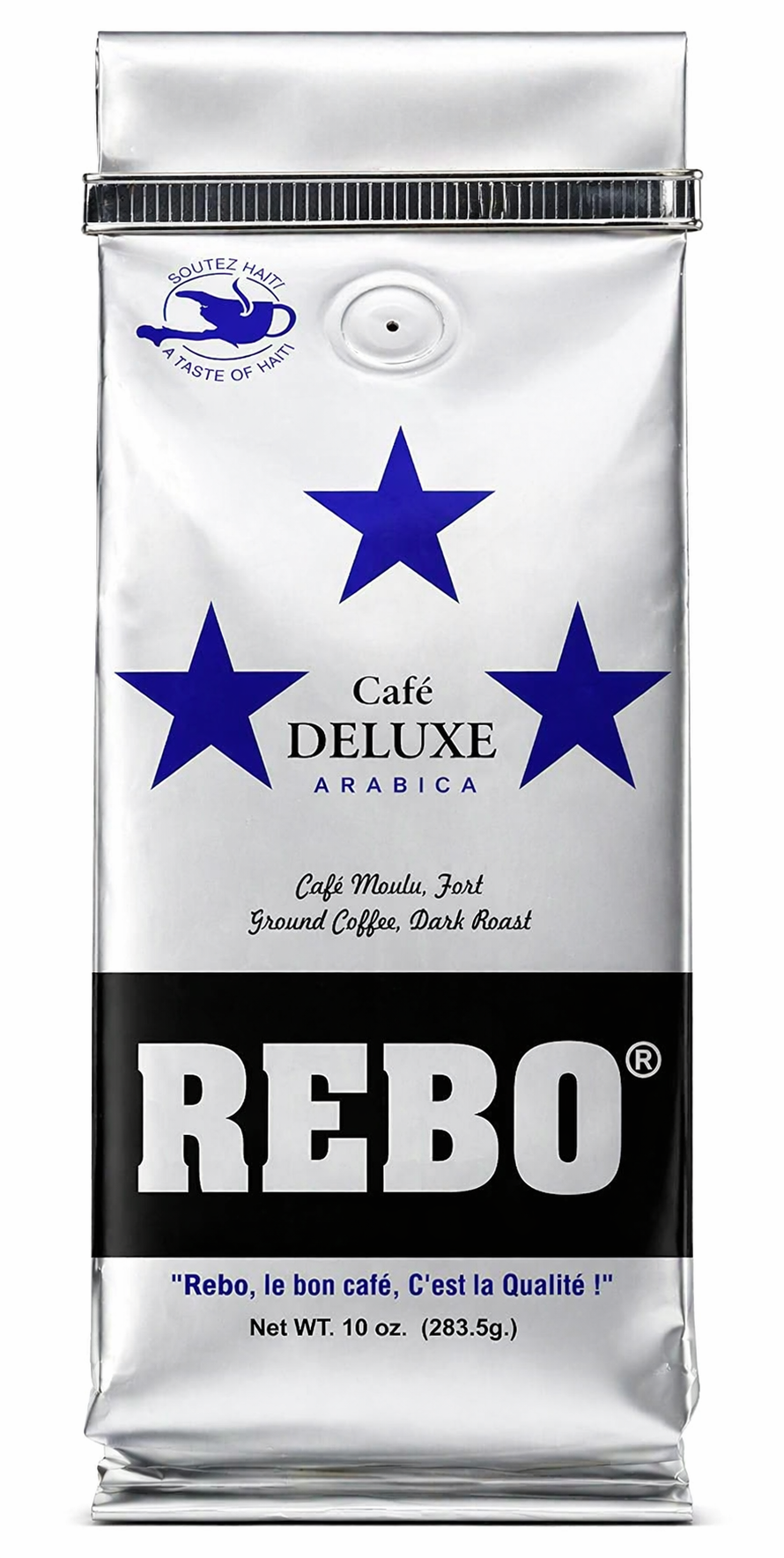
Café Rebo | Tasty Haitian Coffee
FAQs
What is Haitian coffee?
Haitian coffee is a type of coffee grown in the mountainous regions of Haiti. It is known for its unique flavor profile, which is often described as rich, smooth, and slightly spicy.
What makes Haitian coffee unique?
Haitian coffee is unique due to the country’s ideal climate and soil conditions for coffee cultivation. The beans are grown at high altitudes, which contributes to their distinct flavor and aroma.
How should Haitian coffee be brewed for the best flavor?
To brew Haitian coffee for the best flavor, it is recommended to use a French press or pour-over method. The coffee should be ground to a medium-coarse consistency and brewed with water that is just below boiling. This method helps to bring out the full flavor and aroma of the coffee beans.
What are some tips for brewing Haitian coffee at home?
Some tips for brewing Haitian coffee at home include using freshly ground beans, experimenting with different brewing methods to find the one that suits your taste preferences, and storing the coffee beans in an airtight container to preserve their freshness.
Where can I purchase Haitian coffee beans?
Haitian coffee beans can be purchased from specialty coffee shops, online retailers, or directly from Haitian coffee producers. It is important to look for reputable sources to ensure the quality and authenticity of the beans.
No responses yet