
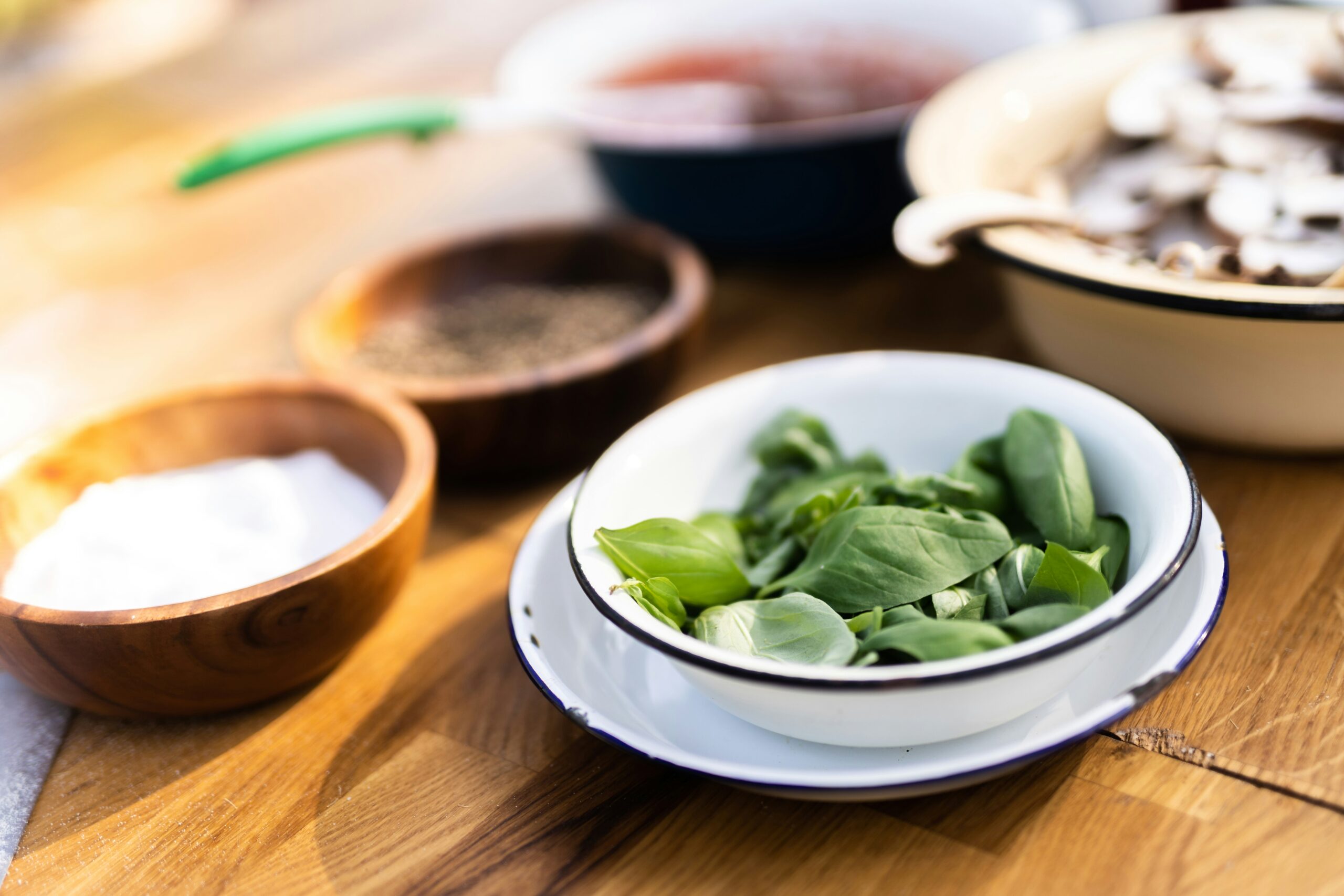
Let’s talk about Lalo. This hearty Haitian stew, often made with jute leaves (though sometimes spinach is used as a substitute), is a staple for a reason. It’s packed with flavor and surprisingly straightforward to prepare, even if you’ve never made it before. The key is patience and building flavors layer by layer. Don’t get intimidated by the ingredients; they come together beautifully.
Before we dive into cooking, it’s good to know what Lalo actually is. It’s essentially a stew that features jute leaves as its star. These leaves have a unique texture and a slightly earthy flavor that transforms when cooked down.
Jute Leaves: The Essential Ingredient
- What they are: Jute leaves, also known as congo beans or saluyut in some cultures, are the young leaves of the Corchorus plant. They are naturally somewhat sticky or gelatinous when cooked, which contributes to the characteristic texture of Lalo.
- Finding them: Fresh jute leaves can be a bit elusive depending on where you live. Look for them at Caribbean or African grocery stores. They often come in bunches. If you can’t find fresh, frozen jute leaves are a great alternative and are usually more readily available.
- The Spinach Alternative: If you absolutely cannot find jute leaves, spinach is the most common substitute. However, be aware that spinach will result in a different texture and a subtly different flavor. You might need to adjust cooking times slightly.
Lalo with Meat: The Common Approach
While Lalo can be made vegetarian, it’s most traditionally prepared with some kind of meat. This adds depth and richness.
- Popular Choices: Beef is very common, often a tougher cut like stew meat or brisket that benefits from slow cooking. Salted beef (beuf sale) is also a classic choice, requiring an initial soaking to remove excess salt. Pork is another popular option, sometimes using ribs or shoulder.
- Making it Tender: The magic happens with slow simmering. The meat needs time to become fork-tender, allowing its flavors to meld with the jute leaves and other aromatics.
If you’re interested in enhancing your culinary skills while preparing Lalo Haitian Style, you might also want to explore the fascinating aspects of flavor chemistry. A related article, The Science Behind the Flavor: Exploring the Chemistry of Clove, delves into how certain spices, like clove, can elevate the taste of your dishes. Understanding these flavor profiles can help you create a more authentic and delicious Lalo, making your cooking experience even more enjoyable.
Prepping Your Ingredients: Setting the Stage for Flavor
Getting your ingredients ready is half the battle. This step ensures everything is prepped and ready to go when it’s time to start cooking.
Preparing the Jute Leaves (or Spinach)
- Fresh Jute Leaves: If you have fresh leaves, give them a good rinse. Then, you’ll typically need to chop them finely. Some recipes call for bruising them slightly beforehand to help release their flavor and texture. You can do this by placing them in a bowl and using a rolling pin or the bottom of a heavy pan to gently press them.
- Frozen Jute Leaves: If using frozen, follow the package instructions. Usually, this involves thawing them completely and then squeezing out as much excess water as possible. Once thawed and squeezed, you’ll also chop them finely.
- Spinach: For spinach, wash it thoroughly. You can chop it fairly fine, or if you prefer a smoother stew, you can even purée some of it after a brief wilt in hot water.
Preparing the Meat
- Beef or Pork Cuts: If you’re using beef or pork like stew meat, cut it into bite-sized pieces. If you are using salted beef, this is a crucial step:
- Soaking Salted Beef: Place the salted beef in a large bowl and cover it with cold water. Let it soak for several hours, changing the water every few hours. This process removes some of the intense saltiness. You can taste a small piece after soaking to gauge its saltiness. If it’s still too salty for your preference, continue soaking.
- Seasoning the Meat: Even if you’re using salted beef (which will still have some inherent salt), it’s good practice to season your meat lightly with black pepper and perhaps a pinch of salt after soaking.
Building the Flavor Base: The Foundation of Authentic Lalo
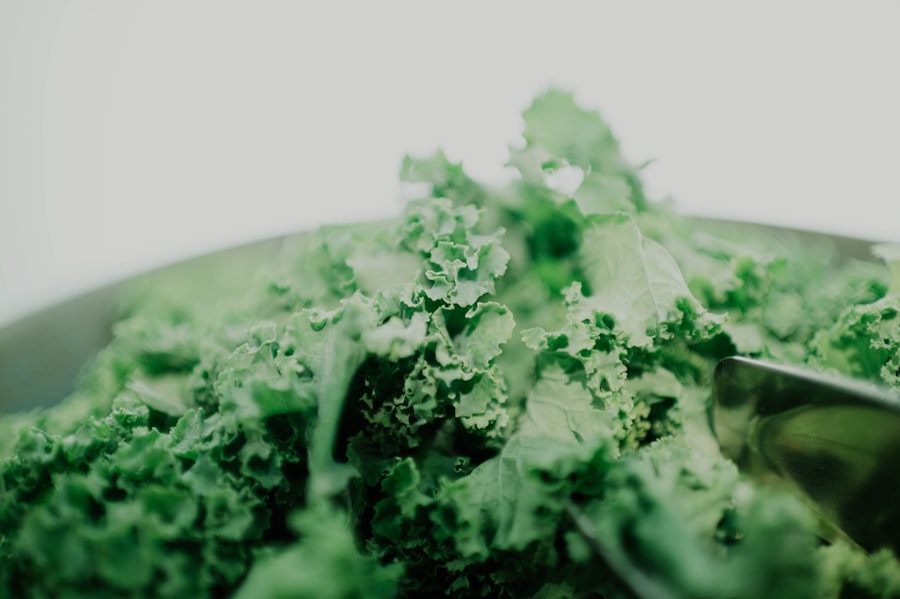
This is where the real magic begins. A good flavor base is what transforms simple ingredients into something special.
Searing the Meat
- Why sear? Searing meat creates a flavorful crust through the Maillard reaction. This adds complexity and richness to the final stew that you just can’t get by just boiling the meat.
- How to do it: In a large, heavy-bottomed pot or Dutch oven, heat a bit of oil (vegetable or canola oil works well) over medium-high heat. Add your cubed meat in batches, making sure not to overcrowd the pot. Sear each side until nicely browned. Remove the seared meat and set it aside.
Aromatics and Spices
- The Holy Trinity: Haitian cooking often relies on a foundational blend of aromatics. This typically includes:
- Onions: Finely chopped yellow or white onions. They add sweetness and depth.
- Garlic: Minced garlic is essential for that pungent, savory kick. Don’t be shy with the garlic!
- Bell Peppers: A diced colorful bell pepper (green, red, or yellow) adds a subtle sweetness and a touch of freshness.
- Cooking the Aromatics: In the same pot where you seared the meat (don’t wipe away the browned bits – that’s flavor!), add a little more oil if needed. Sauté the chopped onions and bell peppers until they are softened, which usually takes about 5-7 minutes. Then, add the minced garlic and cook for another minute until fragrant, being careful not to burn it.
Tomato Paste and Seasoning
- Tomato Paste: A tablespoon or two of tomato paste, stirred into the sautéed aromatics and cooked for a minute or two, deepens the color and adds a concentrated tomato flavor.
- Haitian Epice (Seasoning Powder): This is a common Haitian spice blend that adds incredible flavor. It often contains dried herbs and spices like thyme, parsley, and sometimes a hint of bouillon powder. If you don’t have pre-made epice, you can create your own by combining dried thyme, dried parsley, a pinch of onion powder, garlic powder, and salt and pepper.
- Other Spices: A good pinch of black pepper and a bay leaf are also great additions at this stage.
Bringing It All Together: Simmering to Perfection
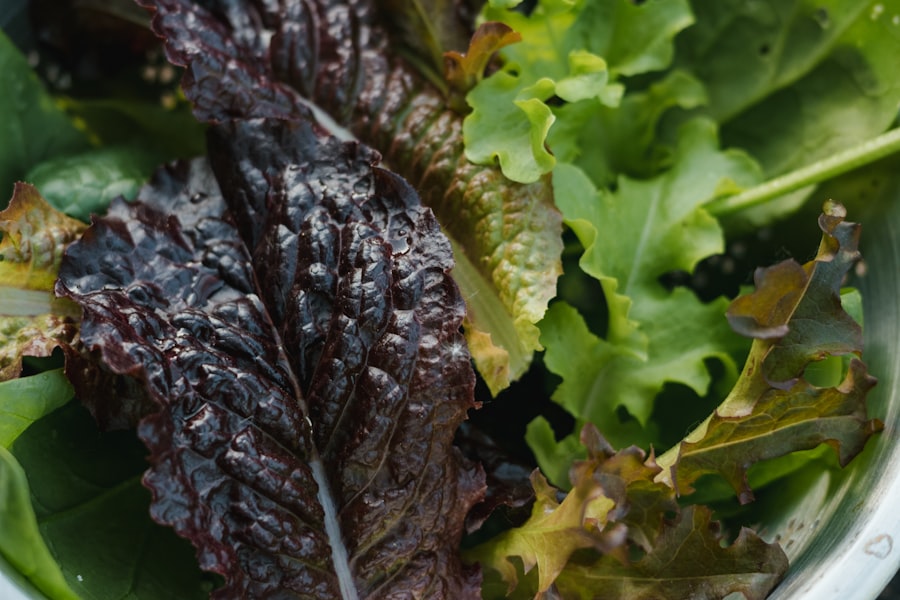
Now, we combine the elements and let time do its work. This is where the stew really develops its signature Lalo character.
Adding the Liquid and Meat
- Broth or Water: Pour in enough beef broth or water to cover the seared meat generously. You want enough liquid to allow the meat to tenderize and for the flavors to meld into a rich stew.
- Return the Meat: Add the seared meat back into the pot with the aromatics and liquid.
- Initial Simmer: Bring the mixture to a gentle simmer. Cover the pot and let it cook for at least 1 hour, or until the meat is starting to become tender. This initial simmer allows the meat to soften and release its flavors into the broth.
Incorporating the Jute Leaves
- Adding the Greens: Once the meat is tenderizing, it’s time to add the chopped jute leaves (or spinach). Stir them into the pot. They will seem like a lot at first, but they will wilt down significantly as they cook.
- The Texture Transformation: This is where the characteristic texture of Lalo starts to form. The jute leaves will release a sticky, somewhat gelatinous liquid that thickens the stew.
- Continued Simmering: Cover the pot again and continue to simmer. The cooking time for the jute leaves will vary. Fresh jute leaves might cook down in 30-45 minutes, while frozen might take a bit longer. Spinach will wilt more quickly, but you’ll want to let it cook for at least 20-30 minutes to integrate its flavor into the stew.
The Final Touches and Adjustments
- Check for Tenderness: Throughout the simmering process, keep checking the meat. It should be fork-tender, easily falling apart. If it’s still tough, continue simmering.
- Adjusting Consistency: If the stew becomes too thick, you can add a little more broth or water to reach your desired consistency. If it’s too thin, you can let it simmer uncovered for a bit to reduce.
- Tasting and Seasoning: This is arguably the most important step! Taste the Lalo and adjust the seasoning. Does it need more salt? More pepper? Perhaps a pinch of cayenne pepper for a little heat? This is where you personalize the dish.
- Optional Additions: Some people like to add a little bit of habanero pepper (seeds removed for less heat) or a scotch bonnet pepper for a spicy kick, adding it during the last 30 minutes of cooking.
If you’re looking to expand your culinary repertoire beyond cooking lalo Haitian style, you might find it interesting to explore the various FAQs about Haitian cuisine available on the Esterly’s Market website. This resource provides insights into different ingredients and cooking techniques that can enhance your understanding of Haitian dishes. For more information, you can check out the article here.
Serving Lalo: The Perfect Companions
| Ingredients | Measurements |
|---|---|
| Lalo leaves | 1 lb |
| Spinach | 1 lb |
| Onion | 1 medium |
| Garlic | 3 cloves |
| Thyme | 1 tsp |
| Scotch bonnet pepper | 1 |
| Vegetable oil | 2 tbsp |
| Salt | To taste |
| Water | 2 cups |
Lalo is a satisfying dish all on its own, but serving it with the right accompaniments elevates the experience.
Rice is Essential
- Plain White Rice: The most classic pairing for Lalo is plain white rice. The fluffy grains are perfect for soaking up the flavorful stew broth.
- Haitian Diri Ak Djon Djon: For a truly authentic experience, serve Lalo alongside diri ak djon djon, a black mushroom rice. The earthy notes of the mushroom rice complement the Lalo beautifully.
Other Traditional Sides
- Fried Plantains (Bannann Frij): Sweet, caramelized fried plantains offer a lovely contrast to the savory stew.
- Pikliz: This spicy Haitian pickled relish adds a tangy, fiery kick that cuts through the richness of the Lalo. It’s a must-try if you enjoy a bit of heat and acidity.
- Salad: A simple side salad can provide a refreshing component to the meal.
What to Drink
- Water: Simple and refreshing.
- Haitian Beverages: If you can find them, enjoy with a cold Prestige beer or a sweet Haitian soda.
Tips for Success and Variations
A few pointers can make your Lalo even better, and explore some ways to tweak the recipe.
Common Pitfalls to Avoid
- Not Cooking the Meat Long Enough: This is the biggest mistake. Tough meat will ruin the stew. Be patient.
- Burning the Garlic: Garlic burns quickly. Add it towards the end of sautéing aromatics and cook just until fragrant.
- Over-Salting: Especially if using salted beef, taste before adding extra salt. You can always add more, but you can’t take it away.
Variations to Consider
- Vegetarian Lalo: Omit the meat. You can use vegetable broth and add hearty vegetables like potatoes, sweet potatoes, or even dumplings for substance.
- Adding Crab or Other Seafood: Some Lalo variations include crab or other seafood for an extra layer of flavor. If using crab, add it towards the end of cooking so it doesn’t overcook.
- Spicy Kick: As mentioned, a whole habanero or scotch bonnet pepper can be added for significant heat. Remove it before serving if you don’t want intense spice throughout.
- Lalo Blanche (White Lalo): This variation omits the tomato paste, resulting in a lighter-colored stew with a different flavor profile.
Preparing Lalo is an act of love and patience. It’s a dish that rewards your efforts with deep, comforting flavors. Don’t be afraid to get your hands dirty and taste as you go. Enjoy the process, and most importantly, enjoy the delicious result.
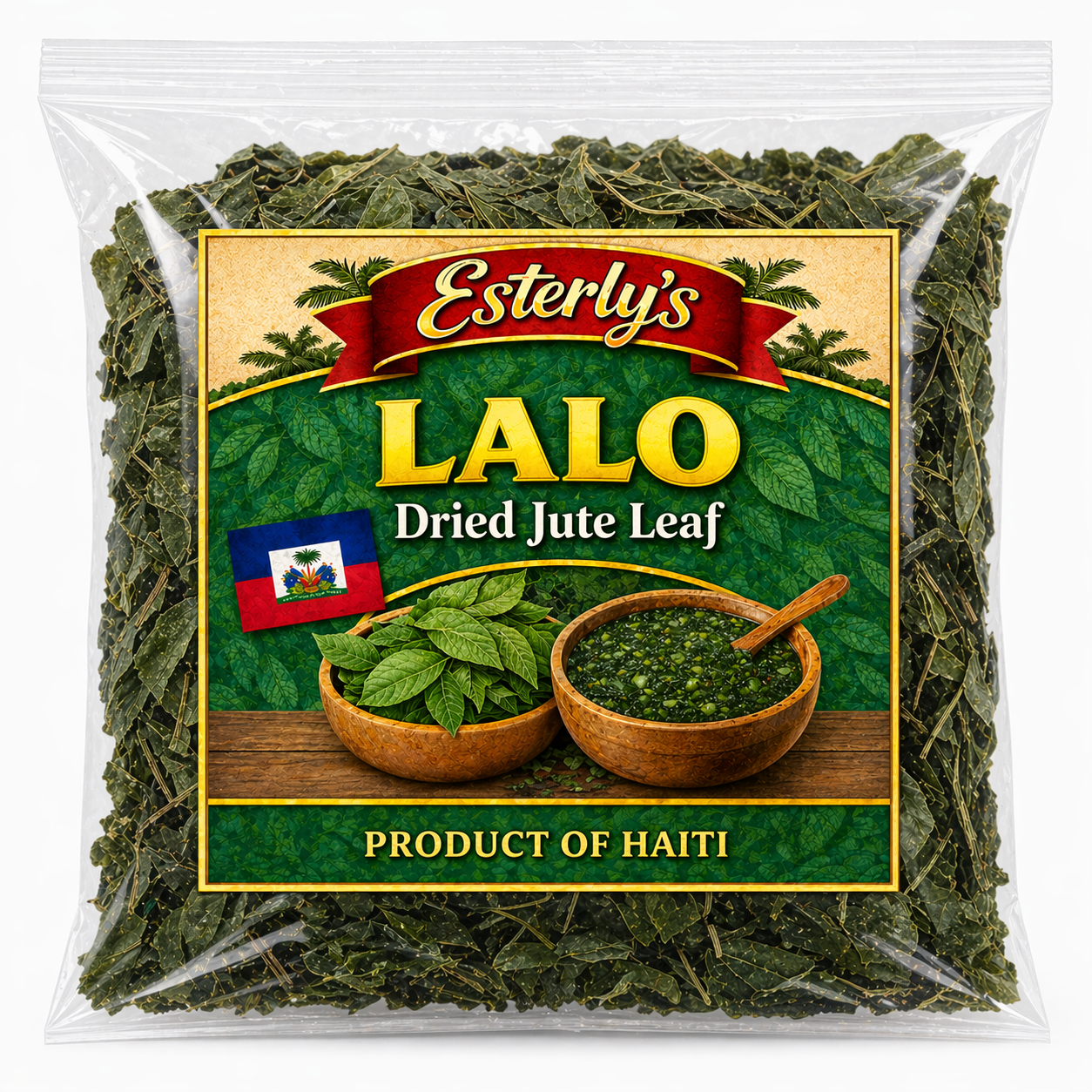
Lalo for Nutritious, Tasty Vegetables
FAQs
What is Lalo?
Lalo is a traditional Haitian dish made with jute leaves, also known as “lalo leaves.” It is often cooked with meat, seafood, and spices to create a flavorful and hearty stew.
What are the main ingredients for cooking Lalo Haitian style?
The main ingredients for cooking Lalo Haitian style include jute leaves, meat (such as beef, pork, or goat), seafood (such as fish or shrimp), onions, garlic, tomatoes, and a variety of spices such as thyme, parsley, and scotch bonnet peppers.
How is Lalo prepared?
To prepare Lalo Haitian style, the jute leaves are first washed and chopped. The meat or seafood is then seasoned and cooked with onions, garlic, and tomatoes. The jute leaves are added to the pot along with water or broth, and the stew is simmered until the flavors meld together.
What are some traditional accompaniments for Lalo?
Lalo is often served with rice and beans, fried plantains, or bread. These accompaniments complement the rich and savory flavors of the Lalo stew.
Are there any variations to the traditional Lalo recipe?
Yes, there are variations to the traditional Lalo recipe. Some cooks may add okra, eggplant, or other vegetables to the stew. Additionally, the choice of meat or seafood can vary based on personal preference or regional influences.
No responses yet