
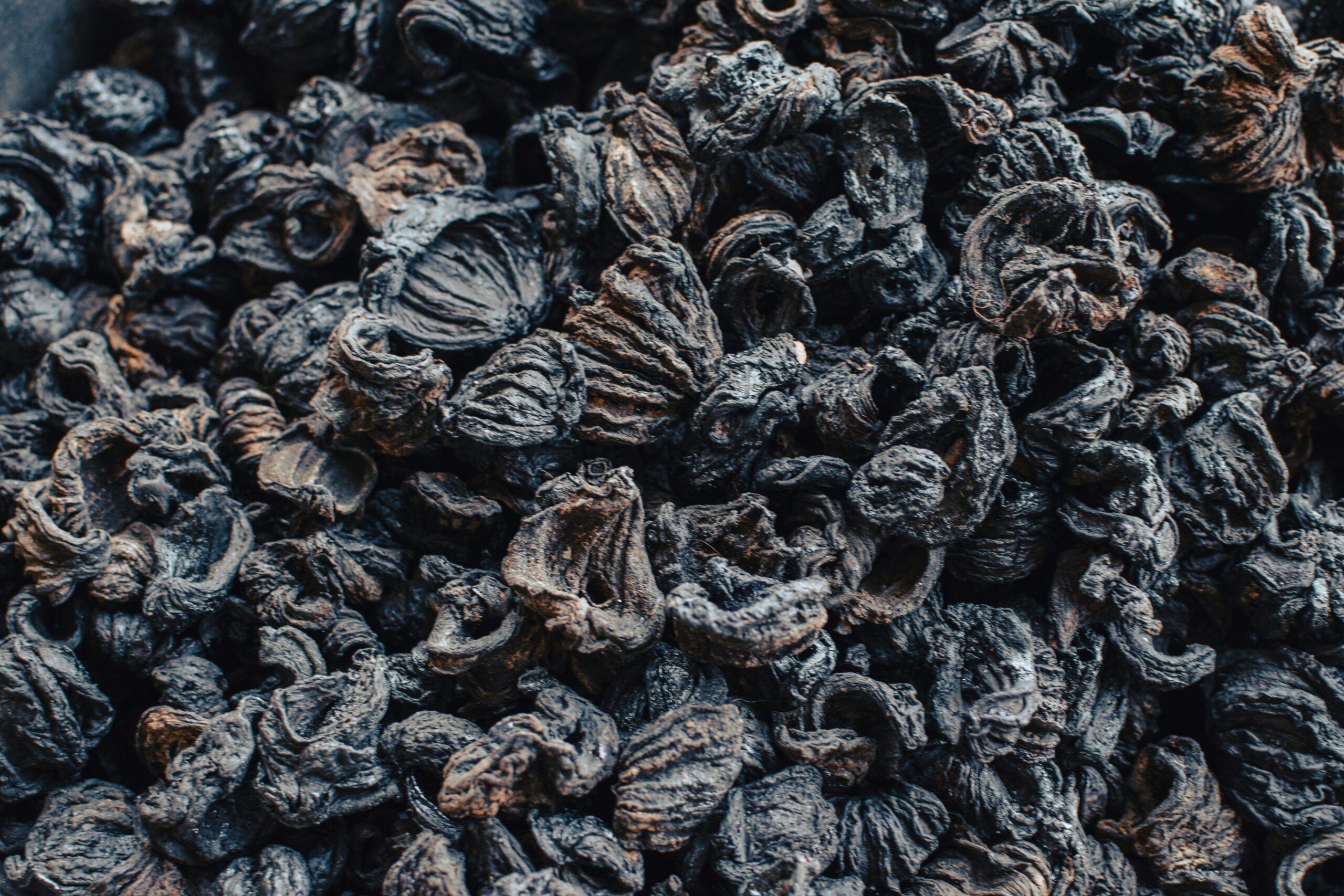
Authentic Haitian Djon Djon Rice, often called Riz Djon Djon, is a striking dish known for its unique earthy flavor and dark, almost black color. This distinctive hue comes from Haitian black mushrooms (djon djon) which are dried and then infused into the cooking liquid. It’s a staple in Haitian cuisine, often served at celebrations or as a hearty meal. Making it at home is absolutely achievable with a little patience and attention to detail. The key here is not just achieving the color, but really coaxing out the distinct flavor of the mushrooms.
Understanding Djon Djon Mushrooms
Before we dive into the cooking process, let’s talk about the star ingredient: djon djon mushrooms. These aren’t your typical button mushrooms.
What are Djon Djon Mushrooms?
Djon djon are small, thin, dried black mushrooms native to Haiti. They have an incredibly potent, earthy, almost smoky flavor that truly defines the dish. You won’t find them fresh; they are always sold dried.
Sourcing Djon Djon Mushrooms
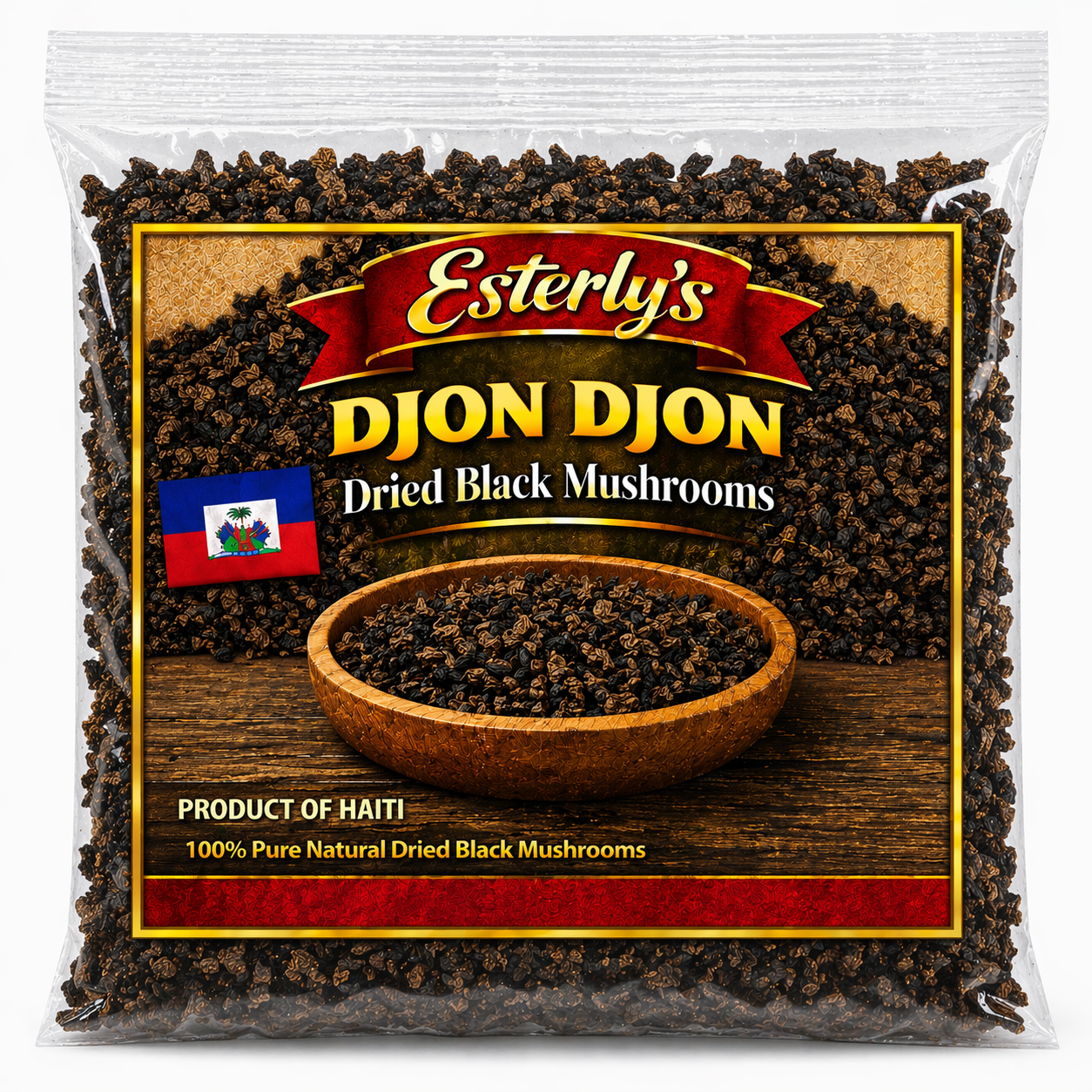
Finding djon djon can be the trickiest part outside of Haiti or areas with a large Haitian diaspora. Your best bet is an international or specialty Caribbean grocery store. Many online retailers also sell them, often under the name “Haitian black mushrooms.” Look for packages of whole dried mushrooms, not powdered, as the powder often contains other fillers.
Preparing Djon Djon for Cooking
The dried mushrooms need to be rehydrated and their flavor extracted. This process is crucial for both color and taste.
- Rinsing: Gently rinse the dried mushrooms under cool water to remove any surface dirt. They can be quite dusty.
- Steeping: Place the rinsed mushrooms in a bowl with hot (not boiling) water. Let them steep for at least 30 minutes, or even an hour. The water will gradually turn a dark, almost inky black. This is where the magic happens.
- Straining: Carefully strain the liquid through a fine-mesh sieve or a cheesecloth-lined colander. This step is vital to catch any leftover grit or mushroom bits that you don’t want in your rice. Press down on the mushrooms to extract as much liquid as possible. Discard the rehydrated mushrooms; their flavor has already been largely extracted into the liquid, and their texture isn’t great for eating in the rice.
If you’re interested in exploring more about Haitian culture and cuisine, you might find this article on nurturing your hair with Haitian black castor oil particularly enlightening. It offers insights into the traditional uses of this oil, which is not only beneficial for hair health but also deeply rooted in Haitian heritage. You can read the article here: Nurturing Your Hair with Haitian Black Castor Oil: A Guide to Healthy and Strong Tresses.
Essential Ingredients and Tools
Once you have your djon djon liquid ready, the rest of the ingredients come together fairly standard for a rice dish.
Core Ingredients
- Long-grain white rice: Basmati or jasmine rice works well. Rinse it thoroughly until the water runs clear to remove excess starch.
- Djon djon mushroom broth: The strained liquid we just discussed.
- Onion: Yellow or white, finely chopped.
- Garlic: Minced.
- Haitian Epis: This is a crucial flavor base in Haitian cooking. It’s a blend of peppers, herbs, garlic, and other aromatics. If you don’t have epis, you can substitute with a blend of bell pepper, parsley, scallions, and thyme.
- Green peas: Frozen peas are fine, added towards the end.
- Oil: Vegetable or canola oil for sautéing.
- Salt: To taste.
- Black pepper: To taste.
- Optional additions: Smoked herring (aransò), shrimp, or pieces of marinated chicken are common additions to make it a more complete meal. If using herring, it needs to be desalted and flaked.
Kitchen Tools
- Large heavy-bottomed pot with a tight-fitting lid, ideally non-stick.
- Fine-mesh sieve or cheesecloth.
- Measuring cups and spoons.
- Cutting board and knife.
Step-by-Step Cooking Process
Now, let’s get into the actual cooking. The process involves sautéing aromatics, adding rice and liquid, and then allowing it to steam.
Preparing the Aromatics
- Heat the oil: In your large pot, heat a few tablespoons of oil over medium heat.
- Sauté onion: Add the chopped onion and cook until softened and translucent, about 5-7 minutes. You don’t want it to brown much.
- Add garlic and epis: Stir in the minced garlic and epis (or your substitute blend). Cook for another 2-3 minutes until fragrant. Be careful not to burn the garlic.
Combining Rice and Liquid
- Add rinsed rice: Pour the thoroughly rinsed and drained rice into the pot with the aromatics. Stir well to coat the rice grains with the oil and seasonings. Cook for a couple of minutes, stirring occasionally. This helps toast the rice slightly and prevent it from becoming sticky.
- Introduce djon djon broth: Carefully pour in the strained djon djon broth. The amount of liquid will depend on the type of rice and how absorbent it is. A good starting ratio is 1.5 cups of liquid for every 1 cup of rice, but you might need a little more or less here due to the variable absorption of different rice types. It’s generally better to start with slightly less and add if needed.
- Seasoning: Add salt and black pepper to taste. Remember the djon djon broth itself isn’t seasoned, so adjust carefully. If using smoked herring or other salty ingredients, keep that in mind.
- Bring to a boil: Increase the heat to high and bring the liquid to a rolling boil. Stir once to ensure everything is well combined and nothing is sticking to the bottom.
Steaming the Rice
- Reduce heat and cover: Once boiling, reduce the heat to the lowest setting immediately. Stir the rice one last time, cover the pot tightly with the lid. A tight seal is essential for proper steaming. If your lid isn’t super tight, you can place a piece of foil between the pot and the lid.
- Cook without peeking: Let the rice cook undisturbed for 20-25 minutes. Do not lift the lid during this period, as it lets out steam and can affect the texture of the rice. This is the trickiest part for impatient cooks, but it’s really important.
- Add peas and optional protein (if using): After 20-25 minutes, gently lift the lid (just to peek!). If the liquid has been absorbed, quickly stir in the green peas and any optional cooked protein, like flaked smoked herring or pre-cooked shrimp. Redistribute the rice gently and cover again for another 5-10 minutes, allowing the peas to warm and the flavors to meld further.
Resting and Fluffing
- Rest: Once the cooking time is up and the liquid is absorbed, turn off the heat. Keep the pot covered and let the rice rest for another 5-10 minutes. This allows the steam to redistribute and helps the grains to become distinct and fluffy.
- Fluff: After resting, remove the lid and use a fork to gently fluff the rice. Avoid stirring vigorously, which can break the grains.
Troubleshooting Common Issues
Even experienced cooks can run into snags. Here are a few common issues and fixes.
Rice is Too Hard or Undercooked
- Problem: Not enough liquid or cooked at a temperature that was too high.
- Fix: If there’s no liquid left, add a small amount of hot water (1/4 to 1/2 cup at a time), cover, and continue cooking on low heat until absorbed and the rice is tender. If there’s still a little liquid, simply put the lid back on and let it steam a bit longer.
Rice is Mushy or Too Sticky
- Problem: Too much liquid or disturbed during cooking.
- Fix: Unfortunately, mushy rice is hard to “fix.” For future attempts, use a bit less djon djon broth. You can try to spread it out on a baking sheet to dry it out slightly in a low oven, but the texture might already be compromised. Ensure you are rinsing the rice thoroughly to remove excess starch.
Not Dark Enough Color
- Problem: Insufficient steeping of djon djon mushrooms or not enough djon djon used.
- Fix: For next time, steep the djon djon for longer or use a bit more of the dried mushrooms to create a more concentrated broth. Make sure to press out as much liquid as possible from the rehydrated mushrooms.
Lacks Flavor
- Problem: Not enough seasoning (salt, epis) or weak djon djon broth.
- Fix: Taste the djon djon broth before adding it to the rice and adjust salt. Don’t skimp on the epis or other aromatics. If it’s lacking after cooking, you can sometimes salvage it a bit by stirring in a little more salt or a dash of garlic powder, but it’s best to get it right from the start.
If you’re looking to enhance your culinary skills with authentic Haitian flavors, you might also be interested in exploring the sustainable practices behind growing essential ingredients like jute leaves. These leaves are often used in traditional Haitian dishes and can complement your Djon Djon rice beautifully. To learn more about how these ingredients are cultivated, check out this informative article on sustainable cultivation practices for growing jute leaves in Haiti.
Serving Suggestions and Variations
Djon Djon rice is incredibly versatile and pairs well with many dishes.
Traditional Pairings
- Sauce Pois (Bean Sauce): A classic pairing, often a thin black bean puree ladled over the rice.
- Poulet Frit (Fried Chicken) or Griot (Fried Pork): These fried meats are celebratory and hearty complements.
- Salad Russe (Russian Salad): A potato and vegetable salad with mayonnaise often served alongside.
- Pikliz: The spicy Haitian pickled cabbage condiment adds a welcome kick and acidity.
Variations and Additions
- Smoked Herring (Aransò): As mentioned, desalted and flaked smoked herring adds a deep umami flavor. Sauté it with the aromatics.
- Shrimp: Sautéed shrimp can be folded in at the end with the peas.
- Chicken or Pork: Small pieces of marinated and partially cooked chicken or pork can be added to the pot during the steaming phase for a one-pot meal.
- Bell Peppers: Strips of bell peppers, particularly red, yellow, or orange, can add a pop of color and sweetness. Add them along with the onions or towards the end with the peas.
Storing Leftovers
Leftover djon djon rice stores well, making it a good candidate for meal prepping.
Refrigeration
Store cooled rice in an airtight container in the refrigerator for up to 3-4 days.
Reheating
- Microwave: Reheat in the microwave, adding a tablespoon or two of water to prevent it from drying out. Cover with a damp paper towel.
- Stovetop: Reheat in a pot over low heat, adding a small splash of water and covering tightly. Steam gently until warmed through.
Making authentic Haitian djon djon rice is a rewarding experience. It takes a bit of time to prepare the mushrooms and cook the rice properly, but the unique flavor and beautiful dark color are well worth the effort. Enjoy the process and the distinctive taste of Haitian cuisine.
Djon Djon for Tasty Diri Djon Djon
FAQs
What is Djon Djon Rice?
Djon Djon rice is a traditional Haitian dish made with rice that has been cooked with dried black mushrooms called djon djon. The mushrooms give the rice a unique flavor and color, making it a popular and authentic Haitian dish.
What are the key ingredients for cooking Djon Djon Rice?
The key ingredients for cooking Djon Djon rice include dried black mushrooms (djon djon), long-grain white rice, garlic, thyme, scallions, vegetable oil, and salt. Some recipes may also include pigeon peas or other vegetables for added flavor and texture.
How do you prepare the djon djon mushrooms for cooking?
To prepare the djon djon mushrooms for cooking, they need to be soaked in hot water for at least 30 minutes to rehydrate them. After soaking, the mushrooms are strained and the soaking liquid is reserved to be used as a flavorful broth for cooking the rice.
What is the traditional method for cooking Djon Djon Rice?
The traditional method for cooking Djon Djon rice involves sautéing garlic, thyme, and scallions in vegetable oil, then adding the soaked djon djon mushrooms and rice to the pot. The reserved mushroom soaking liquid is then added to the pot, and the rice is cooked until tender and infused with the flavors of the mushrooms.
What are some tips for making authentic Djon Djon Rice?
Some tips for making authentic Djon Djon rice include using long-grain white rice for the best texture, allowing the rice to steam after cooking to ensure it is fluffy and not sticky, and adjusting the seasoning to taste with salt and pepper. Additionally, some cooks may choose to add pigeon peas or other vegetables for added flavor and nutrition.
No responses yet