
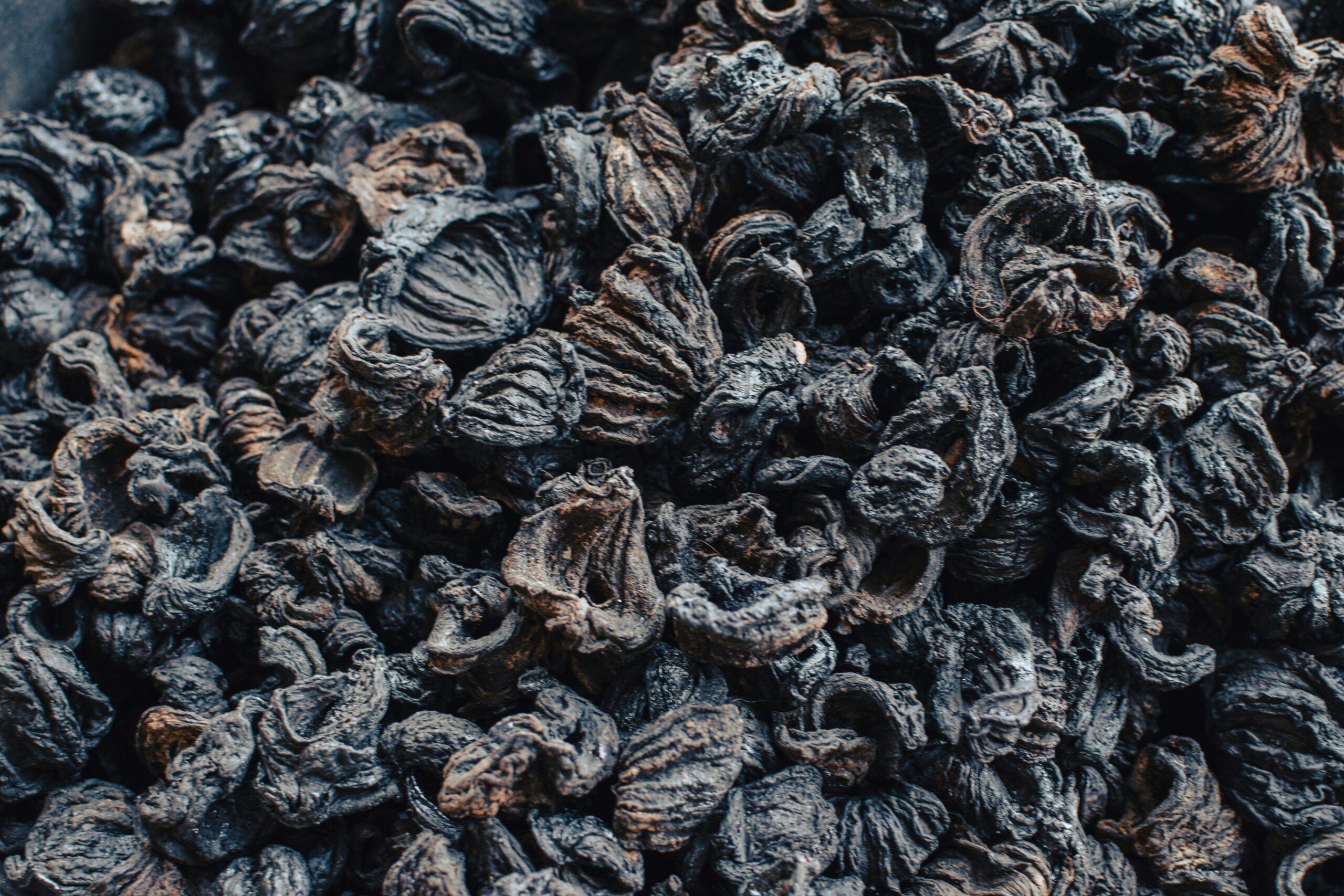
How to Cook Authentic Haitian Djon Djon Rice (Step-by-Step)
Authentic Haitian Djon Djon Rice, often called Riz Djon Djon, is a striking dish known for its unique earthy flavor and dark, almost black color.[…]
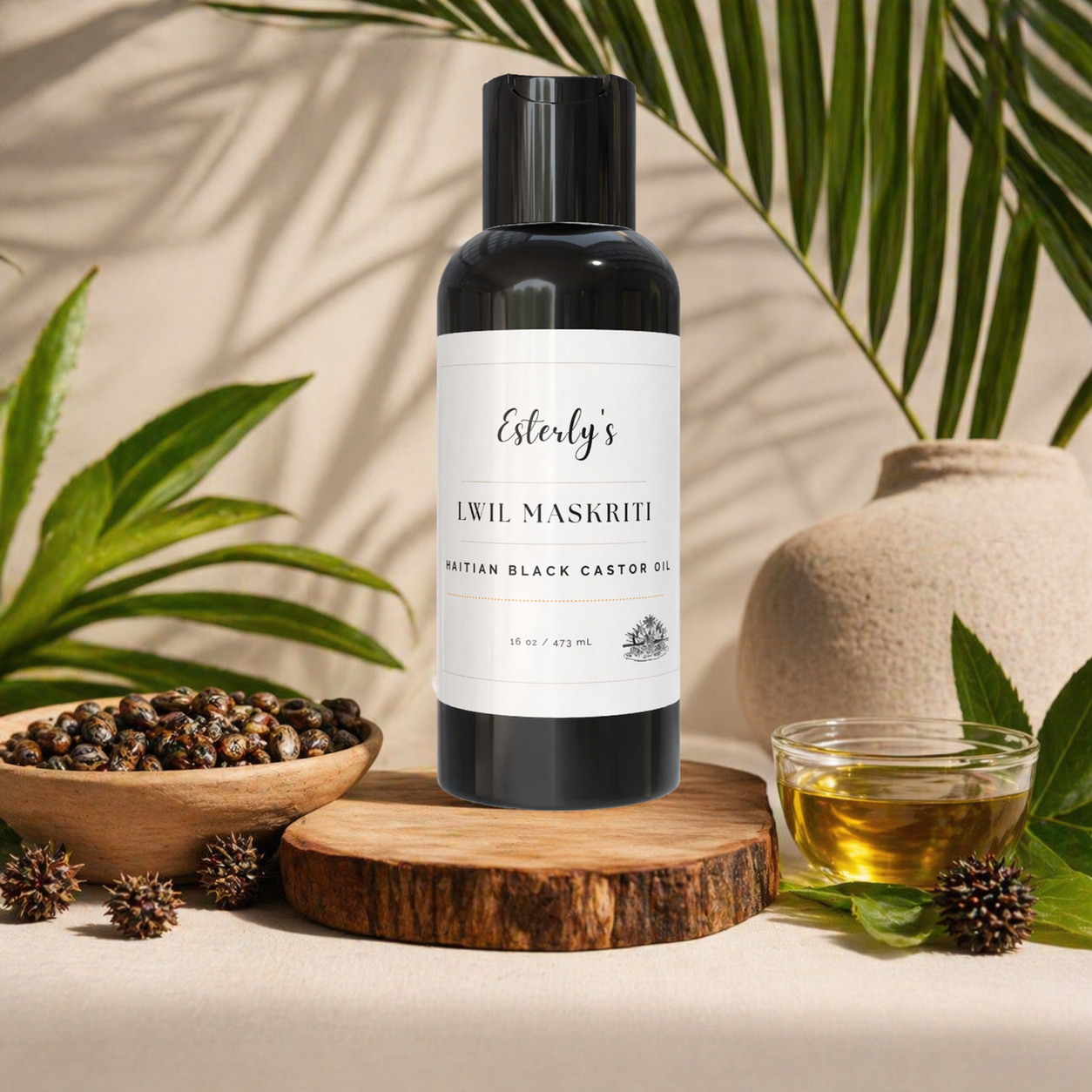
Haitian Black Castor Oil: The Ultimate Hair Growth Solution
Haitian Black Castor Oil, often referred to as HCBO, has gained some real traction as a potential hair growth solution. Many users report seeing improvements[…]

The Artisanal Roasting Techniques of Haitian Coffee Roasters
The Ideal Growing Conditions The rich volcanic soil and tropical climate of Haiti play a crucial role in shaping the flavor profile of Haitian coffee.[…]

Unlocking Healthy Locks: Hair Care Secrets with Haitian Black Castor Oil
Haitian Black Castor Oil is a natural oil extracted from the seeds of the castor plant (Ricinus communis). It is produced through a traditional method[…]

Sustainable Cultivation Practices for Growing Jute Leaves in Haiti
Jute leaves, also known as saluyot, molokhia, or ewedu, are a leafy green vegetable that is widely consumed in many parts of the world, particularly[…]

Sustainable Farming Practices in Haiti’s Coffee Industry
Haitian coffee beans are renowned for their unique and distinctive characteristics, which set them apart from other coffee varieties around the world. The country’s diverse[…]

Unlocking the Secrets of Haitian Black Castor Oil: Traditional Extraction Methods
Haitian Black Castor Oil, also known as Lwil Maskriti, is a traditional oil that has been used for centuries in Haiti for its various health[…]
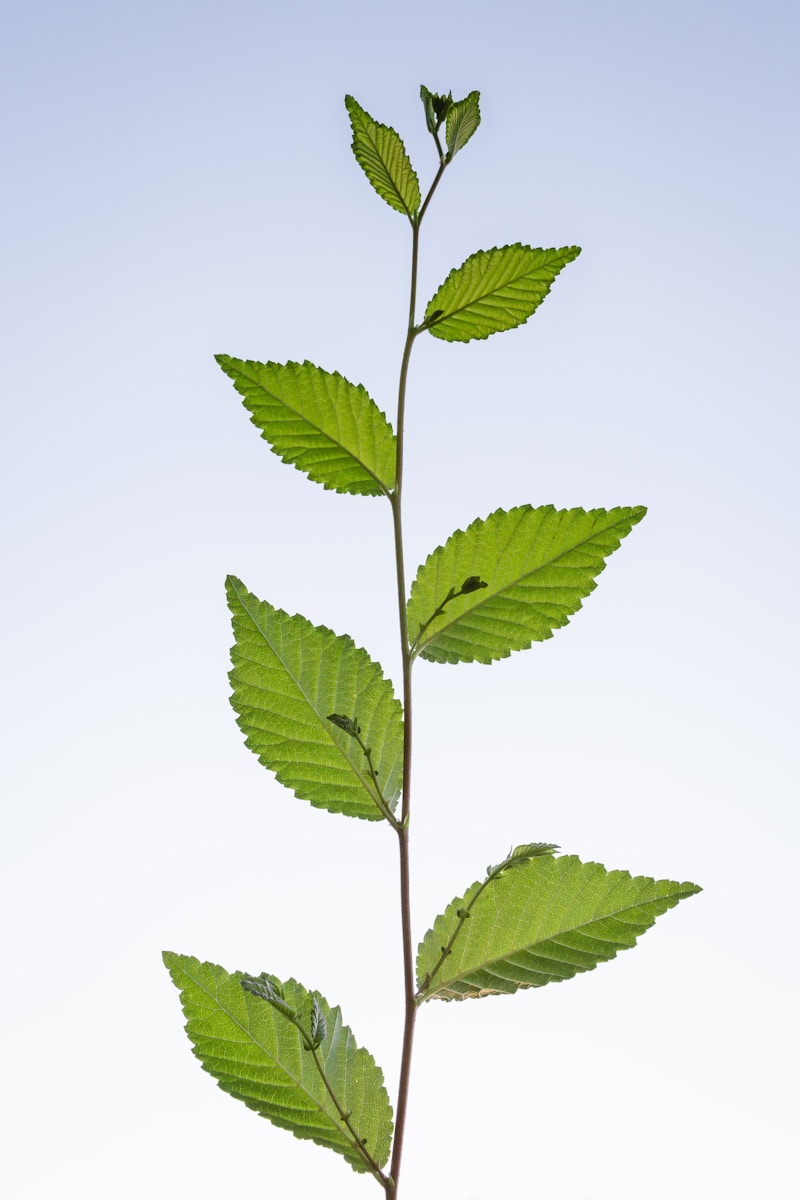
Culinary Delights: Incorporating Jute Leaves into Haitian Cuisine
Jute leaves, known as lalo in Haitian Creole, are a staple in Haitian cuisine and are an essential ingredient in many traditional dishes. These dark[…]

Exploring the Unique Flavor Profiles of Haitian Coffee Beans
The terroir of Haitian coffee is one of the key factors that contribute to its exceptional quality and flavor. The mountainous terrain, rich soil, and[…]

Haitian Black Castor Oil vs Regular Castor Oil: Uncovering the Superior Benefits
Haitian Black Castor Oil is a natural oil derived from the castor bean plant, scientifically known as Ricinus communis. This unique oil is made using[…]