
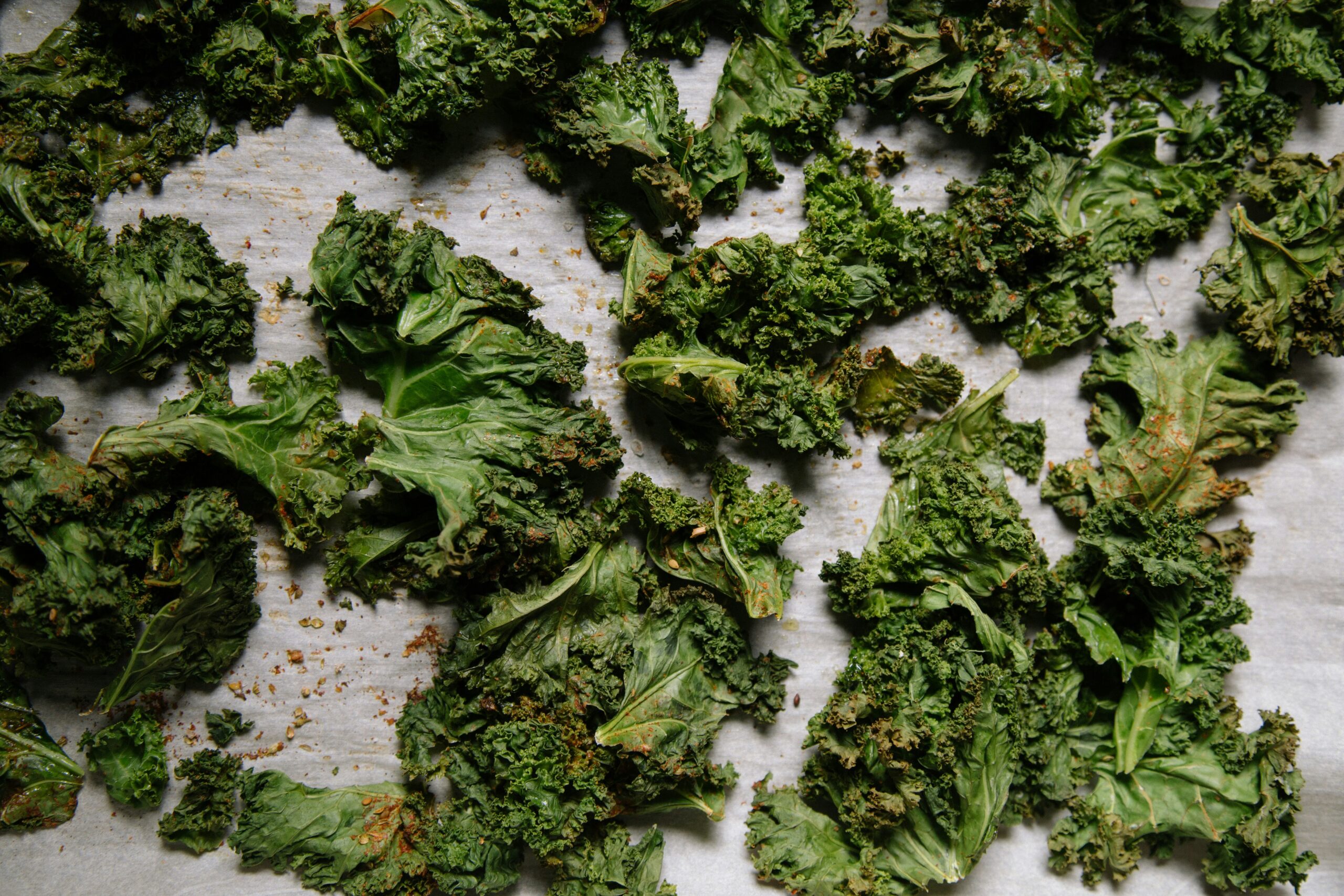
So you’re looking to make some Haitian Lalo with Crab, the traditional way? Good choice! This isn’t your everyday weeknight meal; it’s a dish that sings of Haitian culture, a rich and hearty stew that’s perfect for a special occasion or when you’re craving something truly authentic. The heart of this dish lies in the lalo – jute leaves – cooked down with a flavorful sauce and, of course, the star of the show, crab. While it might seem a bit daunting with all the ingredients and steps, trust me, it’s worth every bit of effort. We’re going to break it down, step by step, so you can achieve that genuine taste right in your own kitchen.
Getting the right ingredients is half the battle when making a traditional dish. For Lalo, there are a few non-negotiables that you’ll want to hunt down to truly capture its essence.
Finding Fresh Lalo (Jute Leaves)
The lalo itself is paramount. These are jute leaves, and while fresh is always best, they can be a bit tricky to find outside of Caribbean or African specialty stores.
- Fresh is Best: If you’re lucky enough to live near a market that caters to Caribbean or African communities, keep an eye out for fresh jute leaves. They’ll be vibrant green and delicate. Handle them with care as they bruise easily.
- Frozen Alternatives: Don’t despair if fresh isn’t an option. Many of these specialty stores also carry frozen lalo. It usually comes in pre-chopped blocks or bags. Thaw it completely before using and give it a good squeeze to remove excess water.
- Dried Lalo (Last Resort): While not ideal for this specific preparation with crab, dried lalo is also available. It requires a lot of rehydration and might not yield the same tender texture. For this specific recipe, I’d strongly recommend fresh or frozen.
Choosing Your Crab
The type of crab you use significantly impacts the flavor. Traditionally, land crabs are used in Haiti, but those are extremely difficult to find elsewhere.
- Blue Crabs: These are probably your best bet for a similar taste profile. They’re available in many coastal regions and contribute a sweet, delicate flavor. You’ll want to clean them thoroughly.
- Dungeness, Stone, or Snow Crab (Legs): While not traditional whole crabs, the meat from these can work well. If using whole crabs, try to get smaller ones. The aim is for the crab to break down and infuse the sauce. If using legs, you’ll need to adjust the cooking time as they’ll primarily be added for flavor and then the meat extracted.
- Pre-Cooked vs. Live: Live crabs offer the freshest flavor, but if you’re not comfortable cleaning them yourself, pre-cooked whole crabs can be a good compromise. Just be aware that their flavor might be slightly less intense.
Essential Haitian Staples
Beyond the lalo and crab, there are a few other critical components that tie everything together.
- Epis: This is the cornerstone of Haitian cooking, a flavorful blend of peppers, garlic, herbs, and sometimes other aromatics. You can make it fresh (recommended!) or buy it pre-made from specialty stores. Don’t skip this.
- Akasan (Cornmeal): A crucial ingredient for thickening and providing a distinct texture. Look for fine white cornmeal, not coarse polenta.
- Palm Oil (Lwil Palmis): This gives the dish its characteristic orange hue and a unique, deep flavor. It’s usually available in African or Caribbean stores. If you absolutely can’t find it, a mixture of vegetable oil and a tiny bit of annatto oil (achiote oil) can work in a pinch for color, but the flavor won’t be quite the same.
- Konpoze (Haitian Seasoning Cube – Optional but common): Many Haitian cooks use these, which are packed with flavor. If you find them, they can add an extra layer of complexity. Use sparingly as they are quite salty.
If you’re interested in exploring more about traditional Haitian cuisine, you might find the article on the FAQs page of Esterly’s Market particularly helpful. It provides insights into various Haitian dishes, cooking techniques, and ingredient selections that can enhance your culinary journey. Check it out here: Esterly’s Market FAQs.
Getting Your Workstation Ready: Mise en Place
Before you even think about turning on the stove, proper preparation is key. This dish has a few different stages, and having everything ready will make the process much smoother and enjoyable.
Preparing the Lalo
This step is crucial for achieving the right texture and removing any bitterness.
- Washing Fresh Lalo: If using fresh lalo, wash it thoroughly multiple times under cold running water. It can be sandy.
- Chopping Fresh Lalo: Remove any large, tough stems. Stack the leaves and chop them finely, almost like spinach. The finer you chop them, the more tender the final dish will be.
- “Beating” the Lalo (Traditional Method): This is where it gets interesting and truly traditional. Place your chopped lalo in a large, sturdy bowl. Add a tablespoon or two of salt. Now, with a sturdy spoon or a clean, blunt object (traditionally a small wooden mallet or even a clean stone), you “beat” the lalo for about 5-10 minutes. This breaks down the fibers and helps to release the natural mucilage, which is essential for the lalo’s unique texture and also helps to remove a good portion of its bitterness. It’s a bit of a workout!
- Rinsing the “Beaten” Lalo: After beating, rinse the lalo thoroughly under cold running water, squeezing out as much liquid as possible between each rinse. You’ll notice the water getting less green and possibly a little less “slimy.” Do this about 3-4 times, until the water runs relatively clear. This step is vital for removing bitterness and excess mucilage.
- Thawing and Squeezing Frozen Lalo: If using frozen, thaw it completely. Place it in a colander and press out as much water as you can. Then, follow the “beating” and rinsing steps as described above, though you might find it requires less beating since it’s already somewhat softened.
Cleaning and Preparing the Crab
This can be intimidating for some, but it’s a necessary step for whole crabs.
- Humanely Killing (if live): If you have live crabs, the most humane way to kill them is to place them in the freezer for about 20-30 minutes to make them dormant, or to quickly dispatch them by driving a sharp spike through the central part of their underside, behind the eyes.
- Removing Carapace and Gills: Gently pry off the top shell (carapace). You’ll see feathery gray gills on either side – these are inedible and need to be removed.
- Removing Mouthparts and Intestines: Scrape away any greenish matter (sometimes called “crab butter,” but not desirable for this dish) from the body cavity. Remove the mouthparts and the sand sac.
- Rinsing: Rinse the cleaned crab thoroughly under cold running water.
- Cracking (Optional but helpful): For larger crabs, you can crack the claws with a mallet or nutcracker to allow the flavors to penetrate better during cooking. You can also half or quarter the body if it’s very large.
Prepping Other Aromatics
Chop everything else before you start cooking – it saves a lot of hassle.
- Onions, Peppers, Tomatoes: Dice these finely.
- Garlic: Mince or press your garlic.
- Herbs: Chop your parsley and thyme. If using fresh thyme, strip the leaves from the woody stems.
- Epis: Make sure your epis is ready to go. If you’re making it from scratch, do that first.
The Heart of the Matter: Cooking the Lalo

This is where all the components come together to create that rich, savory stew. Patience is important here; don’t rush the simmering.
Building the Flavor Base
This initial stage sets the tone for the entire dish.
- Sautéing Aromatics: Heat your palm oil (or alternative) in a large, heavy-bottomed pot or Dutch oven over medium heat. Add your diced onions, bell peppers, and garlic. Sauté until softened, about 5-7 minutes.
- Adding Epis and Tomatoes: Stir in a generous amount of your epis (2-3 tablespoons, or more to taste). Cook for another 2-3 minutes until fragrant. Add your diced tomatoes and cook until they start to break down and release their juices, about 5 minutes.
- Seasoning the Base: Add a pinch of salt, black pepper, a bay leaf, and any bouillon cubes (konpoze) if you’re using them. Stir well.
Introducing the Crab and Lalo
Now for the stars of the show!
- Browning the Crab (Optional but recommended): If you like a deeper flavor, you can briefly add your cleaned crab pieces (especially if they are smaller and whole) to the pot at this stage and brown them for a few minutes on each side. This helps develop flavor. If using crab legs, you can add them directly. Remove the crab for a moment if you’re worried about overcooking, especially if using delicate blue crab.
- Adding the Lalo: Add the thoroughly rinsed and squeezed lalo to the pot. It will seem like a lot, but it will cook down significantly. Stir it into the aromatic base.
- Initial Simmer: Add about 2-3 cups of water or unsalted chicken broth. Bring it to a simmer, then reduce the heat to low, cover the pot, and let it cook for at least 30-45 minutes. The lalo needs time to become tender. Stir occasionally to prevent sticking.
Integrating the Crab Back In and Thickening
The flavors are marrying, and now we bring back the crab and thicken.
- Re-adding Crab: If you removed the crab, add it back to the pot now.
- The Akasan Slurry: In a small bowl, whisk together about 1/4 – 1/2 cup of fine white cornmeal (akasan) with about 1 cup of cold water until smooth. Ensure there are no lumps.
- Thickening the Stew: Slowly pour the cornmeal slurry into the simmering lalo stew, stirring constantly. Continue to stir until the stew thickens to your desired consistency. It should be rich and coating, not watery. The cornmeal will also need time to cook, so continue simmering for another 15-20 minutes, stirring frequently to prevent sticking, and adjusting the consistency with more hot water or broth if it gets too thick.
- Adjusting Seasoning: Taste the stew. This is your chance to adjust the salt, pepper, and any other seasonings. You might want a pinch of cayenne pepper for a subtle kick. Add a squeeze of lime juice at the end if you like a little brightness.
The Final Touches and Serving Suggestions

You’re almost there! A few last steps and then it’s time to enjoy your masterpiece.
Ensuring Perfection
- Don’t Rush the Simmer: The longer the lalo simmers, the more tender it becomes and the more the flavors meld. A total simmer time of 1.5 to 2 hours is ideal. The crab will also impart all its deliciousness.
- Checking Crab Doneness: The crab should be fully cooked and its meat easily pulls from the shell. Be gentle when stirring so as not to completely break it apart, but it’s okay if some of the meat shreds into the stew – that’s part of the rustic charm.
- A Final Taste: Before serving, always do one last taste and adjust any seasonings. A little more salt, pepper, or another dash of epis can make all the difference.
Traditional Accompaniments
Lalo with Crab is a hearty meal on its own, but it’s almost always served with specific accompaniments in Haiti.
- White Rice: This is the classic pairing. Fluffy white rice provides a neutral canvas for the rich and flavorful lalo.
- Fried Plantains (Banann Peze): Crispy, savory fried plantains are an excellent side, adding a textural contrast and a hint of sweetness.
- Pikliz: This spicy, pickled cabbage and carrot relish is a must-have for a true Haitian experience. Its tang and heat cut through the richness of the lalo beautifully. Serve it on the side so people can add it to their taste.
- Hard-Boiled Eggs: Sometimes, hard-boiled eggs cut in half are added to the stew just before serving or served alongside. This adds another layer of protein and visual appeal.
If you’re interested in exploring more about Haitian culture while preparing your delicious Haitian Lalo with Crab using the traditional method, you might want to check out this insightful article on the significance of the colors of the Haitian flag. Understanding the history and meaning behind the flag can deepen your appreciation for the rich heritage that accompanies the flavors of Haitian cuisine. You can read more about it here.
Troubleshooting Common Lalo Challenges
| Ingredients | Quantity |
|---|---|
| Lalo leaves | 1 lb |
| Crab | 2 lbs |
| Spinach | 1 bunch |
| Onion | 1 medium |
| Garlic | 3 cloves |
| Thyme | 1 tsp |
| Scotch bonnet pepper | 1 |
| Vegetable oil | 2 tbsp |
| Salt | To taste |
| Water | 3 cups |
Even experienced cooks can run into issues. Here are a few common ones and how to tackle them.
Too Bitter?
- Insufficient Beating/Rinsing: This is the most common reason. The vigorous “beating” and thorough rinsing are paramount for removing bitterness and some of the mucilage. Next time, spend more time on this step.
- Adding Acidity: A squeeze of fresh lime or lemon juice right at the end can help balance out any lingering bitterness.
- Sugar (Last Resort): Very rarely, a tiny pinch of sugar can help, but it’s usually not needed if the lalo is prepped correctly.
Too Slimy?
- Rinsing Again: The “slimy” texture is natural for jute leaves (it’s their mucilage). However, excessive sliminess usually means it wasn’t rinsed enough after beating.
- Cooking Time: Extended cooking can also help break down some of that mucilage. Let it simmer longer.
- More Akasan: A little more cornmeal can also absorb some of the liquid and thicken the stew, making the sliminess less noticeable.
Not Flavorful Enough?
- More Epis: Don’t be shy with the epis! It’s the soul of the dish.
- Salt: Make sure you’ve seasoned adequately at different stages.
- Bouillon/Konpoze: If you’re not using it, consider adding a little for a deeper, umami punch.
- Simmer Time: Flavors deepen with longer, slower cooking.
Making Haitian Lalo with Crab is a journey, and every time you make it, you’ll learn something new. Don’t be afraid to experiment with the seasoning to truly make it your own, while still respecting the traditional process. It’s a dish that brings people together and showcases the rich culinary heritage of Haiti. Enjoy the process, and savor every delicious bite!
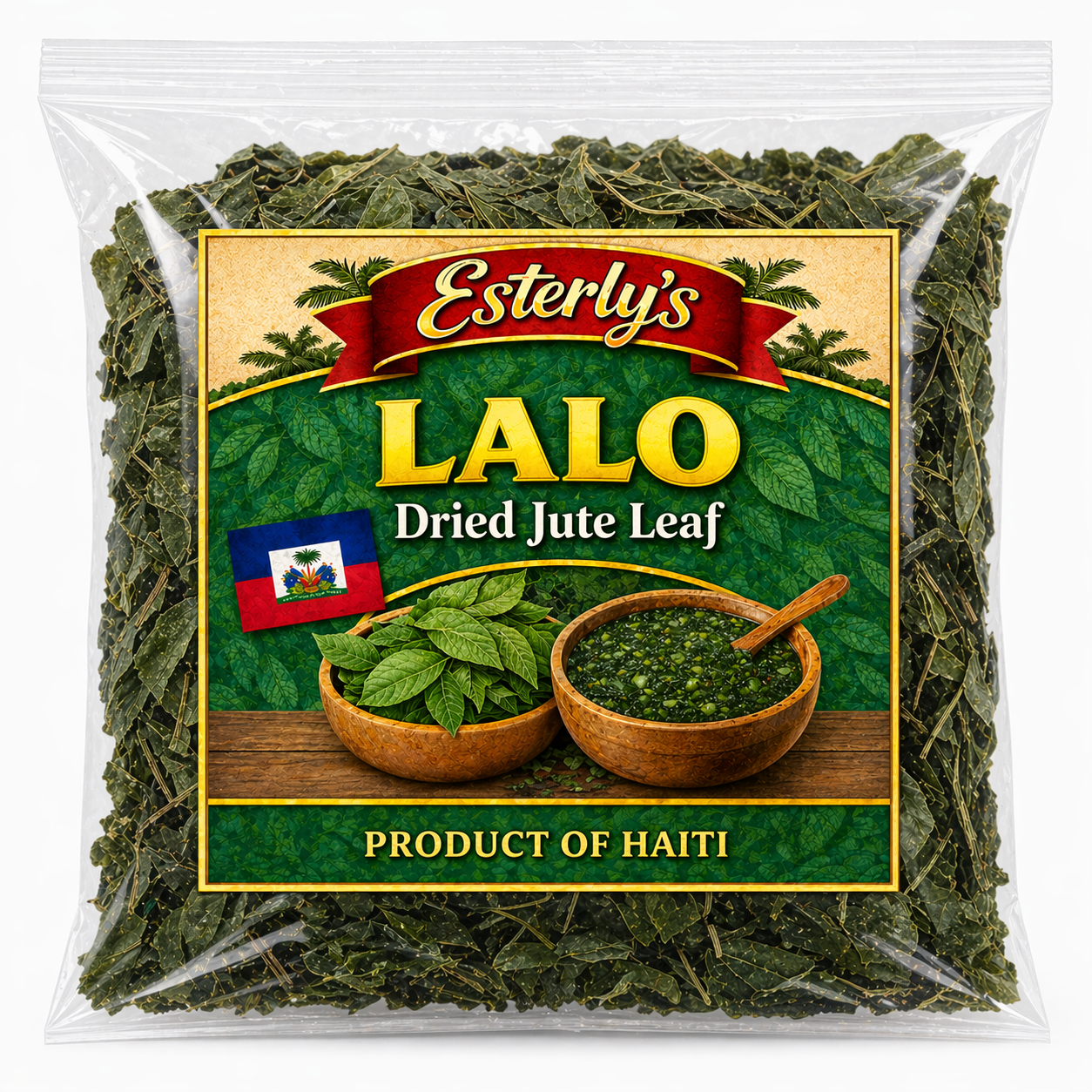
Lalo for Nutritious, Tasty Vegetables
FAQs
What is Haitian Lalo?
Haitian Lalo is a traditional Haitian dish made with jute leaves, also known as Lalo leaves, and often includes crab or other meats. It is a popular and nutritious dish in Haitian cuisine.
What are the main ingredients for making Haitian Lalo with crab?
The main ingredients for making Haitian Lalo with crab include jute leaves (Lalo leaves), crab, onions, garlic, tomatoes, hot peppers, and various spices such as thyme, parsley, and bouillon cubes.
How is Haitian Lalo with crab traditionally prepared?
To make Haitian Lalo with crab using the traditional method, the jute leaves are first washed and then cooked with the crab and seasonings in a large pot. The dish is typically simmered for a few hours to allow the flavors to meld together.
What are the nutritional benefits of Haitian Lalo with crab?
Haitian Lalo with crab is a nutritious dish that is high in protein, fiber, and various vitamins and minerals. Jute leaves are rich in antioxidants, vitamins A and C, and iron, while crab provides a good source of lean protein.
What are some common accompaniments for Haitian Lalo with crab?
Haitian Lalo with crab is often served with white rice, fried plantains, or bread on the side. Some people also enjoy it with a side of pikliz, a spicy Haitian condiment made with pickled vegetables.
No responses yet