
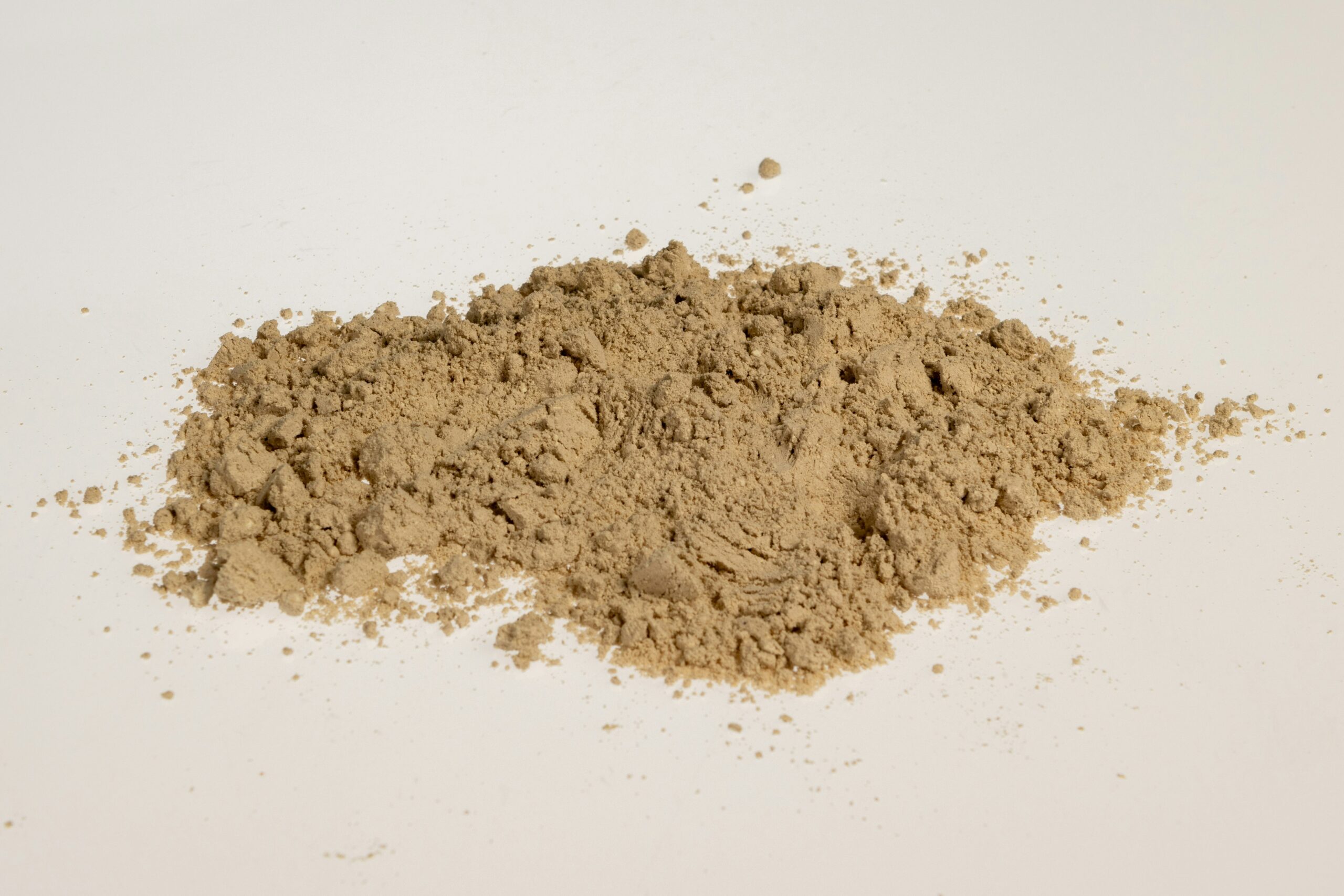
If you’ve heard about Haitian clay, often called ‘Bon Bon Te,’ you might be wondering what exactly it’s used for in daily life. Simply put, Bon Bon Te is a type of edible clay that holds a place in Haitian culture for a variety of purposes, both nutritional and medicinal. It’s not just a curiosity; it’s a practical part of many people’s routines, primarily consumed as a supplement or for addressing certain health concerns.
Understanding how Bon Bon Te is made gives you a better idea of its traditional context. It’s not something that’s just dug up and eaten as-is.
Sourcing the Clay
The journey of Bon Bon Te begins with its extraction from specific clay deposits found throughout Haiti, particularly in the central plateau region. These deposits are known for their particular mineral composition, which is what makes certain clays suitable for consumption. Local knowledge guides the selection process, passed down through generations, ensuring that only the right types of clay are harvested.
Preparation for Consumption
Once extracted, the clay undergoes a preparation process. It’s typically cleaned and then mixed with water to form a pliable paste. This paste is then molded into various shapes, often small disks, squares, or small, round ‘bonbons’ – hence the name. Sometimes, a pinch of salt or a touch of vegetable shortening is added to the mixture. These additions are not just for flavor; they can also aid in the clay’s texture and moldability.
Drying and Hardening
The shaped clay pieces are then laid out to dry, usually under the sun. This drying process is crucial. It removes moisture, hardens the clay, and prepares it for storage and consumption. The sun’s natural heat is an effective and traditional method that doesn’t require complex technology, making it accessible to local communities. The final product is a hard, often chalky tablet or chunk, ready for use.
In exploring the traditional uses of Haitian clay, known as Bon Bon Te, it is fascinating to consider its cultural significance in daily life. This natural resource has been utilized not only for pottery and cooking but also in various rituals and healing practices. For those interested in the culinary applications of traditional ingredients, a related article on creative hot chocolate recipes can be found at Esterly’s Market, which highlights how spices can enhance the flavors of traditional beverages, echoing the rich heritage of Haitian culinary practices.
Dietary Supplementation
One of the primary traditional uses of Bon Bon Te centers around its role as a dietary supplement, particularly for its mineral content.
Addressing Mineral Deficiencies
Haitian clay is believed to offer a range of minerals that might be lacking in the typical diet. These can include calcium, iron, magnesium, and potassium, among others. In regions where access to a diverse diet can be challenging due to economic constraints or limited food availability, Bon Bon Te provides a readily accessible source of these essential micronutrients. While not a complete nutritional solution, it can contribute to addressing certain deficiencies.
Supporting Bone Health
The presence of calcium in Bon Bon Te makes it a traditional choice for supporting bone health. Pregnant women and children, in particular, are often encouraged to consume adequate calcium for bone development and strength. The anecdotal evidence points to generations of use with this intention, though scientific studies specifically on Bon Bon Te’s calcium bioavailability are limited.
Iron Intake for Anemia
Iron deficiency anemia is a common health issue globally, and Haiti is no exception. Clay, especially certain types, contains iron. Bon Bon Te is traditionally consumed by individuals experiencing symptoms of anemia, with the belief that it helps to increase iron levels in the body. It’s important to note that while clay can contain iron, the body’s ability to absorb iron from clay can vary significantly.
Alleviating Digestive Issues

Beyond its perceived nutritional benefits, Bon Bon Te also features prominently in traditional remedies for various digestive complaints.
Soothing Upset Stomachs
When someone experiences an upset stomach, mild indigestion, or heartburn, a small piece of Bon Bon Te might be consumed. The clay is thought to act as an antacid, neutralizing excess stomach acid and providing a protective lining to the stomach and intestinal walls. This mechanism is similar to how common over-the-counter antacids work, creating a barrier and absorbing toxins.
Managing Diarrhea
Another traditional use involves consuming Bon Bon Te to help manage episodes of diarrhea. The clay is believed to absorb toxins and bacteria in the digestive tract, firming up stools and reducing the frequency of bowel movements. This absorbent property is a key reason for its use in such situations, offering a simple and accessible remedy.
Detoxification Beliefs
There’s a common belief that Bon Bon Te can help detoxify the body by absorbing harmful substances. This idea extends to the digestive system, where it’s thought to bind to heavy metals, pesticides, or other environmental toxins ingested with food or water. While the human body has its own detoxification systems, the clay is seen as a complementary aid in this process. People often consume it as a general ‘cleanse’ or when they feel they have been exposed to something undesirable.
Pregnancy and Maternal Health

Bon Bon Te holds a particular significance for pregnant women in Haiti, being integrated into traditional maternal health practices.
Curbing Nausea and Morning Sickness
Many pregnant women experience nausea and morning sickness, especially during the first trimester. Bon Bon Te is traditionally consumed to help alleviate these symptoms. The earthy taste and texture are thought to have a calming effect on the stomach, and its potential to absorb excess stomach acid might contribute to reducing feelings of sickness. It offers a relief mechanism for a common and often debilitating aspect of pregnancy.
Addressing Pica Cravings
Pica, the craving and consumption of non-food items, is a phenomenon sometimes observed during pregnancy. Clay consumption, specifically geophagia, is a known form of pica. For pregnant women who crave earth or clay, Bon Bon Te offers a culturally accepted and traditionally prepared option. This addresses the craving while also potentially providing some minerals thought to be beneficial during this critical period.
Supporting Fetal Development
Beyond addressing maternal comfort, there’s a belief that Bon Bon Te contributes to the healthy development of the fetus. This ties back to its perceived mineral content. The consumption is often seen as a way to provide essential nutrients that might be vital for the growing baby, reinforcing the idea of a healthy foundation from the inside out. This makes it a proactive measure for maternal well-being and fetal health.
In exploring the traditional uses of Haitian clay, known as Bon Bon Te, one can gain insight into its significance in daily life, from pottery to medicinal applications. For a deeper understanding of how this unique clay is integrated into various cultural practices, you might find the article on the cultural significance of Haitian materials particularly enlightening. This resource highlights the diverse roles that natural resources play in shaping the identity and traditions of Haitian communities.
Addressing Skin Conditions
| Traditional Uses of Haitian Clay (Bon Bon Te) in Daily Life |
|---|
| 1. Making pottery for cooking and serving food |
| 2. Creating decorative items such as vases and figurines |
| 3. Using clay for natural skincare and beauty treatments |
| 4. Building traditional ovens and stoves |
| 5. Crafting clay beads and jewelry |
While primary uses of Bon Bon Te are internal, it also features in external applications, particularly for various skin ailments.
Localized Ailment Treatment
For minor skin irritations, insect bites, or rashes, a paste made from Bon Bon Te and water can be applied directly to the affected area. The clay is thought to draw out impurities, reduce inflammation, and soothe the skin. Its absorbent properties are believed to help dry out weeping wounds or reduce swelling from bites, providing a practical, accessible way to manage minor skin issues without relying on purchased topical creams.
Drawing Out Splinters and Impurities
A common traditional application involves using the clay paste to help draw out splinters, thorns, or other foreign bodies embedded in the skin. The paste is applied, allowed to dry, and then carefully removed. The theory is that as the clay dries, it exerts a gentle pulling force, aiding in the extraction of the small embedded objects. This method has been passed down as a simple method for minor wound care.
Minor Wound Care
For superficial cuts or scrapes, a thin layer of Bon Bon Te paste can be applied. It’s believed to protect the wound, absorb exudates, and promote healing by keeping the area clean and reducing the risk of infection. While not a substitute for modern antiseptics or wound dressings, it represents a traditional approach to managing minor skin injuries in areas with limited access to extensive medical supplies.
Cultural Significance and Accessibility
Beyond its specific applications, Bon Bon Te holds broader cultural importance and remains widely accessible.
A Staple in Local Markets
Bon Bon Te isn’t a niche product; it’s a common sight in local markets throughout Haiti. Vendors sell it alongside produce and other daily necessities, making it readily available to anyone who needs it. This widespread availability underscores its integral role in daily life and its status as a consistently sought-after item. Its presence is a testament to its enduring cultural relevance and demand.
Intergenerational Knowledge Transfer
The knowledge surrounding Bon Bon Te – how it’s harvested, prepared, and used – is typically passed down through generations. Grandmothers teach granddaughters; mothers instruct their daughters. This oral tradition ensures that the practices and understanding surrounding the clay remain alive within communities, preserving its place in traditional Haitian healthcare and daily routines. This isn’t something learned from a book; it’s learned through observation and practice.
Economic Accessibility
For many Haitians, economic factors heavily influence choices in healthcare and diet. Bon Bon Te is generally inexpensive, making it an accessible option for people across different economic strata. This affordability is a significant reason it remains a popular choice for nutritional supplementation and addressing minor health concerns, especially where other options might be financially out of reach. It offers a practical solution within everyday economic realities.
In summary, Bon Bon Te is more than just clay; it’s a living tradition that addresses various daily needs in Haitian households. From perceived nutritional gaps to immediate digestive comfort and even supporting maternal health, its role is diverse and deeply woven into the fabric of daily life.
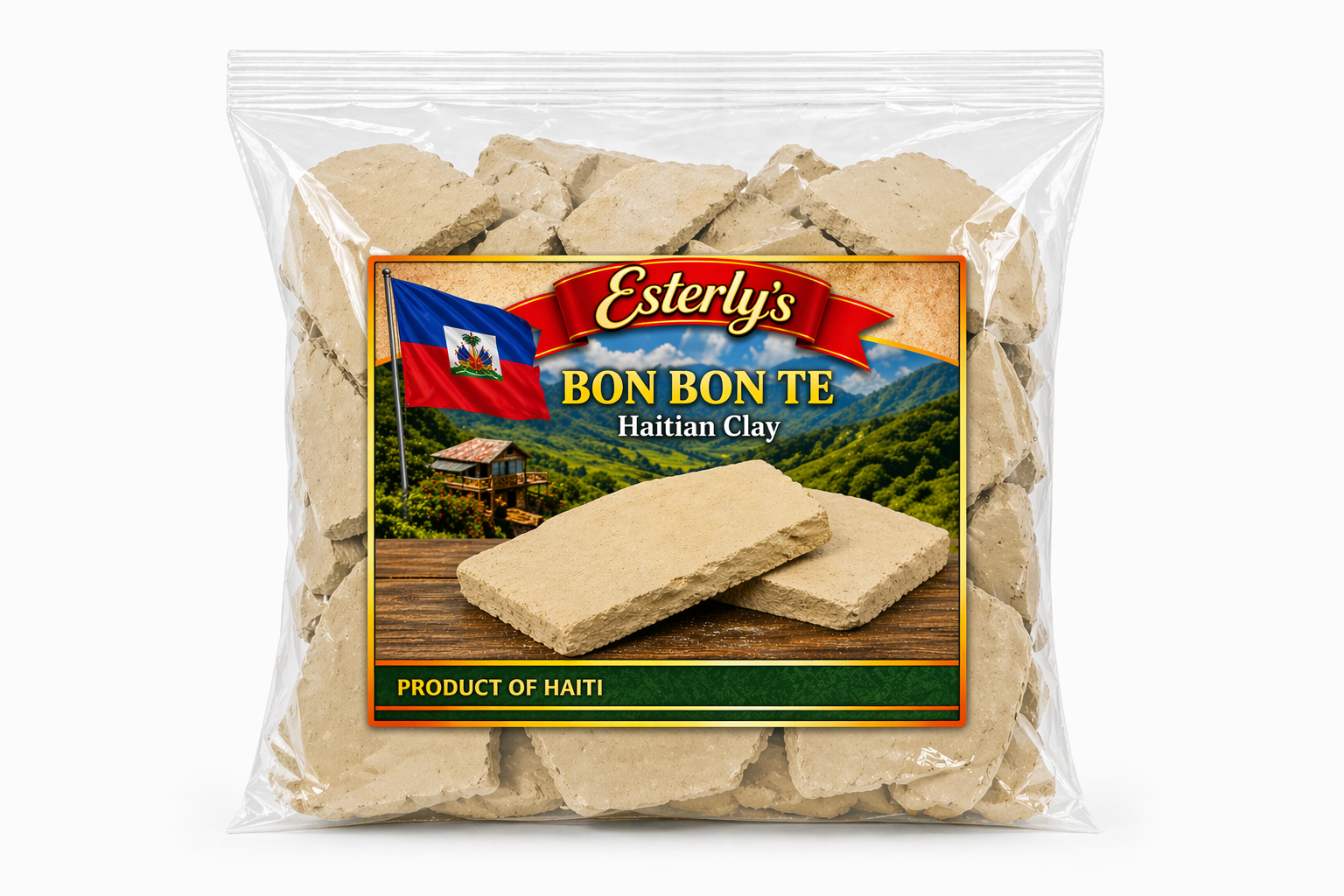
Authentic Bon Bon Te – Haitian Clay
FAQs
What is Haitian clay (Bon Bon Te) and how is it traditionally used in daily life?
Haitian clay, also known as Bon Bon Te, is a type of clay found in Haiti that has been traditionally used for various purposes in daily life. It is commonly used for making pottery, cooking utensils, and as a natural remedy for digestive issues.
How is Haitian clay (Bon Bon Te) used for making pottery and cooking utensils?
Haitian clay is mixed with water and shaped into various forms to create pottery and cooking utensils such as bowls, plates, and pots. Once shaped, the clay is dried and then fired in a kiln to harden and strengthen the items for use.
What are the traditional medicinal uses of Haitian clay (Bon Bon Te)?
Haitian clay has been used as a natural remedy for digestive issues such as diarrhea and stomach pain. It is believed to help absorb toxins and soothe the digestive system when ingested in small amounts.
Are there any cultural or spiritual significance associated with Haitian clay (Bon Bon Te)?
Haitian clay holds cultural and spiritual significance in Haitian society. It is often used in traditional ceremonies and rituals, and is believed to have protective and cleansing properties.
Is Haitian clay (Bon Bon Te) readily available for use in Haiti and other countries?
Haitian clay is readily available in Haiti and is commonly used in daily life for various purposes. However, it may not be as easily accessible in other countries, making it a unique cultural resource specific to Haiti.
No responses yet