
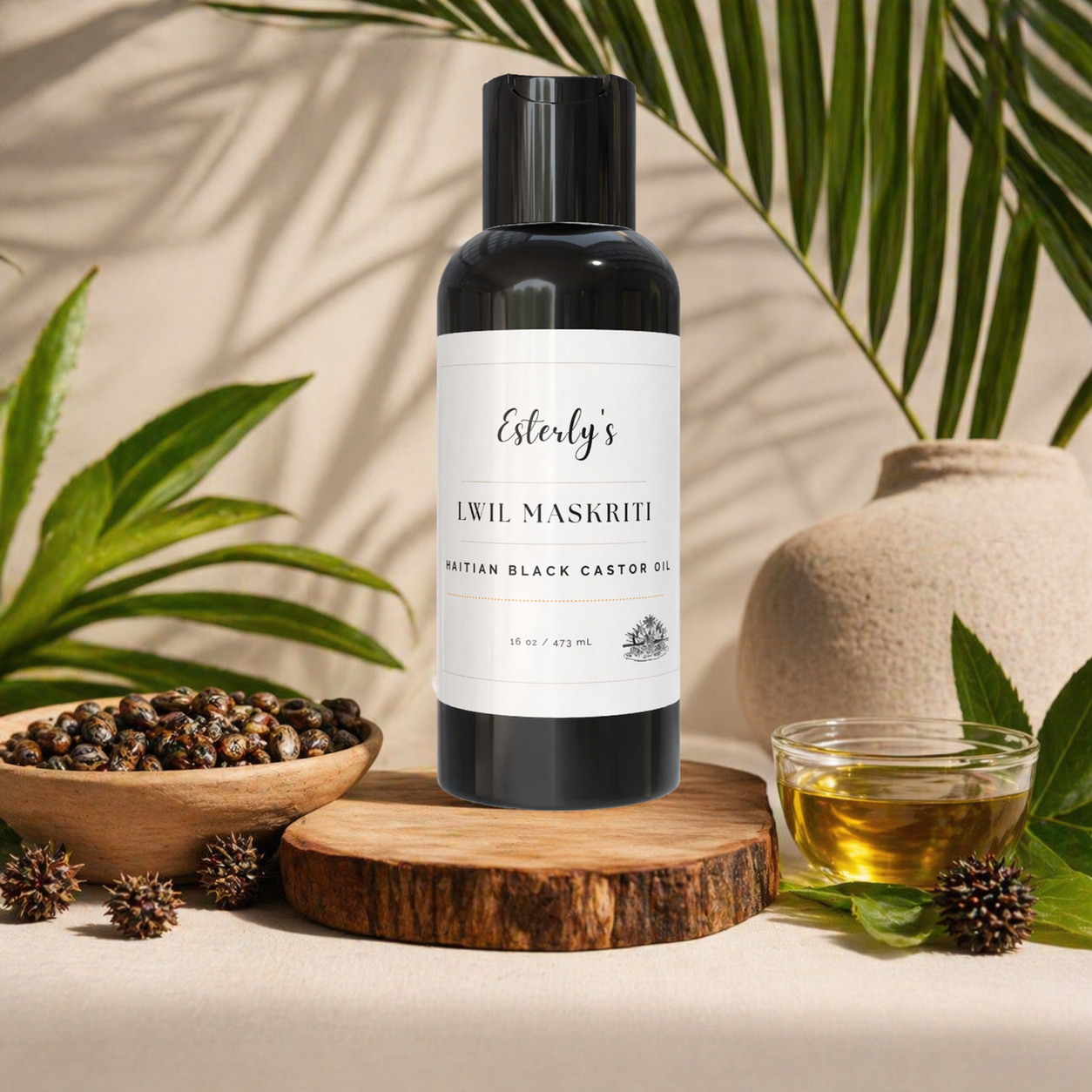
Haitian Black Castor Oil, often referred to as HCBO, has gained some real traction as a potential hair growth solution. Many users report seeing improvements in hair thickness and growth, attributing these benefits to its unique composition and the traditional processing methods used in Haiti. It’s not a magic potion, but there’s a lot to unpack about why it might work for you. We’ll dive into the details, covering what makes it different, how it’s traditionally made, and what the research (and anecdotal evidence) suggests.
HCBO isn’t just regular castor oil. The key differences lie in how it’s processed and, consequently, its chemical profile. This traditional method contributes to its dark color and distinctive properties.
The Traditional Roasting Process
Unlike regular castor oil, which is typically cold-pressed from raw castor beans, HCBO undergoes a unique roasting process. The castor beans are first roasted, then ground, and finally boiled to extract the oil. This roasting introduces ash into the oil, which is believed by some to be alkaline and beneficial for the scalp. This traditional method also gives HCBO its characteristic dark color and somewhat smoky aroma.
Higher pH Level
Due to the ash content from the roasting process, HCBO generally has a higher pH level than clear, cold-pressed castor oil. Some proponents suggest this alkalinity is beneficial for hair health, potentially helping to clarify the scalp and open hair cuticles for better nutrient absorption. However, maintaining a balanced scalp pH is crucial, and going too far in either direction can have adverse effects. The idea here is that a slightly higher pH could help in deep cleansing without being overly harsh when used in moderation.
Nutrient Profile and Fatty Acids
While both types of castor oil are primarily composed of ricinoleic acid, HCBO also contains other beneficial components that may be introduced or concentrated during the traditional preparation. Ricinoleic acid itself is known for its anti-inflammatory and antimicrobial properties, which can be advantageous for scalp health. A healthy scalp is, after all, the foundation for healthy hair growth. Beyond ricinoleic acid, the presence of other fatty acids and potentially trace minerals contributes to its overall nourishing capabilities.
Haitian black castor oil has gained popularity for its remarkable benefits in promoting hair growth, thanks to its rich composition of fatty acids and nutrients. For those interested in learning more about the traditional extraction methods that enhance its potency, you can explore a related article that delves into the secrets of this natural remedy. Check it out here: Unlocking the Secrets of Haitian Black Castor Oil. This informative piece provides valuable insights into the oil’s origins and its effectiveness for hair care.
How Haitian Black Castor Oil is Traditionally Made
Understanding the traditional production of HCBO offers insight into its unique characteristics. It’s a process passed down through generations, rooted in Haitian culture and agricultural practices.
Harvesting the Castor Beans
The process begins with the harvesting of castor beans (Ricinus communis) from the castor plant. These plants thrive in tropical climates, making Haiti an ideal location. The beans are carefully gathered, often by hand, ensuring quality and ripeness.
Roasting and Grinding
Once harvested, the castor beans are roasted over an open fire. This is a crucial step that distinguishes HCBO. The roasting imparts the dark color and adds the beneficial ash content. After roasting, the beans are crushed and ground into a paste, traditionally using a mortar and pestle. This labor-intensive step breaks down the beans and prepares them for oil extraction.
Boiling and Extraction
The ground paste is then boiled in water. As the mixture heats, the oil separates and rises to the surface. It is then carefully skimmed off, filtered to remove impurities, and bottled. This traditional extraction method, though labor-intensive, ensures that the oil retains its natural properties and unique composition. The ash from the roasting process is incorporated during this stage, giving the oil its distinct dark hue and higher pH.
Potential Benefits for Hair Growth and Health
Many individuals use HCBO to address various hair concerns, from thinning to dryness. Let’s look at the commonly cited benefits.
Stimulating Hair Follicles
The ricinoleic acid in HCBO is believed to improve blood circulation to the scalp. Enhanced blood flow can deliver more oxygen and nutrients to the hair follicles, which are essential for healthy hair growth. This improved circulation can potentially awaken dormant follicles and encourage stronger, thicker hair strands. It’s a common remedy applied to the scalp with a gentle massage, which itself can also aid circulation.
Strengthening Hair Strands
HCBO is rich in fatty acids and vitamin E, which are nourishing for the hair. These components can penetrate the hair shaft, helping to strengthen it from within. Stronger hair is less prone to breakage, which means more length retention. Regular application can lead to visibly thicker and more resilient hair. This is particularly beneficial for those with brittle or damaged hair that struggles to grow due to constant breakage.
Reducing Scalp Issues (Dandruff, Dryness)
The antimicrobial and anti-inflammatory properties of ricinoleic acid can benefit scalp health. If you struggle with dandruff, dryness, or an itchy scalp, HCBO might help. It can moisturize the scalp, reduce inflammation, and combat fungal or bacterial growth that often contributes to these conditions. A healthy scalp environment is fundamental for optimal hair growth. Addressing these underlying issues creates a better foundation for hair to thrive.
Moisturizing and Conditioning
HCBO is a humectant, meaning it draws moisture from the air into the hair and scalp. This deep conditioning property can make hair softer, more manageable, and less prone to frizz. It acts as a sealant, locking in moisture and preventing dehydration, especially in dry or damaged hair. For those with naturally dry hair types, this can be a significant advantage, leading to less breakage and a smoother appearance.
How to Incorporate Haitian Black Castor Oil into Your Hair Care Routine
Integrating HCBO into your existing routine is relatively straightforward. There are several ways to use it, depending on your hair type and specific needs.
Scalp Treatment
This is perhaps the most popular way to use HCBO for hair growth. Apply a small amount of oil directly to your scalp. Use your fingertips to gently massage it in circular motions for 5-10 minutes. This massage not only helps distribute the oil but also stimulates blood flow to the scalp. Leave it on for at least 30 minutes, or you can even leave it overnight for a deeper treatment. Using a shower cap can help to prevent staining your pillow.
Pre-Shampoo Treatment
Before shampooing, warm a small amount of HCBO in your hands and apply it evenly to your hair, focusing on the ends. This helps to protect your hair from the stripping effects of shampoo, especially if your shampoo is on the stronger side. Leave it on for 20-30 minutes before washing your hair as usual. This can make a noticeable difference in how soft and moisturized your hair feels after washing.
Leave-In Conditioner or Sealant
For those with very dry or coarse hair, a tiny amount of HCBO can be used as a leave-in conditioner or a sealant. After washing and conditioning your hair, apply a pea-sized amount to your damp strands, concentrating on the mid-lengths and ends. Be careful not to use too much, as it can weigh down your hair. It helps lock in moisture and add shine. This method is particularly effective for protective styles to maintain moisture over longer periods.
Hot Oil Treatment
Combine HCBO with other beneficial oils like jojoba or olive oil for a hot oil treatment. Warm the mixture gently (do not boil) and apply it to your hair and scalp. Cover your head with a shower cap and wrap a warm towel around it. Leave it on for 30 minutes to an hour, then shampoo and condition. The heat helps the oils penetrate more deeply, providing intense conditioning and nourishment.
Haitian black castor oil has gained popularity for its remarkable benefits in promoting hair growth and improving overall hair health. Many users have reported significant improvements in hair thickness and shine after incorporating this natural oil into their hair care routines. For those interested in exploring more natural remedies, you might find inspiration in a related article that discusses various creative uses of spices in cooking, which can also enhance your overall wellness. Check out this interesting read on traditional and creative hot chocolate recipes using spices to discover how incorporating natural ingredients can benefit your health in multiple ways.
Important Considerations and Potential Downsides
| Benefits of Haitian Black Castor Oil for Hair Growth |
|---|
| Promotes hair growth |
| Moisturizes the scalp |
| Strengthens hair follicles |
| Prevents hair breakage |
| Thickens hair |
While HCBO offers many potential benefits, it’s not without its considerations. Being informed will help you use it effectively and safely.
The Thickness and Consistency
HCBO is quite thick and viscous. This can make it a little challenging to work with, especially for those with fine or thin hair, as it can easily weigh hair down or make it feel greasy. Using it sparingly is key. Diluting it with a lighter carrier oil, such as jojoba or almond oil, can make it easier to apply and reduce its heaviness.
Potential for Allergic Reactions
As with any natural product, there’s always a possibility of an allergic reaction. Conduct a patch test on a small area of skin, such as behind your ear or on your inner arm, before applying it all over your scalp. Wait 24-48 hours to check for any redness, itching, or irritation. If you experience any adverse reactions, discontinue use.
Odor and Color
Due to the traditional roasting process, HCBO has a distinct, somewhat smoky or nutty aroma. Some individuals find this smell unpleasant. While it typically dissipates over time, it’s something to consider if you are sensitive to strong scents. Additionally, its dark color can potentially stain light-colored clothing or pillowcases, particularly if left on overnight. Using an old towel or a dark pillowcase during treatments can help prevent this.
Not a Universal Solution
It’s important to have realistic expectations. While many people report positive results, HCBO is not a miracle cure for all hair loss conditions. Hair growth is a complex process influenced by genetics, diet, stress, and underlying health conditions. If you’re experiencing severe hair loss, it’s always best to consult a dermatologist or healthcare professional to determine the root cause and explore appropriate treatment options. HCBO can be a supportive addition to a broader hair care strategy, but it won’t necessarily solve every issue on its own.
Sourcing and Quality: Ensuring You Get the Real Deal
The effectiveness of HCBO largely depends on its authenticity and quality. With popular products, the market can sometimes be flooded with imitations or lower-quality versions.
Reputable Suppliers
Look for suppliers who are transparent about their sourcing and production methods. Many authentic HCBO brands will highlight their connection to Haitian farmers and communities, emphasizing fair trade practices. Check reviews and testimonials, but also pay attention to details about the product’s origin. A good supplier will often provide information on how their oil is processed.
Purity and Additives
Read the ingredient list carefully. Authentic HCBO should ideally be 100% pure castor oil, with no added fillers, fragrances, or artificial ingredients. Some brands might add essential oils for scent or extra benefits, which can be fine, but the core product should be pure HCBO. If the bottle states “castor oil” without specifying “black castor oil” or “Haitian,” it might not be the traditional product you’re looking for.
Color and Consistency as Indicators
While not definitive on their own, the color and consistency can give you clues. Real HCBO is typically dark brown to black, not clear or pale yellow. It also has a thick, viscous consistency. If the oil is light in color or unusually thin, it might be heavily processed or diluted. However, color can vary slightly between batches due to natural variations in the beans and roasting process, so don’t rely solely on this.
Certifications and Ethical Sourcing
Some brands might carry certifications for organic ingredients or fair trade practices. While not always present, these can be indicators of a brand’s commitment to quality and ethical sourcing. Supporting brands that directly benefit Haitian communities can also be a consideration, as it helps perpetuate the traditional craft and economic stability for the producers. This isn’t just about obtaining a product; it’s about supporting a legacy.
Conclusion
Haitian Black Castor Oil offers a compelling option for those looking to improve their hair health and potentially stimulate growth. Its traditional production process, resulting in a unique profile of ricinoleic acid and other beneficial compounds, sets it apart. Users often report benefits related to increased hair thickness, reduced breakage, and improved scalp conditions. While it’s not a one-size-fits-all solution, incorporating HCBO into a consistent hair care routine, with realistic expectations and proper application, can lead to positive outcomes. Always prioritize sourcing from reputable suppliers to ensure you’re getting an authentic and high-quality product.
No responses yet