
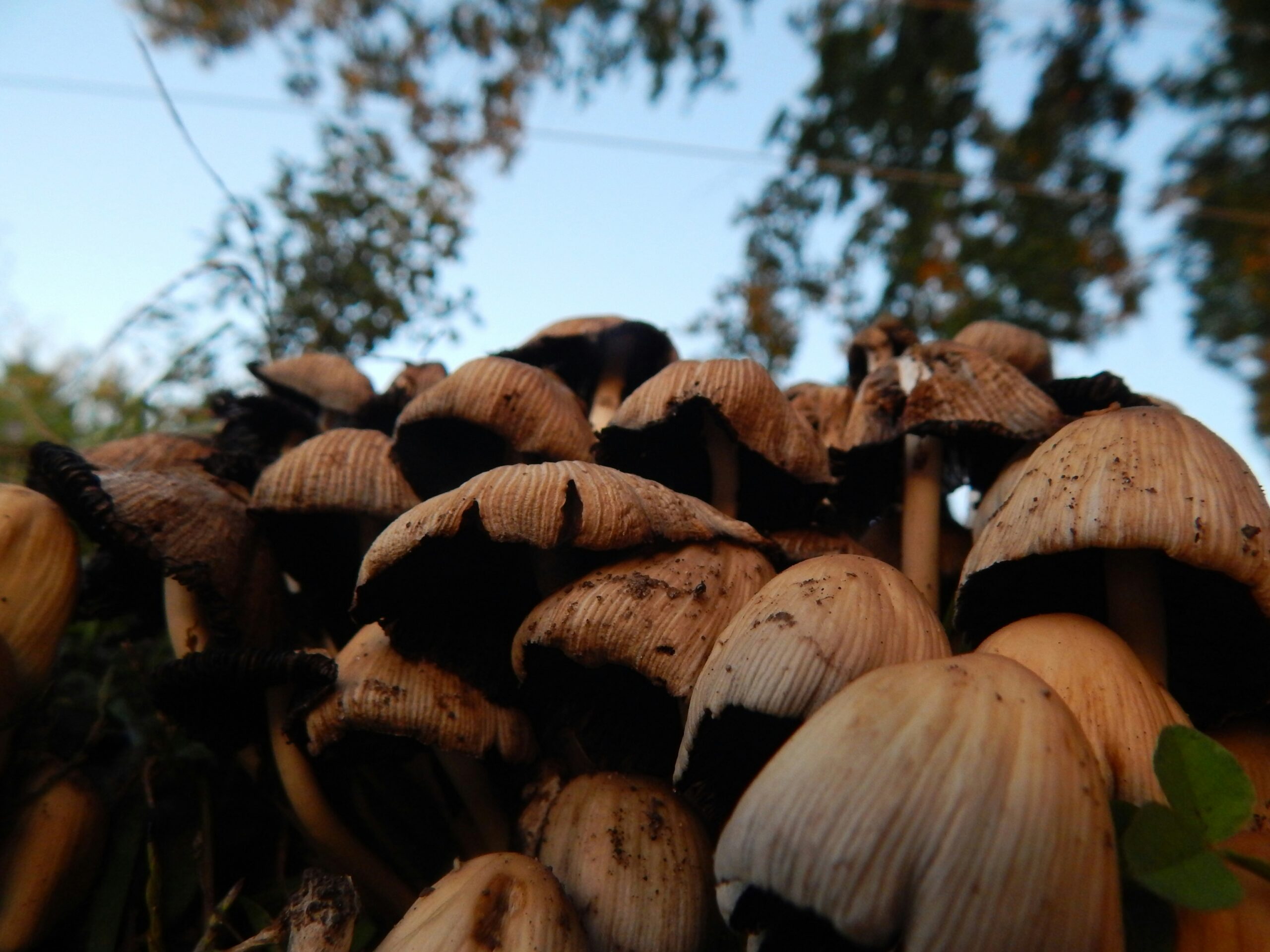
Let’s dive right into what makes Haitian Djon Djon rice so uniquely flavorful and visually striking. The magic really comes down to a few key ingredients, with the black mushroom, Chlorophyllum molybdites (or more commonly, just “djon djon”), being the star. Without this particular mushroom, you simply don’t get that signature dark color and earthy aroma. Beyond that, it’s a careful balance of a good quality long-grain rice, a specific combination of aromatics, and the right fats and seasonings that tie it all together.
No surprise here, the djon djon mushroom is the non-negotiable ingredient. It’s what gives the rice its distinctive grayish-black hue and that deep, earthy, almost umami-rich flavor that’s hard to replicate.
What are Djon Djon Mushrooms?
These aren’t your typical button mushrooms from the grocery store. Djon djon refers to a specific type of wild mushroom, scientifically known as Chlorophyllum molybdites. They’re native to Haiti and other tropical regions, but for culinary purposes, they’re almost exclusively used dried. They have a very strong, somewhat woody aroma when dry, and that intensifies beautifully when rehydrated and cooked.
Sourcing Djon Djon
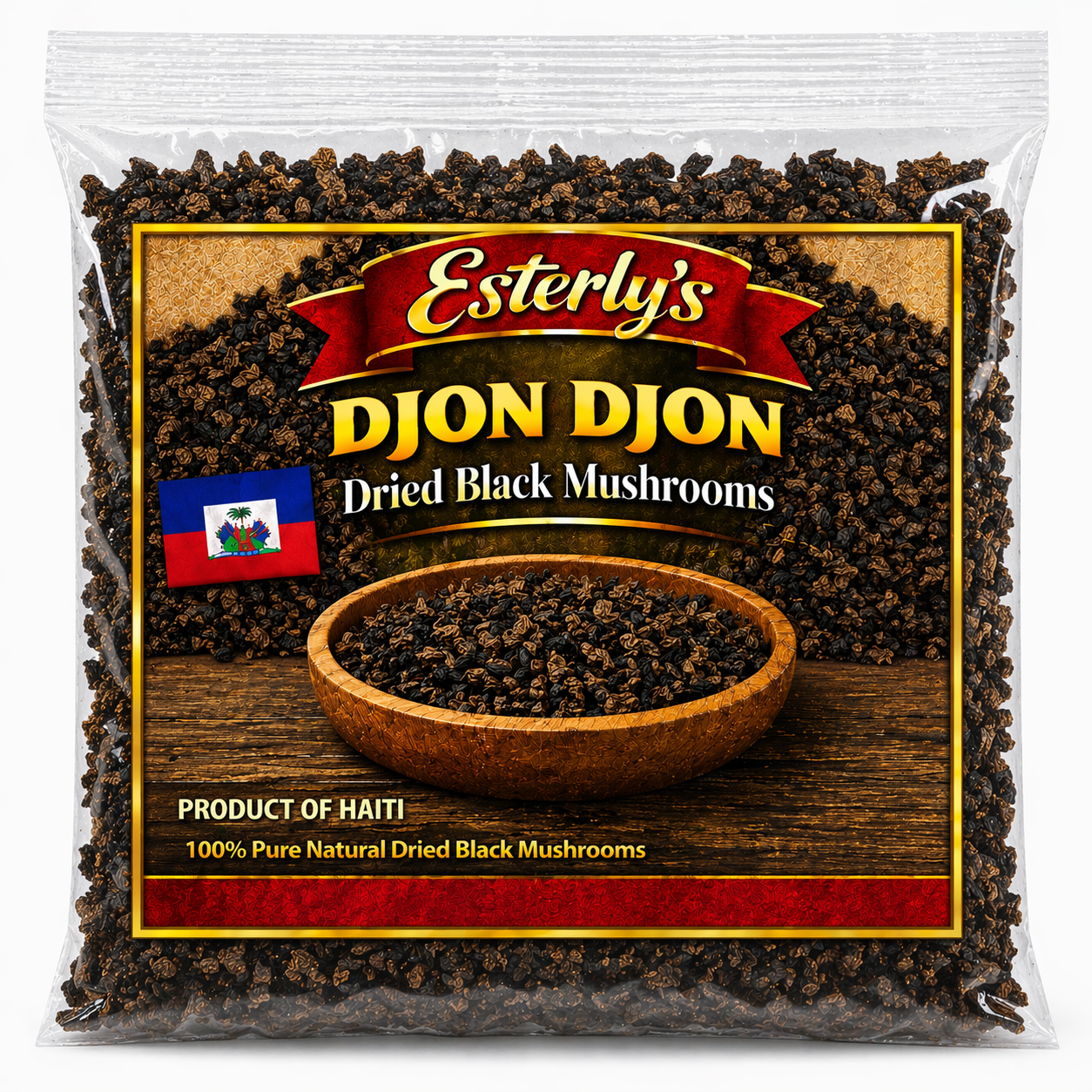
Finding fresh djon djon outside of Haiti is virtually impossible. Your best bet is to look for dried djon djon mushrooms.
Where to Buy Dried Djon Djon
You’ll most likely find them in Caribbean or international grocery stores, especially those specializing in Haitian products. Online retailers specializing in Caribbean ingredients are also a good resource. Be prepared for them to be a bit pricey, as they’re a specialty item.
What to Look For
When buying dried djon djon, look for whole, unbroken pieces if possible. The color should be a deep, dark brown to black. Avoid anything that looks dusty, brittle, or has any signs of mold. The aroma should be strong and earthy, not musty or chemical.
Preparing Djon Djon for Cooking
This is a crucial step that directly impacts the color and flavor of your rice.
Rehydration Process
You’ll need to rehydrate the dried mushrooms by soaking them in hot water. The key here is not just to rehydrate them, but to extract as much of their color and flavor as possible into the water, which then becomes the cooking liquid for the rice.
- Rinse Thoroughly: First, give the dried mushrooms a quick rinse under cold water to remove any surface dirt or debris.
- Soak in Hot Water: Place the rinsed djon djon in a heatproof bowl. Pour very hot (but not necessarily boiling) water over them, enough to fully submerge.
- Steep: Let them steep for at least 30 minutes, or even longer (up to an hour), until the mushrooms are softened and the water has turned a very dark, inky black. You can gently press on the mushrooms with the back of a spoon to help release more color.
- Strain and Reserve: Carefully strain the liquid through a fine-mesh sieve or cheesecloth into a separate bowl. This dark liquid is your “djon djon broth” and is essential for the color and flavor of the rice. The rehydrated mushroom pieces themselves are usually discarded in traditional djon djon rice, as their texture can be a bit tough, but some people do chop them finely and add them back in for more intense flavor.
In addition to the essential ingredients for Haitian Djon Djon Rice, you might find it interesting to explore the broader culinary applications of unique ingredients in Haitian cuisine. A related article discusses the various ways coffee can be utilized beyond just drinking, highlighting its versatility in cooking and flavoring dishes. You can read more about this fascinating topic in the article found here: Exploring the Culinary Uses of Coffee Beyond Drinking.
The Rice: Foundation of the Dish
While the djon djon provides the character, the rice itself is the canvas. The type and quality of rice you choose will affect the texture and overall success of the dish.
Long-Grain White Rice is Key
Traditional djon djon rice uses long-grain white rice. This is important for achieving a fluffy, separated grain texture, rather than a sticky or clumpy one.
Why Long-Grain?
Long-grain rice varieties, like Basmati or Jasmine, have a lower starch content compared to medium or short-grain rices. This means they cook up light and separate, which is preferred for dishes like djon djon rice. You want each grain to be distinct, not glued together.
Best Types to Use
- Jasmine Rice: A very popular choice. It’s aromatic, cooks up light and fluffy, and is widely available.
- Basmati Rice: Another excellent option, also known for its fragrance and separate grains.
- Plain Long-Grain White Rice: Even standard long-grain white rice will work well, just ensure it’s not a parboiled or instant variety, as these can alter the texture.
Preparing the Rice
Proper preparation of the rice before cooking ensures the best texture.
Rinsing the Rice
Always rinse your rice before cooking. This removes excess surface starch, which helps prevent the rice from becoming sticky and promotes separate grains. Rinse under cold running water until the water runs mostly clear.
The Aromatic Base: Flavor Building Blocks

Beyond the mushrooms, a specific blend of aromatics is what gives djon djon rice its depth and savory foundation.
Epis: The Haitian Flavor Paste
This is arguably the second most important ingredient after the djon djon itself. Epis is a versatile Haitian seasoning base, a blend of fresh herbs and vegetables, that forms the backbone of most Haitian savory dishes.
What’s in Epis?
While recipes vary slightly from family to family, a typical epis includes:
- Garlic: Plenty of it, for a pungent base.
- Onion: White or yellow onion, providing sweetness and aromatic depth.
- Bell Pepper: Green bell pepper is traditional, adding a fresh, slightly bitter note. Some also use red or yellow for sweetness.
- Scotch Bonnet Pepper (or Habanero): Crucial for that characteristic Haitian heat and fruity aroma. You can adjust the amount to your spice preference, or even omit it if you’re very sensitive, but it does add an important flavor dimension.
- Parsley: Fresh flat-leaf parsley is common.
- Thyme: Fresh sprigs are preferred.
- Scallions (Green Onions): Add a mild oniony freshness.
- Oil and Vinegar (or sour orange juice): To help blend and preserve the paste, and add a tangy element.
Using Epis in Djon Djon Rice
You’ll sauté a generous amount of epis in oil before adding the rice and the djon djon broth. This step infuses the entire dish with a complex layer of flavor. If you don’t have homemade epis, you can approximate it by finely mincing or blending fresh garlic, onion, bell pepper, parsley, and a bit of hot pepper.
Other Essential Aromatics
While epis does much of the heavy lifting, a few other aromatics contribute to the overall balance.
Whole Clove
A few whole cloves are traditionally added to the rice. They impart a subtle, warm, and slightly sweet-spicy note that complements the earthy djon djon beautifully. Don’t overdo it, as cloves can be overpowering.
Maggi or Bouillon Cube
Many Haitian cooks use a Maggi cube (or other chicken/vegetable bouillon cube) to enhance the savory depth of the rice. This adds a concentrated umami and salty kick. Be mindful of sodium if using, and adjust other salt accordingly.
Hot Pepper (Scotch Bonnet/Habanero)
Even if epis contains some, many recipes call for an additional whole (or slit) Scotch Bonnet or Habanero pepper to be added to the pot during cooking. This provides more heat and its characteristic fruity aroma without making the dish overly spicy if left whole. Just be careful not to break it open while cooking!
Fats and Seasonings: The Finishing Touches

These elements bring everything together, ensuring the rice is flavorful, well-seasoned, and has a good mouthfeel.
Cooking Oil
A neutral cooking oil is needed to sauté the epis and rice.
Best Types of Oil
- Vegetable Oil: A good all-rounder, neutral in flavor.
- Canola Oil: Similar to vegetable oil, widely available.
- Coconut Oil (refined): A refined coconut oil would work if you want a very subtle tropical hint without a strong coconut flavor. Unrefined might be too strong for this dish.
Salt and Black Pepper
These are fundamental for seasoning any dish.
Adjusting to Taste
Always taste your djon djon broth before adding the rice. The amount of salt needed will depend on whether your epis was seasoned, if you used a bouillon cube, and personal preference. A good sprinkle of freshly cracked black pepper also adds a subtle layer of spice.
Optional: Butter or Margarine
Some cooks add a small knob of butter or margarine towards the end of cooking or just before serving. This isn’t universally traditional but can add richness and a slight sheen to the rice, contributing to a more luxurious texture.
If you’re interested in exploring the rich culinary traditions of Haiti, you might find the article on sustainable cultivation practices for growing jute leaves in Haiti particularly enlightening. Jute leaves are often used in various Haitian dishes, complementing staples like Djon Djon rice. This connection between agriculture and cuisine highlights the importance of local ingredients in creating authentic flavors. You can read more about it in this insightful piece here.
Water: The Inky Black Essence
| Ingredients | Amount |
|---|---|
| Djon Djon Mushrooms | 1 cup |
| Long-grain rice | 2 cups |
| Water | 3 cups |
| Scallions | 1/2 cup, chopped |
| Thyme | 1 teaspoon |
| Garlic | 2 cloves, minced |
| Black pepper | 1/2 teaspoon |
| Salt | To taste |
The water you use to cook the rice is not just any water; it’s the djon djon infused water.
Why Djon Djon Infused Water?
As mentioned earlier, the dark liquid from rehydrating the djon djon mushrooms is what typically provides the signature color and a significant portion of the earthy flavor.
Supplementing with Broth or Water
Sometimes, even after soaking, the djon djon liquid might not be dark enough or you might not have enough volume for the amount of rice you’re cooking.
- Chicken Broth: Some cooks supplement with chicken broth for added savoriness.
- Vegetable Broth: A good alternative for a vegetarian version.
- Plain Water: If you’re confident in your djon djon’s strength and you have enough of its liquid, plain water can be used to reach the required volume.
The goal is to have enough liquid (djon djon broth + any supplements) to properly cook the rice, typically a 2:1 ratio of liquid to rice, though this can vary slightly based on the type of rice and how tightly you cover the pot.
If you’re exploring the rich culinary traditions of Haiti, you might find the article on organic Haitian coffee particularly interesting, as it highlights the unique flavors and cultural significance of Haitian ingredients. The connection between the aromatic notes of Haitian coffee and the earthy essence of Djon Djon rice showcases the diverse palate of Haitian cuisine. For a deeper understanding of these flavors, check out the article on why organic Haitian coffee is worth it.
Putting It All Together: The Harmony of Ingredients
Each of these components plays a vital role. The djon djon delivers the visual and fundamental earthy flavor. The long-grain rice provides the ideal texture. The epis forms the aromatic backbone, while cloves add warmth and bouillon cubes a layer of umami. The cooking oil facilitates sautéing and butter/margarine (if used) adds richness. Finally, salt and pepper ensure perfect seasoning. It’s this specific combination, prepared with care, that results in the authentic, deeply flavorful, and visually striking Haitian Djon Djon rice. Without any one of these essential elements, the dish simply wouldn’t be the same.
Djon Djon for Tasty Diri Djon Djon
FAQs
What is Djon Djon rice?
Djon Djon rice is a traditional Haitian dish made with rice that has been cooked with dried black mushrooms called djon djon. The mushrooms give the rice a distinct flavor and color.
What are the essential ingredients for Haitian Djon Djon rice?
The essential ingredients for Haitian Djon Djon rice include rice, dried djon djon mushrooms, garlic, thyme, scallions, salt, and pepper. Some recipes may also include other ingredients such as pigeon peas, bell peppers, and onions.
Where can I find djon djon mushrooms?
Djon djon mushrooms can be found in specialty Caribbean or Haitian grocery stores. They may also be available for purchase online. If djon djon mushrooms are not available, some recipes suggest using dried porcini mushrooms as a substitute.
How do I prepare djon djon mushrooms for Djon Djon rice?
To prepare djon djon mushrooms for Djon Djon rice, they should be soaked in hot water for at least 30 minutes to rehydrate them. The soaking liquid is then used to cook the rice, infusing it with the flavor and color of the mushrooms.
What is the significance of Djon Djon rice in Haitian cuisine?
Djon Djon rice is a beloved and iconic dish in Haitian cuisine, often served at special occasions and celebrations. The dish is known for its rich, earthy flavor and dark color, and is considered a staple in Haitian cooking.
No responses yet