
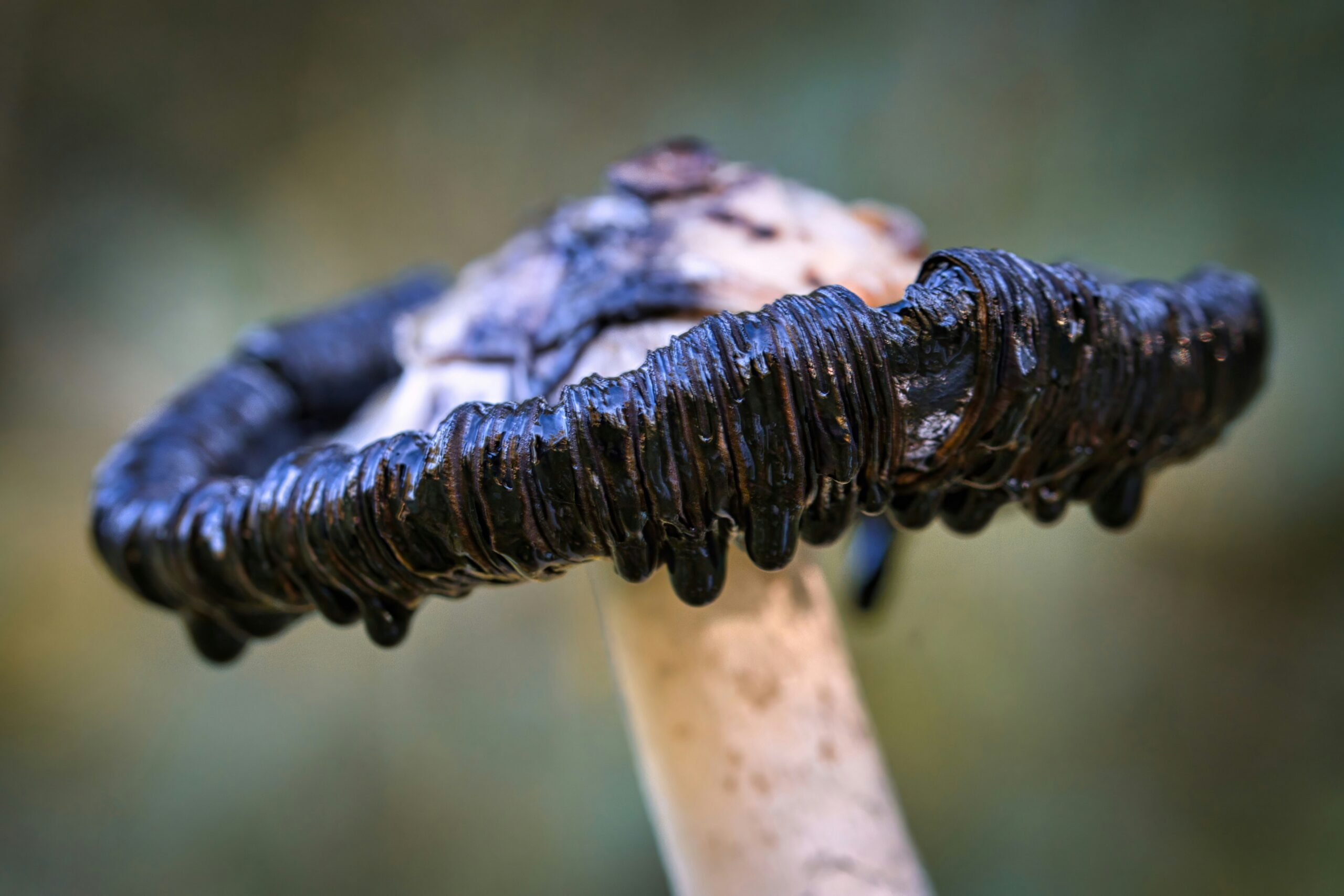
So, you’ve got your hands on some djon djon seasoning and you’re wondering how to unleash its magic for that authentic, rich Haitian flavor? You’re in the right place. This little power player is key to some of Haiti’s most celebrated dishes, and it’s not as complicated as you might think.
What Exactly is Djon Djon Seasoning?
At its core, djon djon is about flavor. It’s derived from dried black mushrooms, specifically an edible fungus found in Haiti. These mushrooms aren’t just about adding a bit of umami; they carry a distinct, earthy, and subtly smoky profile that’s utterly unique. Think of it as the secret handshake of Haitian cuisine, instantly recognizable to anyone who knows their way around a pot of riz collé or soup joumou.
Where Does Djon Djon Come From?
The djon djon mushroom thrives in specific environmental conditions, often found growing in the humid climes of Haiti. Traditionally, these mushrooms are carefully harvested, dried, and then ground into a fine powder or sold as whole dried pieces. The drying process concentrates their flavor, making them potent little flavor bombs. This isn’t something you’ll find in your average supermarket spice aisle, which adds to its special status.
Understanding the Flavor Profile
Before we dive into cooking, let’s talk taste. Djon djon has a deep, complex flavor. If you’ve never tasted it, imagine the earthiness of a good dried shiitake mushroom, but with an added layer of something richer, almost like a whisper of smoke and a hint of brine. It’s not aggressively spicy, but it adds an incredible depth and a savory, satisfying character to dishes that’s hard to replicate. It’s this depth that makes it so essential for those unforgettable Haitian meals.
Before you start djon-joning, you’ll need a couple of things to make sure you get the most out of this incredible ingredient. Think of this as setting yourself up for success.
Types of Djon Djon You Might Encounter
You’ll likely see djon djon in a few forms, and understanding them will help you choose the right one for your recipe.
Dried Whole Djon Djon Mushrooms
These are the most traditional form. They look like small, dark, shriveled mushrooms. They require a bit more prep, as you’ll need to rehydrate them before using. This process helps release their full flavor potential. Don’t be put off by their appearance; their magic is on the inside.
Ground Djon Djon Powder
This is often a more convenient option. The dried mushrooms have been finely ground into a powder. This means you can often add it directly to your dishes, much like other powdered spices. It’s a great shortcut if you’re short on time or prefer a less hands-on approach.
Essential Prep Steps: Unlocking the Flavor
Regardless of whether you have whole mushrooms or powder, a little preparation goes a long way.
Rehydrating Whole Djon Djon Mushrooms
If you’ve got the whole dried mushrooms, you can’t just toss them in. They need a little spa treatment to revive their flavor.
- The Soak: Place the dried mushrooms in a bowl and cover them with hot (but not boiling) water.
- The Wait: Let them soak for about 15-30 minutes, or until they’re soft and pliable. The water they soak in will become intensely flavored and can often be used in your cooking too. Don’t discard that precious liquid!
- The Strain (and Save!): Once rehydrated, you can gently squeeze out any excess water. Be sure to strain the soaking water through a fine-mesh sieve or cheesecloth to remove any grit or sediment. This flavorful liquid is pure gold and should be incorporated into your dish.
- Chopping: You can then finely chop the rehydrated mushrooms to incorporate them into your base aromatics or stews.
Activating Djon Djon Powder
While ground djon djon often doesn’t require rehydration, some chefs swear by a quick activation, especially for drier dishes.
- The Bloom: A quick mix with a little bit of warm liquid (water, broth, or even oil) can help “wake up” the flavors in the powder before adding it to your cooking. This is less about softening and more about ensuring even distribution and releasing volatile aromatics.
What to Cook With Djon Djon: The Classics
Djon djon is the star of the show in several iconic Haitian dishes. Knowing these will give you a great starting point for using your seasoning.
Riz Djon Djon (Djon Djon Rice)
This is arguably the most famous application. The rice is cooked in a flavorful broth infused with djon djon, giving it a characteristic deep black or dark brown color and an unmistakable savory taste. It’s not just rice; it’s an experience.
Soup Joumou
This celebratory soup, often made for New Year’s Day, features pumpkin or squash as its base. Djon djon is an integral part of its complex flavor profile, adding a layer of richness and umami that elevates it beyond a simple vegetable soup. It adds a depth that you just can’t get otherwise.
Other Savory Dishes
Beyond these two, djon djon can be used to enhance almost any savory dish. Think stews, braising liquids for meats, or even as a flavor booster for bean dishes. Its versatility is a hidden gem.
If you’re looking to enhance your culinary skills with authentic Haitian flavors, you might also find the article on “Exploring the Unique Ingredients of Haitian Cuisine” helpful. This article delves into various traditional ingredients, including Djon Djon seasoning, and offers insights on how to incorporate them into your cooking for a truly rich and flavorful experience. You can read more about it here: Exploring the Unique Ingredients of Haitian Cuisine.
How to Incorporate Djon Djon into Your Cooking
Now that you know what it is and how to prep it, let’s talk about how to actually use it in your kitchen. It’s about being intentional with how you introduce its flavor.
Building Flavor Bases with Djon Djon
The best way to introduce djon djon is usually at the beginning of the cooking process, allowing its flavors to meld and deepen.
Sautéing with Djon Djon
If you’re using whole, rehydrated, and chopped djon djon, you can often sauté them with your aromatics like onions, garlic, and peppers. This helps to release their oils and integrate their flavor into the fat.
- The Trinity: Start with your sofrito of onions, garlic, and bell peppers.
- Add the Djon Djon: Toss in your finely chopped djon djon and sauté for a few minutes until fragrant.
- Build Upon It: Then, add your main ingredients and liquids to create your stew or sauce.
Incorporating Djon Djon Powder into Liquids
For ground djon djon, you can often whisk it directly into broths, sauces, or marinades.
- The Blend: Mix the powder with a small amount of warm liquid to create a smooth paste, similar to how you’d activate cocoa powder.
- The Infusion: Then, stir this paste into your main cooking liquid. This ensures it dissolves evenly and doesn’t clump up.
Djon Djon and Rice: A Masterclass
Riz djon djon is the ultimate showcase for this seasoning. Getting it right is about balance and technique.
The Principle of Djon Djon Rice
The goal is to cook rice in a liquid that is deeply flavored with djon djon. This isn’t just about adding a pinch of powder; it’s about creating a flavorful cooking medium.
- The Base Liquid: Traditionally, this involves using the strained soaking water from rehydrated whole djon djon, mixed with chicken or vegetable broth.
- The Color: The djon djon will naturally impart a dark hue to the rice, ranging from a deep brown to an almost black shade, depending on the quantity used.
- The Flavor: The rice absorbs this deeply savory liquid, making each grain burst with flavor.
Making Authentic Riz Djon Djon
Here’s a simplified look at how to achieve that signature dish.
- Sauté Aromatics: Begin by sautéing your onions, garlic, and any other vegetables (like green peppers or thyme) in oil.
- Add Djon Djon: Introduce your prepared djon djon (either the bloomed powder or finely chopped rehydrated mushrooms) to the sauté. Cook for a minute or two until fragrant.
- Toast the Rice: Add your uncooked rice (like Jasmine or long-grain white rice) and stir to coat it evenly with the aromatics and djon djon. Toasting the rice for a couple of minutes helps it absorb flavor better and separate during cooking.
- Add Liquid: Pour in your djon djon infused liquid (the strained mushroom water mixed with broth). Ensure the liquid-to-rice ratio is correct, usually around 1.5 to 2 parts liquid to 1 part rice, depending on the rice type.
- Simmer and Steam: Bring the liquid to a boil, then reduce the heat to low, cover tightly, and let it simmer until the liquid is absorbed and the rice is tender (typically 15-20 minutes).
- Rest: Once cooked, let the rice rest, covered, for 5-10 minutes before fluffing with a fork. This allows the steam to evenly finish cooking the grains.
Djon Djon in Soups and Stews: Adding Depth
In soups and stews, djon djon acts as a flavor enhancer, adding complexity and richness.
Beyond the Broth: Layering Djon Djon’s Flavor
When adding djon djon to a soup or stew, consider where it will have the most impact.
- Early Integration: As with rice, adding it early in the cooking process allows its flavors to meld beautifully with other ingredients.
- Don’t Overdo It: While potent, djon djon is meant to complement, not overpower. Start with a moderate amount and taste as you go.
- The “Magic” Ingredient: In dishes like Soup Joumou, it adds that signature depth that makes the soup so satisfying and memorable. It’s not just about the pumpkin; it’s about the symphony of flavors that djon djon orchestrates.
A Note on Djon Djon and Salt
Djon djon can have a slightly briny undertone. Be mindful of this when adding salt to your dishes. It’s often a good idea to salt after you’ve incorporated the djon djon and tasted.
Adjusting Djon Djon Based on Your Recipe and Taste

Like any spice or seasoning, the amount of djon djon you use can be adjusted to suit both the dish and your personal preference.
Starting Small: The “Taste and See” Approach
It’s always better to start with less and add more than to end up with an overpowering flavor. Djon djon is potent, so a little goes a long way.
- Powder Power: If using powder, start with half a teaspoon for a typical pot of rice or soup and increase from there.
- Whole Mushroom Wisdom: With whole mushrooms, use 2-3 dried mushrooms per cup of rice or for a smaller pot of soup, then adjust.
Understanding Intensity: What To Expect
The intensity of djon djon can vary slightly based on the source and how it was dried.
- Freshness Matters: Older, improperly stored djon djon might have a less pronounced flavor.
- Brand Variation: If you buy pre-packaged ground djon djon, notice if the brand has a reputation for being stronger or milder.
- Personal Palate: Some people simply have a more sensitive palate and will detect the flavor more readily.
When to Add Djon Djon for Maximum Impact
Timing is key to unlocking the full flavor potential of djon djon.
During the Sauté
As mentioned before, sautéing either the powder (bloomed) or chopped rehydrated mushrooms with your aromatics is a fantastic way to begin building flavor. This allows the djon djon to release its oils and perfumes into the cooking fat.
Simmering to Develop Flavor
Adding djon djon to broths and stews early in the simmering process allows its complex notes to meld and deepen throughout the entire dish. It becomes an integral part of the overall flavor profile.
Finishing Touches (Use with Caution)
While less common, a tiny pinch of djon djon powder could be stirred into a sauce or glaze right at the end for a subtle, earthy kick. However, for most dishes, its true strength lies in its foundational role.
Enhancing Djon Djon’s Flavor with Other Ingredients

Djon djon plays well with others. Finding the right pairing can elevate your Haitian dishes even further.
The Classic Companions: Garlic, Onion, and Thyme
These are the holy trinity of Haitian cooking and they are djon djon’s best friends.
- Garlic’s Pungency: The sharp, aromatic bite of garlic complements the deep, earthy notes of djon djon beautifully.
- Onion’s Sweetness: Sautéed onions provide a sweet base that balances the richness of the djon djon.
- Thyme’s Herbaceousness: The fresh, slightly floral notes of thyme cut through the earthiness and add another layer of aromatic complexity. These are usually sautéed together with the djon djon to create a powerful flavor base.
Complementary Spices and Herbs
Beyond the basics, other ingredients can work wonders.
- Peppers (Scotch Bonnet): For a bit of heat, a Scotch bonnet pepper (used judiciously!) will add a welcome warmth that marries well with the djon djon’s savory profile.
- Peas and Beans: Djon djon is excellent in rice and bean dishes, providing a depth that makes simple legumes taste extraordinary.
- Root Vegetables: Think about pairing it with root vegetables like carrots or potatoes in stews, where its earthy notes can enhance their natural sweetness.
Acids and Brightness
A touch of acidity can help to cut through the richness of djon djon.
- Lime or Lemon Juice: A squeeze of fresh lime or lemon juice added at the end of cooking can brighten up dishes where djon djon is prominent, preventing them from tasting too heavy.
If you’re looking to enhance your culinary skills while exploring the rich flavors of Haitian cuisine, you might find it helpful to read about the ancient techniques used in food preparation. For instance, the article on the versatility of mortar and pestle offers insights into traditional methods that can elevate your cooking experience. You can check it out here. Understanding these techniques can complement your use of Djon Djon seasoning, allowing you to create authentic and flavorful dishes that truly capture the essence of Haiti.
Storing Your Djon Djon for Longevity
| Recipe | Ingredients | Instructions |
|---|---|---|
| Djon Djon Rice | 1 cup rice, 1 cup dried djon djon mushrooms, 2 cups water, 1/4 cup chopped onions, 2 cloves garlic, 2 tablespoons olive oil, salt to taste | 1. Soak djon djon mushrooms in 2 cups of water for 30 minutes. 2. In a pot, sauté onions and garlic in olive oil. 3. Add rice and stir for 2 minutes. 4. Add djon djon water and salt, then cook until rice is tender. |
| Djon Djon Chicken | 4 chicken thighs, 1 tablespoon djon djon seasoning, 1 teaspoon thyme, 1 teaspoon garlic powder, 1 teaspoon onion powder, salt and pepper to taste | 1. Season chicken with djon djon seasoning, thyme, garlic powder, onion powder, salt, and pepper. 2. Grill or bake until fully cooked. |
| Djon Djon Soup | 1 lb beef, 1/2 lb carrots, 1/2 lb potatoes, 1/2 lb cabbage, 1/4 lb djon djon mushrooms, 1 onion, 2 cloves garlic, 1 teaspoon thyme, 1 teaspoon parsley, salt and pepper to taste | 1. Boil beef in water until tender. 2. Add chopped vegetables, djon djon mushrooms, onions, garlic, thyme, and parsley. 3. Simmer until vegetables are cooked. |
Proper storage ensures that your precious djon djon seasoning remains potent and flavorful for as long as possible.
Keeping it Fresh: The Importance of Airtight Containers
Like most dried goods, djon djon is susceptible to moisture and air, which can degrade its flavor over time.
- Airtight is Key: Always store your djon djon in an airtight container. Glass jars with tight-fitting lids or good quality resealable bags work well.
- Cool, Dark Place: Find a cool, dry, and dark spot in your pantry. Avoid storing it near the stove or in direct sunlight, as heat and light can accelerate spoilage and flavor loss.
Shelf Life: What to Expect
While dried, djon djon can last a good while if stored correctly.
- Ground Powder: Ground djon djon typically has a shorter shelf life than whole mushrooms, usually best used within 6-12 months for optimal flavor.
- Whole Mushrooms: Whole dried djon djon mushrooms can be preserved for longer, often up to 1-2 years, provided they are kept completely dry and sealed.
- Signs of Spoilage: Look out for any signs of mold, mustiness, or a significant loss of aroma. If your djon djon smells off or has any unusual texture, it’s best to discard it.
Freezing Djon Djon (For Long-Term Storage)
If you live in a humid climate or want to store your djon djon for an extended period, freezing is a viable option.
- Dryness is Crucial: Ensure the djon djon is completely dry before freezing. If using whole mushrooms, you might want to vacuum-seal them to prevent moisture from getting in.
- Small Batches: For ground powder, consider portioning it into small, airtight freezer bags or containers so you only thaw what you need at a time. This prevents condensation and protects the flavor.
- Thawing: When ready to use, allow the frozen djon djon to thaw completely at room temperature before incorporating it into your dishes.
By following these simple tips, you can ensure your djon djon seasoning stays a vibrant and flavorful asset in your kitchen, ready to add that unmistakable Haitian touch to your culinary creations whenever the craving strikes. Embrace the richness, experiment with its potential, and enjoy the journey of unlocking authentic Haitian flavor.
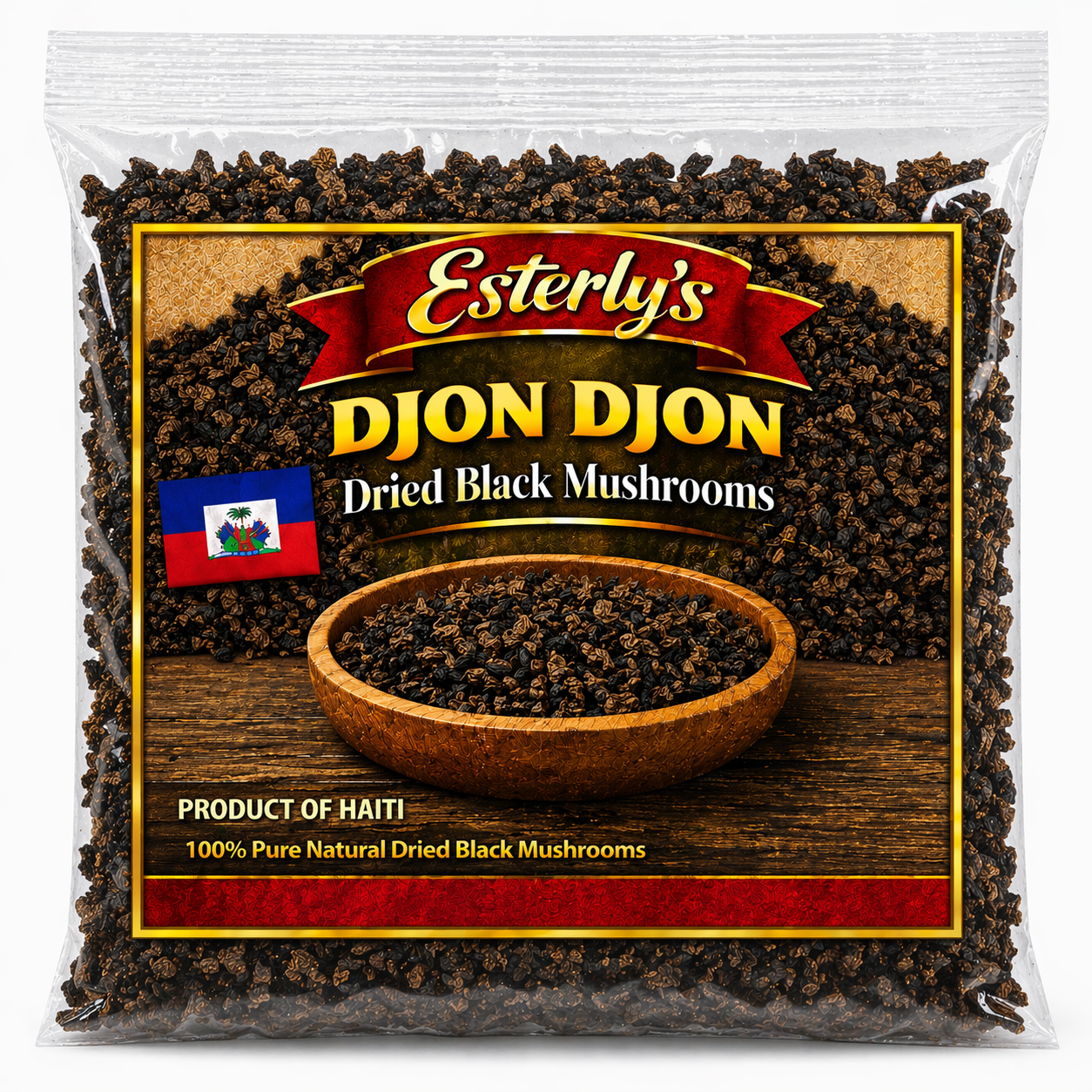
Djon Djon for Tasty Diri Djon Djon
FAQs
What is Djon Djon seasoning?
Djon Djon seasoning is a type of dried mushroom found in Haiti. It is known for its unique flavor and is often used in Haitian cuisine to add depth and richness to dishes.
How is Djon Djon seasoning used in cooking?
Djon Djon seasoning is typically rehydrated in hot water and then used as a broth or stock in cooking. It is commonly used to flavor rice dishes, stews, and soups, adding a distinct earthy and umami flavor to the dish.
Where can I find Djon Djon seasoning?
Djon Djon seasoning can be found in specialty Haitian or Caribbean grocery stores. It may also be available for purchase online from specialty food retailers.
What are some dishes that can be enhanced with Djon Djon seasoning?
Djon Djon seasoning is commonly used to flavor dishes such as diri ak djon djon (rice with Djon Djon), soups, and stews. It can also be used to add depth to vegetarian and meat-based dishes.
Are there any substitutes for Djon Djon seasoning?
If Djon Djon seasoning is not available, some cooks use dried porcini mushrooms as a substitute. However, the flavor profile will be different, so it may not provide the exact same taste as Djon Djon seasoning.
No responses yet