
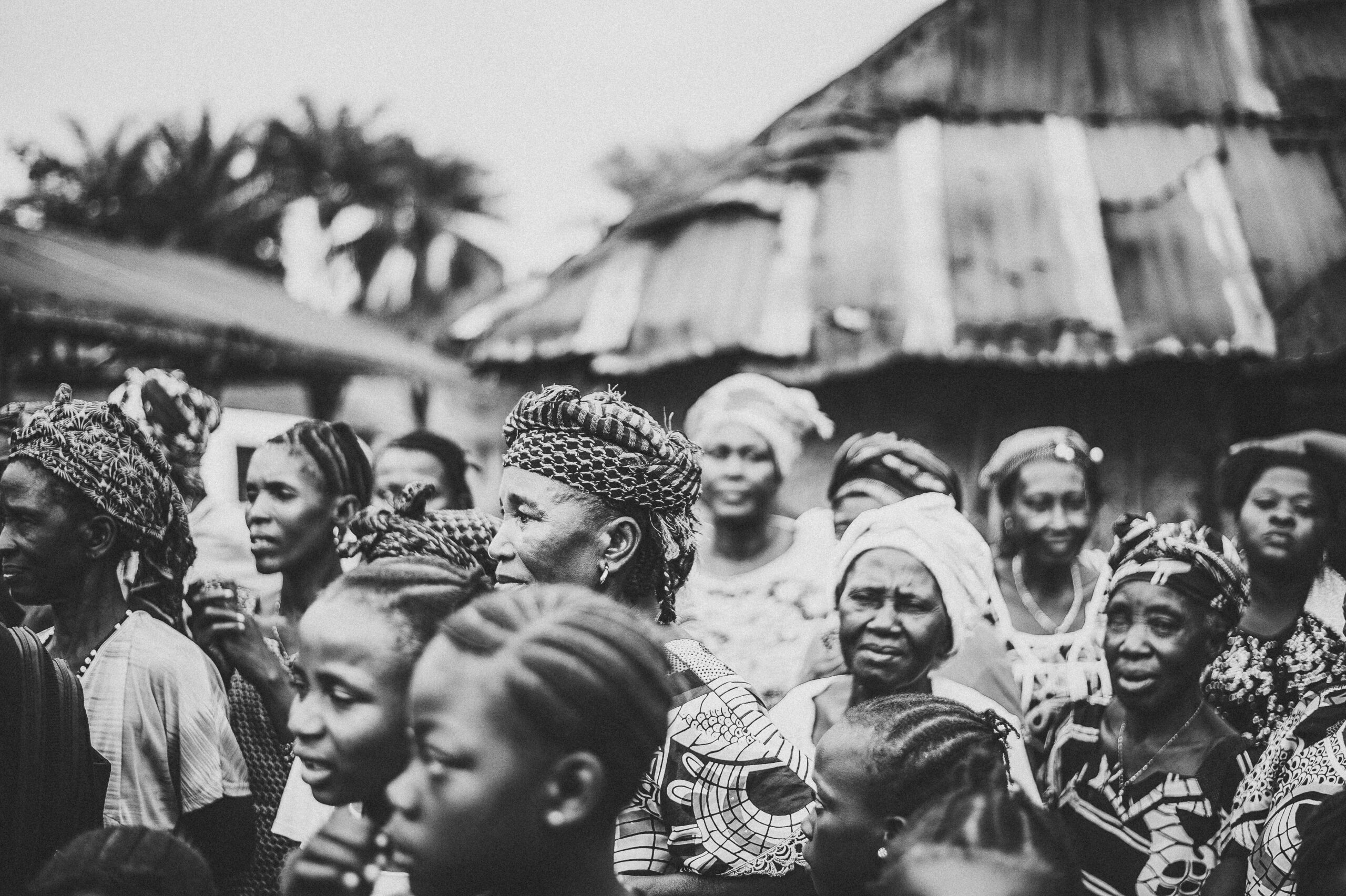
Haitian Flag Day, May 18th, is a vibrant celebration of a nation’s hard-won independence and the rich tapestry of its culture. It’s not just a day off; it’s a moment when Haitians, both at home and scattered across the globe, come together to honor their history, their resilience, and the unique artistic and intellectual spirit that defines them. Think of it as a big cultural party, a chance to share what makes Haiti special.
The very foundation of May 18th is the creation of the Haitian flag and the significance of that act. It’s a story born from revolution and a fierce desire for self-determination.
The Spark of Revolution and the Birth of a Nation
To understand May 18th, you have to go back to the Haitian Revolution. It was the only successful slave revolt in history, leading to the establishment of the first free black republic. This wasn’t a peaceful transition; it was a brutal, hard-fought struggle for freedom. The flag, in this context, wasn’t just a piece of cloth; it was a declaration to the world.
The Designers of Destiny: Boyer and Geffrard
While Jean-Jacques Dessalines is often credited with the initial proclamation of the flag, it was its later iterations that solidified its iconic design. The blue and red, originally separated, were unified horizontally. Henri Christophe’s reign saw the blue and red side-by-side, horizontal stripes. However, it was during the presidency of Jean-Pierre Boyer that the horizontal blue and red stripes became the official flag. Later, during the rule of Fabre Geffrard, the coat of arms was added, featuring a palm tree, cannons, and a banner proclaiming “L’Union Fait la Force” (Unity Makes Strength). This motto remains incredibly relevant.
The Meaning Behind the Colors and Symbols
The flag’s symbolism is deep. The blue represents the sky and the ocean, but also the former slaves who broke free from their chains. The red signifies the blood shed by those who fought for freedom. The coat of arms tells its own story: the palm tree, a symbol of freedom and victory; the cannons, ready for defense; and the all-important motto, a constant reminder that solidarity is key to Haiti’s strength, a lesson learned through bitter experience.
In exploring the vibrant celebrations of Haitian culture on May 18, it’s fascinating to consider how various aspects of this rich heritage are expressed through traditions and practices. One such aspect is the use of natural products that are integral to daily life and beauty rituals. For instance, the article on black castor oil highlights its significance in promoting overall hair health, which is a common practice among many Haitians. You can read more about this connection in the article here: Black Castor Oil for Promoting Overall Hair Health.
Beyond the Borders: Haitian Flag Day Around the World
Haitian Flag Day isn’t confined to Haiti itself. The vast Haitian diaspora ensures that this significant date is marked with fervor in communities across the globe, particularly in places with large Haitian populations.
New York City: A Microcosm of Haitian Pride
New York, especially areas like Brooklyn, becomes a vibrant hub of Haitian culture during May 18th. The streets come alive with parades featuring traditional music, elaborate costumes, and a palpable sense of national pride. Food vendors offer authentic Haitian cuisine, from griot to diri djon djon, allowing attendees to taste their heritage. It’s a chance for Haitians to connect with their roots and for others to experience Haitian culture firsthand.
Miami: A Celebration of Resilience and Art
Miami, another city with a substantial Haitian community, mirrors the energy of New York. Festivities often include cultural exhibitions, musical performances by popular Haitian artists, and community gatherings. These events are designed not only to celebrate but also to educate and remind younger generations of their ancestral heritage and the struggles that paved the way for their freedoms.
Canada and France: Echoes of the Tricolore
In Canada, especially in Montreal, and in France, where Haitian communities are well-established, May 18th is observed with similar enthusiasm. While the specific events might vary, the core sentiment remains the same: honoring Haiti’s independence, celebrating its rich culture, and strengthening the bonds of community. These celebrations often include religious services acknowledging the historical significance of the day, followed by cultural programs.
The Rhythms of Resilience: Music and Dance on May 18th

Music and dance are intrinsically woven into the fabric of Haitian culture, and these art forms take center stage on Flag Day. They are not just entertainment; they are powerful expressions of identity, history, and emotion.
Compas Direct: The Heartbeat of Modern Haiti
Compas, or Konpa, is the dominant musical genre in Haiti and a huge part of Flag Day celebrations. Its infectious rhythm, often played by live bands, gets everyone on their feet. Compas music, with its blend of Caribbean, African, and European influences, tells stories of love, life, and sometimes, social commentary. On May 18th, you’ll hear classic Compas tunes as well as contemporary hits, all fueling the celebratory atmosphere.
Traditional Rhythms: Vodou Drums and Folkloric Dances
Beyond Compas, traditional Haitian music and dance play a vital role. Vodou ceremonies, while often misunderstood, are a significant part of Haitian spiritual and cultural life. The powerful drumming associated with Vodou rituals, meant to invoke spirits and tell stories, can be heard during flag day events. Folkloric dance troupes often perform dances that depict historical events, daily life, or spiritual themes, showcasing the country’s rich artistic heritage passed down through generations.
The Drums of Freedom: Rara and Other Traditional Ensembles
Rara bands, a unique Haitian tradition involving a procession of musicians playing homemade instruments like bamboo trumpets and hollowed-out gourds, are a common sight and sound on or around Flag Day. These ensembles, often associated with Carnival but also appearing on other significant dates, create a distinctive, echoing sound that travels for miles. Their performances are a vibrant display of a living, breathing musical tradition deeply rooted in the land.
A Taste of Home: Culinary Traditions on Display

Food is central to any celebration, and Haitian Flag Day is no exception. It’s a delicious opportunity to connect with heritage through flavorful dishes that have been perfected over centuries.
Griot and Diri ak Djon Djon: Iconic Flavors
Griot, tender pieces of fried pork, is a quintessential Haitian dish and a must-have at any celebration. Its crispy exterior and succulent interior are legendary. Another staple is Diri ak Djon Djon, a black mushroom rice dish that gets its distinctive color and earthy flavor from dried mushrooms. These dishes are more than just food; they are edible pieces of Haitian history and identity.
Pâtés and Banann Peze: Everyday Delights Elevated
Beyond the main courses, smaller bites like Pâtés (savory pastries filled with meat or vegetables) and Banann Peze (twice-fried plantains) are crowd-pleasers. These accessible yet delicious items are often found at street vendors and community gatherings, allowing everyone to partake in the culinary festivities.
The Importance of Shared Meals
For Haitians, sharing a meal is a profound act of community and connection. Flag Day celebrations often involve large potlucks or community feasts where families and friends gather to enjoy these traditional dishes. It’s a way to pass down culinary knowledge and strengthen social bonds, a fundamental aspect of Haitian culture.
Haitian culture is vibrantly celebrated on May 18, a day that honors the country’s flag and its rich heritage. This celebration not only highlights the importance of national pride but also showcases the unique traditions and customs that define Haitian identity. For those interested in exploring the broader context of cultural significance in various regions, a related article discusses the historical importance of spices, including clove, in shaping culinary practices and cultural rituals. You can read more about it in this insightful piece on the cultural and historical significance of clove.
Expressions of Identity: Art, Poetry, and Intellectual Discourse
| Event | Description |
|---|---|
| Flag Day | Celebrated with parades, music, and dance to honor the creation of the Haitian flag in 1803. |
| Art Exhibitions | Showcasing Haitian art and crafts, including paintings, sculptures, and handcrafted items. |
| Cultural Performances | Showcasing traditional Haitian music, dance, and storytelling. |
| Food Festivals | Featuring traditional Haitian cuisine such as griot, diri ak djon djon, and pikliz. |
Haitian Flag Day is also a time to celebrate the nation’s profound artistic and intellectual contributions to the world. It’s a moment to recognize the creativity that has flourished despite numerous challenges.
Haitian Art: A Legacy of Color and Symbolism
Haitian art is renowned globally for its vibrant colors, intricate details, and often, its mystical or socially conscious themes. On Flag Day, exhibitions showcasing paintings, sculptures, and other art forms are common. These displays highlight the unique perspectives and storytelling embedded in Haitian visual arts, from the naive style to more contemporary expressions.
Literature on Resilience and Identity
Haiti has a rich literary tradition, with writers using poetry, novels, and essays to explore themes of identity, history, resistance, and the human spirit. During Flag Day events, readings of Haitian literature, both classic and contemporary, are often organized. This serves as a reminder of the power of words to preserve memory, foster understanding, and inspire future generations. It’s an intellectual celebration that complements the more outwardly festive aspects of the day.
The Enduring Power of Intellectual Thought
Haitian intellectuals, thinkers, and activists have historically played a crucial role in shaping national identity and advocating for social justice. Flag Day provides a platform to acknowledge this intellectual heritage through discussions, lectures, and panel events. These gatherings explore Haiti’s past, present, and future, offering insights into the complexities and strengths of the nation and its people.
Haitian culture is rich and vibrant, especially during the celebration of May 18, which honors the creation of the Haitian flag. This day is marked by various festivities that showcase the nation’s history, music, and culinary traditions. To delve deeper into the significance of Haitian cuisine, you might find it interesting to explore how traditional cooking methods, such as using a mortar and pestle, play a vital role in creating authentic flavors. For more insights on this topic, you can read about it in this article on mortar and pestle.
Honoring the Past, Building the Future: The Deeper Meaning of May 18th
May 18th is much more than just a historical commemoration. It’s a dynamic affirmation of Haitian identity, a testament to resilience, and a hopeful look towards the future.
A Day of Remembrance and Reflection
At its heart, Flag Day is a day to remember the sacrifices made for independence. It’s a time for reflection on the struggles Haiti has faced and overcome, acknowledging the historical context of its creation. This remembrance is not about dwelling on the past negatively, but about honoring the ancestors and learning from their strength.
Celebration of Culture as a Source of Strength
For Haitians, culture is a powerful source of pride and resilience. The music, the food, the art – these are not mere traditions; they are the threads that bind the community together and provide an anchor in times of difficulty. Flag Day amplifies this, showcasing the vibrant elements of Haitian culture to the world and reinforcing their importance to the Haitian people.
Inspiring Future Generations
By actively celebrating May 18th, Haitians ensure that their history, their triumphs, and their unique cultural contributions are passed down to younger generations. It’s about instilling a sense of pride and belonging, encouraging them to embrace their heritage and contribute to the ongoing narrative of Haiti. The day serves as a living history lesson, engaging and inspiring those who will shape Haiti’s future.
FAQs
What is the significance of May 18 in Haitian culture?
May 18 is celebrated as Haitian Flag Day, which commemorates the creation of the Haitian flag in 1803. It is a symbol of independence and unity for the Haitian people.
How is Haitian Flag Day celebrated?
Haitian Flag Day is celebrated with parades, music, dancing, and the display of the Haitian flag. It is a day for Haitians to come together and honor their heritage and history.
What are some traditional Haitian cultural elements that are highlighted on May 18?
On Haitian Flag Day, traditional Haitian music, dance, and cuisine are often showcased. There may also be performances of traditional folklore and storytelling.
Why is the Haitian flag important to Haitian culture?
The Haitian flag is a symbol of pride, resilience, and freedom for the Haitian people. It represents the country’s history of overcoming oppression and fighting for independence.
Are there any specific customs or rituals associated with Haitian Flag Day?
On Haitian Flag Day, it is common for people to dress in the colors of the Haitian flag – red and blue – and to participate in cultural activities such as singing the national anthem and reciting patriotic poems.
No responses yet