
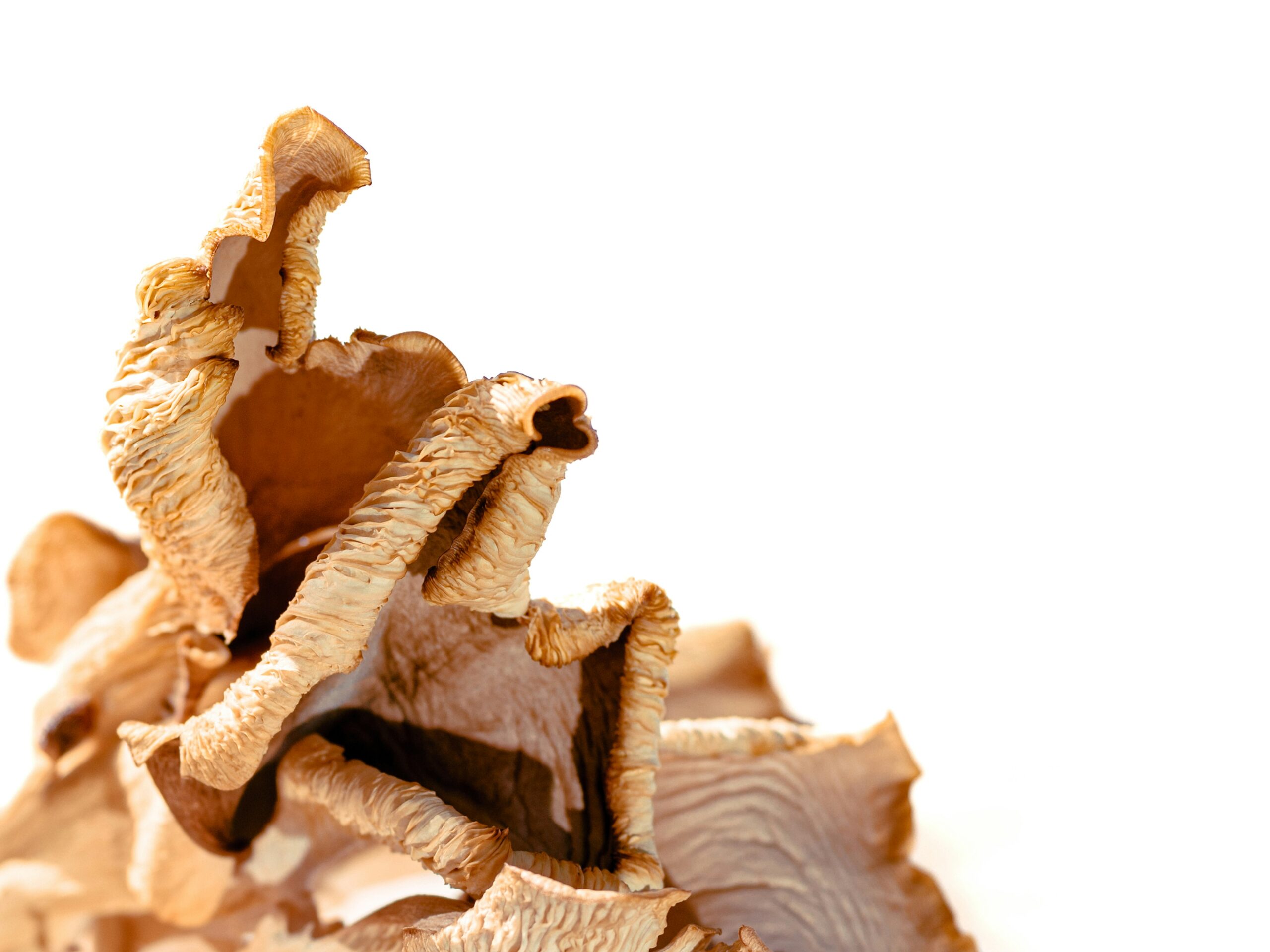
So, you want to make Djon Djon rice, huh? Good choice! It’s a Haitian staple, known for its unique earthy flavor and beautiful dark color, thanks to those dried black mushrooms. Don’t be intimidated; it’s actually quite straightforward once you get the hang of it. Think of it less like a complicated culinary feat and more like a flavorful rice dish with a secret ingredient. The core idea is to infuse water with the mushrooms, then use that flavorful liquid to cook your rice. It’s not just rice and mushrooms, though; a good Djon Djon dish involves a medley of spices and often some protein, making it a complete and satisfying meal.
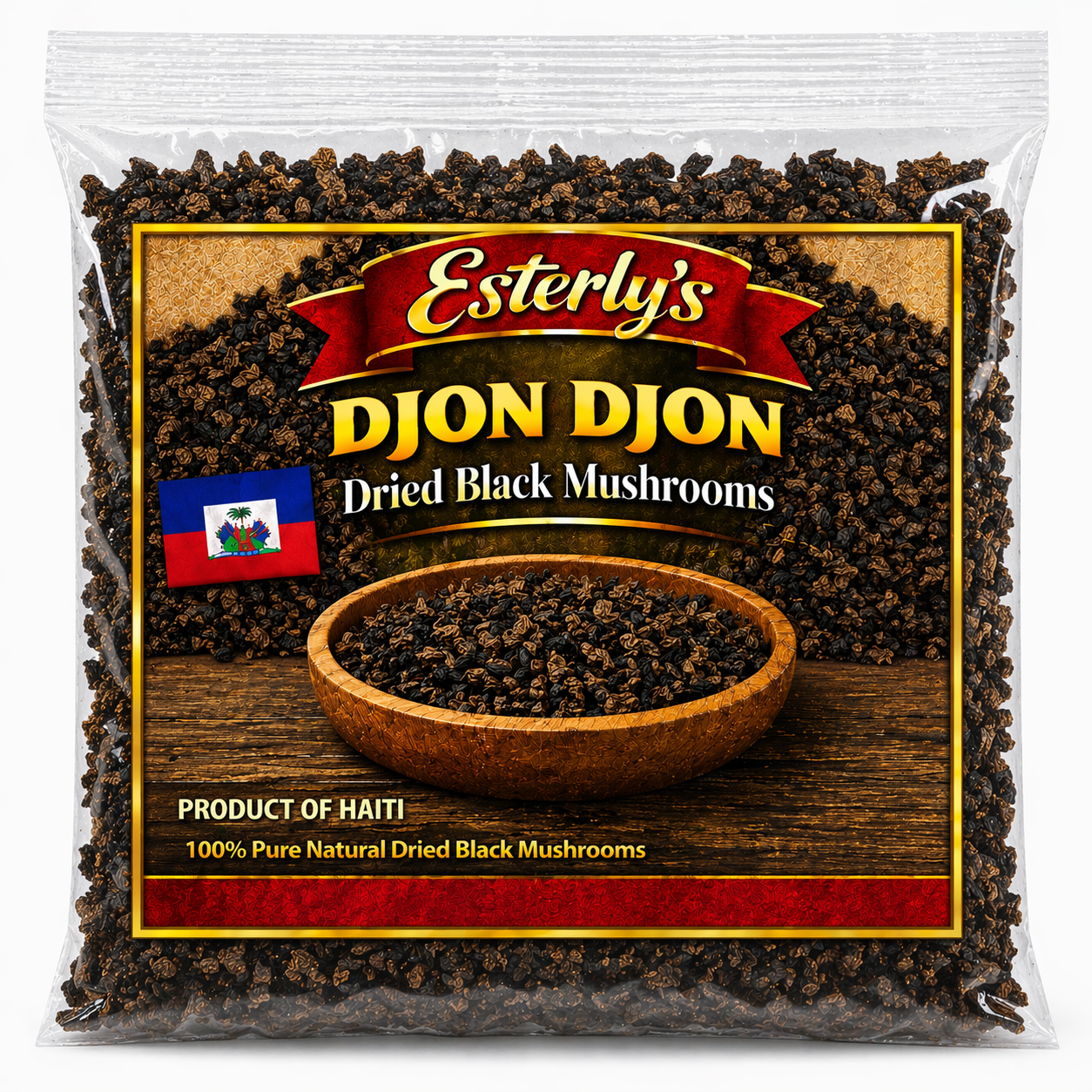
Djon Djon refers to a specific type of dried black mushroom, Psathyrella coprinoides, native to Haiti. These aren’t your typical grocery store fungi. They’re tiny, shriveled, and incredibly potent in flavor and color. When steeped in hot water, they release a deep, umami-rich essence and a striking dark brown to black pigment, which is what gives Djon Djon rice its distinctive appearance and taste.
The Flavor Profile: Earthy & Umami
Imagine a woody, slightly savory, and deeply mushroomy aroma that permeates every grain of rice. That’s Djon Djon. It’s not an in-your-face mushroom flavor but a sophisticated, foundational one. It adds depth without overpowering the other ingredients. If you’re a fan of rich, savory dishes, this is definitely for you.
Beyond the Plate: A Cultural Icon
In Haiti, Djon Djon rice isn’t just food; it’s part of the fabric of celebrations and everyday life. It’s often served at special occasions, family gatherings, and Sunday dinners. Making it is a way to connect with Haitian culture and traditions, even if you’re thousands of miles away. It’s a dish that carries stories and history.
If you’re interested in exploring more about Haitian culinary traditions, you might find the article on Haitian Djon Djon rice particularly enlightening. This dish not only showcases the unique flavors of Haitian cuisine but also highlights the cultural significance of ingredients like black mushrooms. For those looking to enhance their beauty routine with natural products, you can also check out the article on hair care secrets using Haitian black castor oil, which complements the rich heritage of Haitian ingredients. You can read more about it here: Unlocking Healthy Locks: Hair Care Secrets with Haitian Black Castor Oil.
Sourcing Your Djon Djon Mushrooms
This is arguably the most crucial step because without the right mushrooms, you simply won’t get authentic Djon Djon rice. You won’t find these in your average supermarket.
Where to Find Authentic Djon Djon
Your best bet is a specialty Caribbean or Haitian grocery store. Many larger cities with a Haitian diaspora will have at least one. If you’re not near one, don’t despair. Online retailers are increasingly stocking Djon Djon mushrooms. Do a quick search for “dried Djon Djon mushrooms” or “Haitian black mushrooms online.” Ensure they look dark, somewhat shriveled, and are labeled as Djon Djon or Psathyrella coprinoides.
How to Identify Quality Djon Djon
Good quality Djon Djon should be very dark, almost black, and have a distinct earthy, slightly woody scent even when dry. Avoid anything that looks dusty, overly crumbly, or has an off smell. The mushrooms come in small, irregularly shaped pieces, sometimes with bits of stem attached. That’s perfectly normal. They are dried and meant to be infused, not typically eaten whole in the rice itself.
The Essential Ingredients (Beyond the Mushrooms)

While Djon Djon is the star, the supporting cast makes the dish truly shine.
The Rice: What Works Best
Long-grain white rice is the traditional choice. Basmati or jasmine rice works wonderfully because their individual grains cook up nicely separate and fluffy, which is what you want for Djon Djon. Avoid sticky or short-grain rice, as it can turn the dish mushy.
Aromatics & Flavor Boosters
This is where the magic happens for the overall profile.
Epis: The Haitian Flavor Base
If you’re serious about Haitian cooking, you need to know about Epis. It’s a blended mixture of herbs, garlic, onions, and peppers, similar to a sofrito or mirepoix, but with a distinct Haitian twist. You can find pre-made Epis in Haitian markets, or you can easily make your own. A basic Epis often includes garlic, onion, bell pepper (usually green), parsley, thyme, Scotch bonnet or habanero pepper (use sparingly if sensitive to heat), and sometimes a bit of lime or vinegar. Having this on hand makes a huge difference.
Other Key Spices
- Cloves (whole): A few whole cloves add a subtle, warm aroma that complements the mushrooms beautifully.
- Thyme (fresh or dried): Fresh thyme sprigs are fantastic here, but good quality dried thyme works too.
- Green Onions (scallions): Used for both flavor in the cooking and as a fresh garnish.
- Bell Pepper: Adds a touch of sweetness and freshness.
- Butter or Oil: For sautéing the aromatics.
- Salt & Pepper: To taste, of course.
- Maggi/Bouillon Cube (optional but common): Many Haitian cooks use a chicken or vegetable bouillon cube for an extra punch of umami. If you’re going for maximum authenticity, it’s a good touch.
Step-by-Step: Making Djon Djon Rice

Alright, let’s get down to business. This isn’t a race; enjoy the process.
Step 1: Preparing the Djon Djon Broth
This is the non-negotiable first step.
Rinsing the Mushrooms
First, give your dried Djon Djon mushrooms a quick rinse under cold water. They can sometimes be a little dusty from drying and packaging. Don’t scrub them, just a gentle rinse.
Steeping for Flavor and Color
Place the rinsed Djon Djon mushrooms in a heatproof bowl or pot. Bring about 4-5 cups of water to a boil. Pour the boiling water over the mushrooms. Cover the bowl or pot and let it steep for at least 30 minutes, or even an hour. You’ll notice the water gradually turning a deep brown to almost black. This is exactly what you want. The longer it steeps, the more intense the color and flavor will be.
Straining the Broth
Once steeped, carefully strain the liquid into another clean bowl or pot, ensuring no mushroom bits or sediment pass through. You can use a fine-mesh sieve or even line a regular sieve with cheesecloth for extra precaution. Discard the spent mushrooms – their flavor is mostly gone, and their texture isn’t pleasant in the rice. You should have a richly colored, aromatic Djon Djon broth. This is your cooking liquid.
Step 2: Preparing Your Aromatics
While your Djon Djon is steeping, you can get all your other ingredients ready. This makes the cooking process much smoother.
Chopping and Mincing
- Finely mince your garlic.
- Dice your onion and bell pepper.
- Chop your fresh thyme (if using, otherwise measure dried).
- Slice your green onions, separating the white and light green parts from the darker green tops (the tops are often used for garnish).
- If using Epis, measure it out.
Rinsing the Rice
Wash your rice under cold running water until the water runs mostly clear. This removes excess starch, which helps prevent the rice from becoming overly sticky. Drain thoroughly.
Step 3: Building the Flavor Base
This is where all those wonderful aromatics come together.
Sautéing the Vegetables
In a large, heavy-bottomed pot or Dutch oven (the kind you’d use for cooking rice), heat a tablespoon or two of butter or oil over medium heat. Add the diced onions and bell peppers. Sauté for about 3-5 minutes until they start to soften and become translucent.
Adding the Epis and Spices
Add the minced garlic, the white and light green parts of the green onions, and your Epis (if using). If you’re not using Epis, this is the time to add any other individual spices like a pinch of dried thyme or a tiny bit of Scotch bonnet. Sauté for another 1-2 minutes until fragrant, being careful not to burn the garlic. If using a bouillon cube, crumble it in now and stir it around. Add a few whole cloves here if you’re using them.
Step 4: Cooking the Rice
The main event!
Toasting the Rice
Add your rinsed and drained long-grain rice to the pot with the sautéed aromatics. Stir well to coat all the grains of rice with the butter/oil and aromatics. Toast the rice for 1-2 minutes, stirring constantly. This step is often overlooked but it helps to develop flavor and ensures the rice grains separate nicely.
Adding the Djon Djon Broth
Carefully pour your strained Djon Djon broth into the pot with the rice and aromatics. This is the moment the rice gets its signature color. Make sure you have enough liquid; usually, it’s a 2:1 ratio of liquid to rice, but check your rice package for specific instructions. If you need a little more liquid beyond your broth, use hot water, but try to maximize the Djon Djon broth.
Seasoning and Bringing to a Boil
Add salt and freshly cracked black pepper to taste. Remember, the bouillon cube (if used) can be salty, so taste before adding too much salt. Bring the mixture to a rolling boil over medium-high heat.
Simmering to Perfection
Once it’s boiling, give it one final stir, reduce the heat to the lowest setting, and cover the pot tightly with a lid. Let it simmer undisturbed for about 15-20 minutes, or until all the liquid has been absorbed and the rice is tender. Resist the urge to lift the lid during this time – you’re letting the steam do its work.
Step 5: Finishing Touches
Almost there!
Fluffing the Rice
Once the cooking time is up, remove the pot from the heat and let it rest, still covered, for another 5-10 minutes. This allows the steam to redistribute and helps the rice separate. After resting, gently fluff the rice with a fork. You’ll see those individual, beautifully colored grains.
Garnishing
Garnish with the reserved green onion tops and perhaps a few fresh parsley sprigs if you like. A tiny drizzle of olive oil at the end is also a nice touch for sheen and flavor.
If you’re looking to elevate your culinary skills, you might find inspiration in the rich flavors of Haitian cuisine, particularly with the Djon Djon recipe. This unique dish not only showcases the distinctive taste of black mushrooms but also highlights the importance of spices in Haitian cooking. For a deeper understanding of how spices like clove, cinnamon, anise star, and nutmeg can enhance the flavors of your dishes, check out this insightful article on exploring the role of spices.
Variations and Protein Pairings
| Step | Description |
|---|---|
| 1 | Prepare dried black mushrooms by soaking them in water for at least 2 hours. |
| 2 | Boil the mushrooms in a pot of water for 15 minutes, then drain and set aside. |
| 3 | Sauté onions, garlic, and thyme in a pan until fragrant. |
| 4 | Add the mushrooms to the pan and cook for a few minutes. |
| 5 | Season with salt, pepper, and a bouillon cube, then add water and simmer for 20 minutes. |
| 6 | Serve the Djon Djon mushrooms as a side dish or over rice. |
While the basic Djon Djon rice is fantastic on its own, it’s often served with additions.
Simple Additions to the Rice
- Lima Beans (Pwa Rouj): Small red or lima beans are a very common addition to Djon Djon rice, adding texture and a little more substance. Add them (already cooked) during the last 5-10 minutes of rice cooking.
- Corn: Frozen or fresh corn kernels can add a pop of sweetness and color.
- Carrots: Diced carrots can also be added with the aromatics for extra vegetables.
What to Serve with Djon Djon Rice
Djon Djon rice is a versatile side or a complete meal.
- Poul Nan Sos (Chicken in Sauce): This is a classic pairing – tender chicken simmered in a rich tomato-based sauce.
- Fried Plantains (Bannan Frit): Sweet and savory, fried plantains are a perfect companion.
- Griyo (Fried Pork): Crispy, flavorful fried pork is another popular choice.
- Tassot de Dinde (Fried Turkey): Similar to griyo but with turkey.
- Fresh Avocado Slices: A simple and refreshing side.
- Pikliz: A spicy, tangy Haitian pickled cabbage relish that adds a fantastic kick and cuts through the richness of the rice.
Troubleshooting Common Djon Djon Issues
Even seasoned cooks have off days. Here are some quick fixes.
My Rice is Mushy!
This usually means too much liquid or the heat was too high. Ensure you’re measuring your liquid accurately and cooking on the lowest possible heat once covered. Rinsing the rice thoroughly also helps. Next time, try reducing the liquid by a quarter cup.
My Rice is Dry and Hard!
Not enough liquid, or you lifted the lid too often during cooking, allowing steam to escape. If it happens, you can try adding a splash of hot Djon Djon broth or water, covering tightly, and letting it steam for a few more minutes.
Not Enough Color/Flavor
This is usually down to insufficient steeping time for the mushrooms or not enough Djon Djon mushrooms for the amount of water. Make sure to steep your Djon Djon for at least 30 minutes, if not longer, and use a good concentration of mushrooms. Quality of the Djon Djon also plays a role.
Where’s the Heat?
If you prefer a spicier Djon Djon, you can add a whole Scotch bonnet pepper to the pot along with the liquid (don’t break it, or it will be very spicy), or finely mince a small piece of a hot pepper with the garlic and onions if you’re brave! Pikliz is also your friend here.
Enjoy Your Haitian Djon Djon Rice!
Making Djon Djon rice is a rewarding experience. It’s a dish that takes a little care and attention, but the unique flavor and vibrant cultural connection are absolutely worth it. Don’t be afraid to experiment a little once you have the basic technique down. Every Haitian household has its own slightly different version, so find what works best for you and your taste buds. Bon appétit!
Djon Djon for Tasty Diri Djon Djon
FAQs
What is Djon Djon?
Djon Djon is a type of mushroom that is commonly used in Haitian cuisine. It is known for its distinct flavor and is often used to make a flavorful broth for rice dishes.
What is a Haitian Djon Djon recipe?
A Haitian Djon Djon recipe typically involves cooking rice with Djon Djon mushrooms to create a flavorful and aromatic dish. The mushrooms are first rehydrated and then used to infuse the rice with their unique flavor.
What are the ingredients needed for a Haitian Djon Djon recipe?
The main ingredients for a Haitian Djon Djon recipe include Djon Djon mushrooms, rice, garlic, onions, thyme, scallions, and vegetable or chicken broth. Some recipes may also include other seasonings and spices for added flavor.
How do you make Haitian Djon Djon rice?
To make Haitian Djon Djon rice, the Djon Djon mushrooms are first rehydrated in water. The rice is then cooked with garlic, onions, thyme, and scallions, along with the rehydrated Djon Djon mushrooms and the broth. The dish is typically cooked until the rice is tender and has absorbed the flavors of the mushrooms and seasonings.
What are some tips for making Haitian Djon Djon rice?
Some tips for making Haitian Djon Djon rice include thoroughly rinsing the rice before cooking to remove excess starch, using a good quality broth for added flavor, and adjusting the seasonings to taste before serving. It’s also important to ensure that the Djon Djon mushrooms are fully rehydrated before adding them to the rice.
No responses yet