
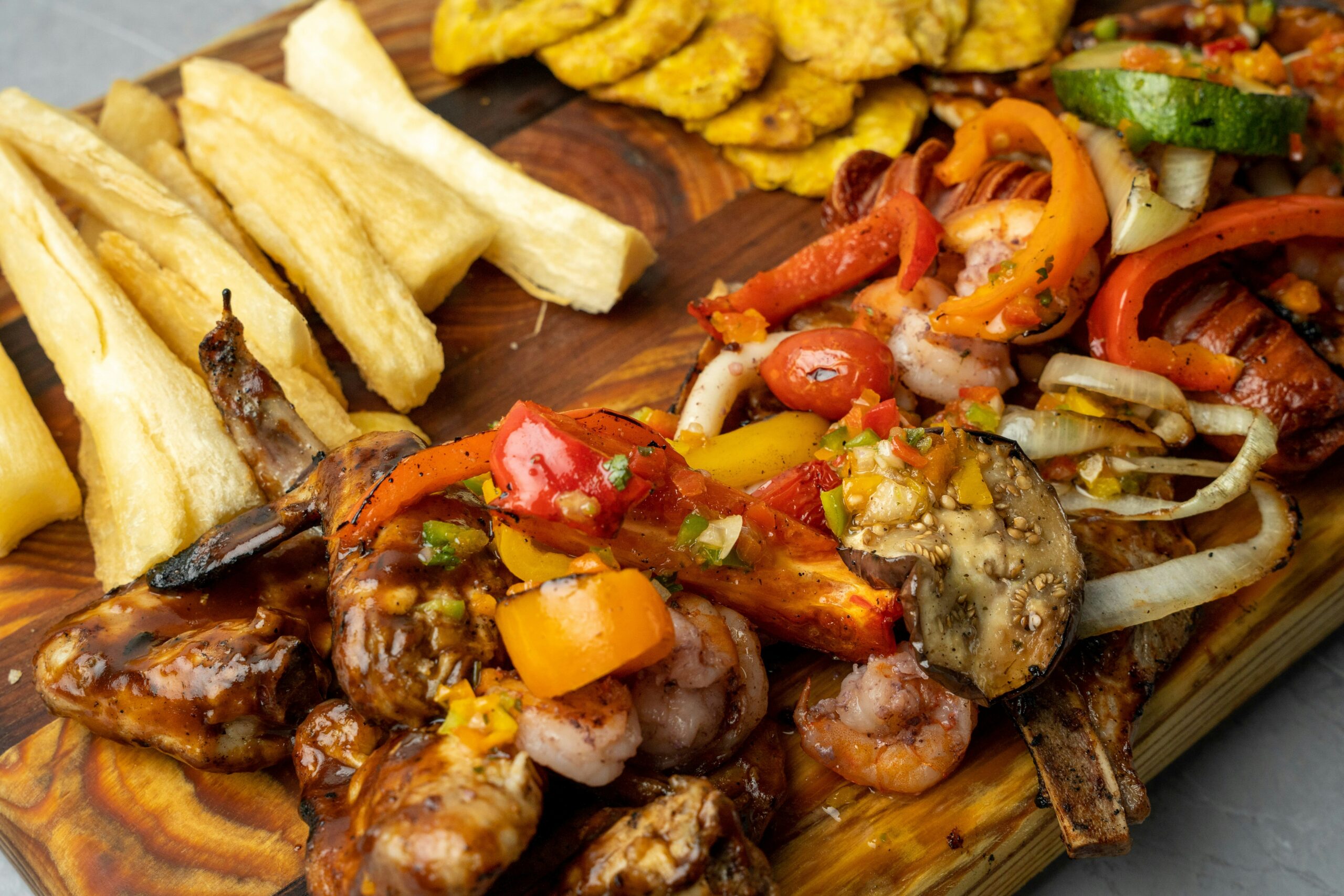
If you’re looking to dive into Haitian cooking, understanding the core ingredients is key. It’s not about having an exotic pantry, but rather knowing a few foundational items that give Haitian dishes their distinctive flavor. We’re talking about fresh, vibrant, and aromatic components that form the backbone of countless recipes.
Haitian cuisine relies heavily on fresh aromatics and a specific blend of spices to build its rich and complex flavor profiles. These are non-negotiable if you want to capture that authentic taste.
The Holy Trinity: Epis, Garlic, and Onion
“Epis” is perhaps the most crucial element in Haitian cooking. It’s a fresh, herbaceous seasoning paste that forms the base of nearly every savory dish. Think of it as a Haitian sofrito or mirepoix, but with a unique Caribbean twist.
- What goes in it? While recipes vary slightly from family to family, a typical epis includes fresh scallions (green onions), bell peppers (often green), garlic, parsley, thyme, and hot peppers (like Scotch bonnet or habanero) for a kick. Some might add a bit of white vinegar or sour orange juice to help preserve it and add tang.
- How to use it: You’ll use epis to marinate meats and seafood, season rice, flavor stews, and enrich sauces. It’s almost always the first thing that hits the hot oil when you start cooking. Making a big batch and storing it in the fridge (or even freezing portions) is a smart move for efficient cooking.
- Garlic and Onion: Even outside of epis, fresh garlic and onion play prominent roles. Minced garlic fried until fragrant often kicks off many dishes, and sliced or chopped onions are frequently added for their sweetness and depth. Don’t skimp on these; they provide a savory backbone.
The Spice Rack Essentials: A Focused Few
Unlike some cuisines that use a vast array of individual spices, Haitian cooking often relies on a few key players and a prepared seasoning blend.
- Bouillon Cubes (Maggi or Knorr): This might surprise some, but bouillon cubes, especially chicken or beef flavors, are incredibly common in Haitian kitchens. They’re used not just for broth, but as a seasoning agent to add umami and saltiness to stews, rice, and meat dishes. It’s a quick way to boost flavor.
- Adobo Seasoning: Another popular prepared blend, Adobo seasoning (without adobo) typically contains garlic powder, onion powder, oregano, black pepper, and salt. It’s a versatile all-purpose seasoning used liberally on meats before cooking or added to rice and beans.
- Thyme (Fresh or Dried): Fresh thyme is often part of epis, but dried thyme is also widely used. Its earthy, slightly minty flavor is characteristic of Haitian stews, soups, and marinades.
- Whole Cloves: Less common than thyme, but whole cloves make an appearance in some meat preparations, particularly pork, and occasionally in rice dishes for a subtle, warm aroma. They are used sparingly due to their strong flavor.
- Black Pepper: A universal seasoning, black pepper is, naturally, a staple in Haitian cooking. Freshly ground is always preferable for its punchier flavor.
For those interested in exploring the rich flavors of Haitian cuisine, it’s essential to understand the key ingredients that form the foundation of many traditional dishes. A related article that delves deeper into one of these vital components is “The Versatility of Bulgur Wheat in Haitian Cooking.” This article highlights how bulgur wheat can be incorporated into various recipes, enhancing both texture and nutrition. To learn more about this ingredient and its uses, you can read the full article here: The Versatility of Bulgur Wheat in Haitian Cooking.
The Pantry Staples: Grains, Legumes, and Fats
These are the workhorses of the Haitian kitchen, providing the bulk and sustenance for most meals. They’re usually affordable and have a good shelf life.
Rice, The Unquestioned King
Rice is non-negotiable. It’s the primary starch, served with just about every main dish.
- Long-Grain White Rice: This is the most common variety. It cooks up fluffy and separate, making it ideal for pairing with saucy stews or just eating plain with beans. Learning to cook rice well is a fundamental Haitian cooking skill.
- Rice and Beans (Diri ak Pwa): This is a national dish and comes in many variations. It often involves cooking the rice with stewed beans (black beans are popular, but red or pinto are also used), sometimes with a bit of tomato paste, epis, and bouillon.
Beans, The Protein Powerhouse
Beans are a cornerstone of the Haitian diet, offering an affordable and nutritious source of protein.
- Dried Black Beans (Pwa Nwa): These are particularly popular, forming the base for the iconic “diri ak pwa nwa” (rice and black beans). They are often stewed until tender and flavorful.
- Dried Red Kidney Beans (Pwa Wouj): Another common choice, red kidney beans are used interchangeably with black beans in many dishes, offering a slightly different flavor and color.
- Pinto Beans (Pwa Pinto): Also seen, though less frequently than black or red beans, pinto beans are used in similar applications, often stewed and served with rice.
Cooking Oils: The Everyday Essential
Fats are necessary for sautéing aromatics, frying meats, and enriching dishes.
- Vegetable Oil (or Neutral Oil): A basic, all-purpose cooking oil like vegetable, canola, or corn oil is most commonly used for frying, sautéing, and general cooking.
- Coconut Oil (for specific dishes): While not an everyday oil for all dishes, coconut oil finds its way into some regional specialties, particularly those with a coastal influence or where a specific flavor is desired. It’s less prevalent than neutral oils.
The Produce Aisle: Freshness and Flavor

Haitian cooking shines with fresh produce. These items contribute freshness, tang, and vital components to the overall flavor profile.
The Citrus Crew: Tang and Brightness
Citrus is widely used in Haitian cooking, not just for flavor but also for marinades.
- Sour Orange (Zoranj Sè): This is the holy grail. Sour orange is a distinctive citrus fruit that provides a unique tartness and aroma. It’s absolutely essential for marinating meats, especially chicken and pork, as it tenderizes and imparts a deep flavor. If you can’t find it, a good substitute is a mix of orange juice, lime juice, and a splash of grapefruit juice.
- Lime: Fresh lime juice is used liberally, often alongside or in place of sour orange for marinades, to brighten up dishes, or for refreshing drinks. It’s a staple for balancing rich flavors.
Hot Peppers: The Essential Heat
Haitian food often has a noticeable, but not overwhelming, kick.
- Scotch Bonnet or Habanero Peppers: These are the primary sources of heat. They are used whole in stews for a slow release of spice, or minced and added to epis. Their fruity, floral heat is distinctive. Handle with care!
- Piman Bouk (Haitian Chili): This specific variety of hot pepper is incredibly popular, often fermented or pickled to create a condiment called “piman bouk” (literally “goat pepper”). It’s usually served on the side for diners to add more heat to their individual taste.
The Other Vegetables: Supporting Cast
While not always starring, these vegetables are frequently present in stews, soups, and side dishes.
- Bell Peppers (Piman Dou): Green bell peppers are a common component of epis, but red and yellow bell peppers are also used in stews for color and sweetness.
- Tomatoes (Tomat): Fresh tomatoes are used in stews and sauces for their acidity and body. Tomato paste is also widely employed to deepen color and flavor.
- Scallions (Zonyon Vèt): Absolutely essential for epis, and also used as a fresh garnish for many dishes.
- Parsley: Another key component of epis, fresh parsley adds an herbaceous, slightly peppery note.
- Carrots (Kawòt): Diced carrots are often added to stews and soups for sweetness, texture, and color.
- Cabbage (Chou): A versatile and affordable vegetable, cabbage is used in salads, stews, and the popular side dish, diri ak chou (rice with cabbage).
- Pumpkin/Squash (Joumpou): Various types of squash, particularly pumpkin, are central to the iconic Soup Joumou (Pumpkin Soup), but also appear in stews and other preparations for their sweetness and thickening properties.
The Proteins: Meats, Poultry, and Seafood

Meats and poultry feature prominently in Haitian cuisine, often cooked until tender and falling off the bone. Seafood is also a common protein source, especially in coastal regions.
Poultry: Chicken Reigns Supreme
Chicken is arguably the most consumed meat in Haiti.
- Whole Chicken (cut into pieces): Chicken pieces are always marinated meticulously, often in sour orange and epis, before being stewed, fried, or grilled. “Poul fri” (fried chicken) and “poul an sòs” (chicken in sauce) are incredibly popular.
Pork: A Flavorful Favorite
Pork is highly valued for its rich flavor and versatility.
- Pork Shoulder or Leg: These cuts are common. “Griot” (fried pork) is a national delicacy, involving marinating, boiling, and then frying pork until crispy and tender. Pork with epis and sour orange is a classic combination.
Beef: Hearty and Satisfying
Beef is used for stews and other hearty dishes.
- Stewing Beef (Boeuf Boukané): Cuts like chuck or round are common, often stewed until fork-tender in a rich sauce with vegetables and spices. “Tasot kabrit” (fried goat) is also popular, often cooked similarly to griot.
Seafood: Coastal Delights
For those near the coast, fresh seafood is a staple.
- Fish (Pwason): Whole fish, often snapper or other firm white fish, are commonly fried (“pwason fri”) or stewed in a rich tomato-based sauce (“pwason an sòs”). Marinated with lime and epis, it’s a simple yet delicious preparation.
- Shrimp (Kribich): Shrimp are often sautéed with epis and served in sauces or with rice.
If you’re looking to elevate your culinary skills with authentic flavors, exploring the essential Haitian cooking ingredients every kitchen needs is a great start. To further enhance your understanding of these ingredients, you might find it helpful to read about the various traditional Haitian dishes that utilize them. This article delves into the rich culinary heritage of Haiti and provides insights on how to incorporate these ingredients into your meals. For more information, check out this insightful piece on traditional Haitian dishes.
The Less Obvious but Still Important
| Ingredient | Description |
|---|---|
| Rice | A staple in Haitian cuisine, often served with beans, meat, or vegetables. |
| Black Beans | Commonly used in soups, stews, and rice dishes. |
| Epis | A seasoning blend made with garlic, peppers, and other herbs and spices. |
| Scotch Bonnet Peppers | Provides heat and flavor to many Haitian dishes. |
| Thyme | Used to add a savory and earthy flavor to various dishes. |
| Onions | Commonly used as a base for many Haitian recipes. |
| Garlic | Provides a pungent and aromatic flavor to Haitian dishes. |
These items might not be in every dish, but they contribute distinct flavors or textures when they appear.
A Touch of Sweetness: Sugar and Ketchup
While not a dessert-heavy cuisine in the main dishes, a touch of sweetness can balance flavors.
- Sugar: A pinch of sugar is sometimes added to tomato-based sauces or certain stews to cut acidity and round out flavors. It’s not about making things sweet, but about balancing.
- Ketchup: Yes, ketchup. It might seem odd, but many Haitian cooks add a tablespoon or two of ketchup to stews or sauces for a touch of sweetness, tang, and color. It’s often used alongside tomato paste.
Evaporated Milk: A Creamy Addition
Evaporated milk is used in a few specific applications.
- For Sauces and Soups: It can add richness and a creamy texture to certain sauces, like some variations of “mayi moulen” (cornmeal porridge). It’s also found in some drinks and desserts.
Having these ingredients in your kitchen provides a sturdy foundation for exploring the vibrant and comforting world of Haitian cuisine. It’s less about finding obscure spices and more about understanding how a relatively small set of fresh, high-quality components are combined to create incredible depth of flavor. Start with the epis, master your rice and beans, and you’re well on your way.
FAQs
What are essential Haitian cooking ingredients?
Some essential Haitian cooking ingredients include pikliz (spicy pickled vegetables), epis (a seasoning blend), thyme, scotch bonnet peppers, and Haitian pikliz (a spicy coleslaw).
Where can I find these essential Haitian cooking ingredients?
You can find essential Haitian cooking ingredients at specialty Caribbean grocery stores, online retailers, or in the international section of larger supermarkets.
How are these essential Haitian cooking ingredients used in Haitian cuisine?
Pikliz is often used as a condiment or side dish, epis is used as a base seasoning for many dishes, thyme is used to add flavor to meats and stews, scotch bonnet peppers add heat to dishes, and Haitian pikliz is used to add a spicy and tangy kick to meals.
Are these essential Haitian cooking ingredients difficult to find or substitute?
While some of these ingredients may be more difficult to find in non-Caribbean areas, they can often be substituted with similar items found in other cuisines. However, for an authentic Haitian flavor, it’s best to use the specified ingredients.
What are some popular Haitian dishes that use these essential ingredients?
Some popular Haitian dishes that use these essential ingredients include griot (fried pork), tasso kabrit (spicy goat stew), and diri djon djon (rice cooked with black mushrooms).
No responses yet