
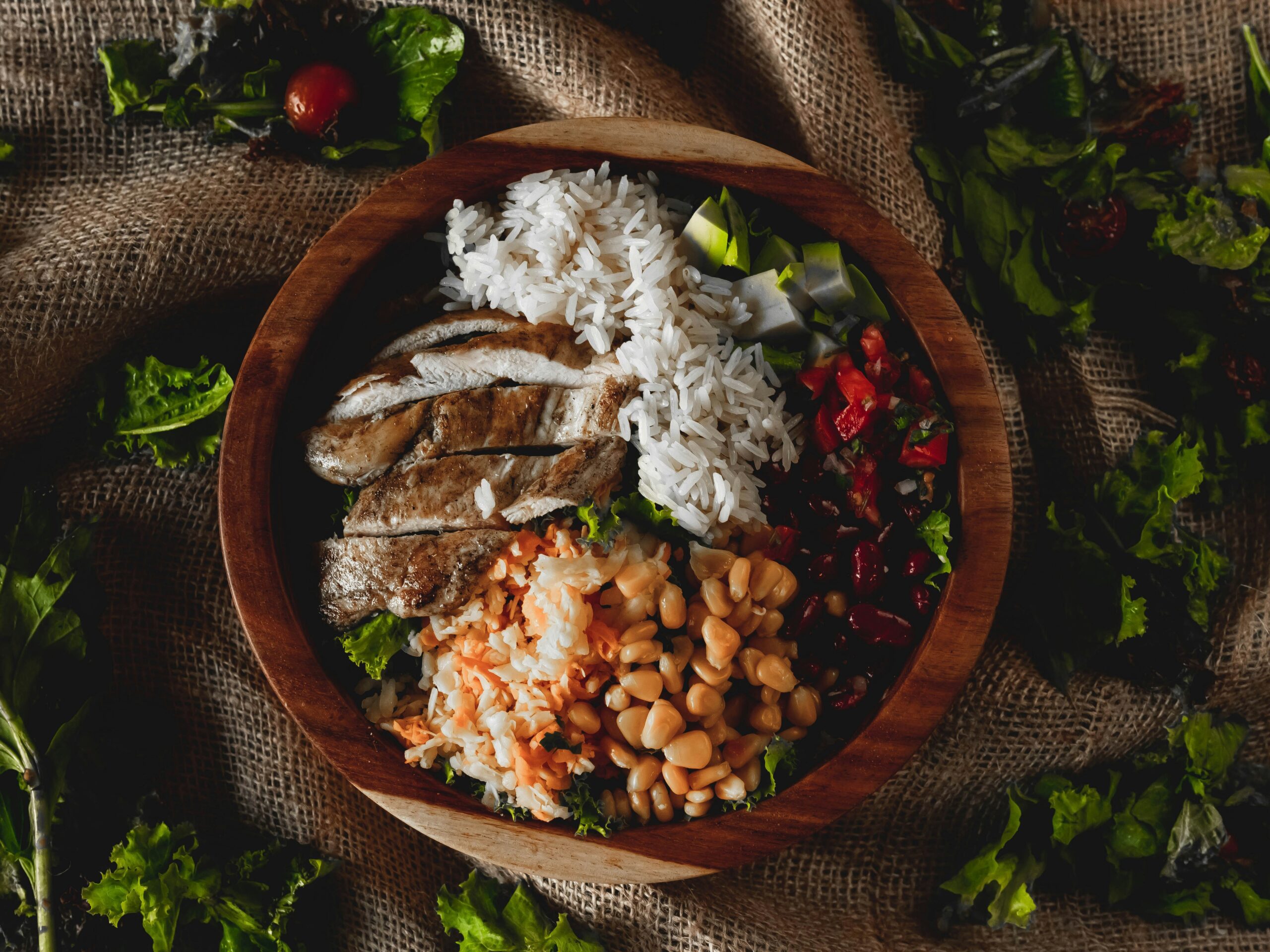
Lalo, for those unfamiliar, is a beloved Haitian dish, essentially a flavorful stew featuring jute leaves, meat (often beef or goat), and a rich tomato-based sauce. Think of it as a hearty, deeply savory greens and meat stew, and yes, you absolutely can make an authentic version right in your own kitchen. It might seem a bit daunting at first if you’re new to Haitian cooking, but with a good recipe and some patience, it’s quite achievable.
Lalo relies on a few key ingredients that give it its distinctive taste and texture. Getting these right is important for an authentic outcome.
Main Players: Jute Leaves and Meat
The jute leaves are non-negotiable. They’re often called “molokhia” in other cultures. You can typically find them frozen in many international or specialty grocery stores. If you find fresh, even better, but frozen is very common and perfectly fine. When it comes to the meat, beef chuck or goat are traditional choices. They stand up well to slow cooking and become wonderfully tender. Cut your meat into roughly 1-inch cubes.
The Aromatic Base: Haitian Epis
Epis is the foundational seasoning blend in Haitian cuisine. It’s a fresh, vibrant mix of peppers, garlic, herbs, and other aromatics. Making your own epis is highly recommended, as it truly elevates the dish.
Basic Epis Recipe:
- 1 medium onion, roughly chopped
- 6-8 cloves garlic, peeled
- 1 green bell pepper, deseeded and chopped
- 1 red bell pepper, deseeded and chopped (optional, for color)
- 1/2 cup fresh parsley
- 1/4 cup fresh thyme leaves
- 1-2 Scotch bonnet peppers (or habanero), deseeded and stemmed (adjust to your spice preference – omit if you prefer no heat)
- Juice of 1 lime
- 1/4 cup olive oil or neutral cooking oil
Blend all these ingredients in a food processor until a fine paste forms. You’ll likely need to scrape down the sides a few times. Don’t add water unless absolutely necessary to get it going, but oil usually does the trick. Store leftover epis in an airtight container in the fridge for up to a week, or freeze for longer storage.
Enhancing Flavors: Tomato Paste and Spices
Tomato paste adds depth and color to the sauce. You’ll want a good quality, concentrated paste. For spices, beyond the epis, you’ll generally use a combination of salt, black pepper, and sometimes a touch of bouillon powder (like Maggi or Knorr) for an extra layer of savory flavor. Some recipes also call for a bay leaf or a pinch of cloves.
If you’re interested in exploring the rich flavors of Haitian cuisine, you might also enjoy learning about the diverse culinary uses of coffee beyond just drinking it. This article delves into innovative ways to incorporate coffee into various dishes, enhancing their taste and aroma. You can read more about it in this insightful piece: Exploring the Culinary Uses of Coffee Beyond Drinking.
Preparing the Ingredients: A Step-by-Step Guide
Preparation is key to a smooth cooking process. Take your time with this stage.
Thawing and Preparing Jute Leaves
If using frozen jute leaves, thaw them completely in the refrigerator overnight or by running warm water over the sealed package. Once thawed, place them in a colander and gently squeeze out excess water. This helps prevent the stew from becoming watery. Some people also rinse them well, regardless of frozen or fresh, to ensure any bitterness is minimized.
Marinating the Meat
This step is crucial for flavor. In a large bowl, combine your cubed beef or goat with about 1/2 cup of your homemade epis. Add 1 teaspoon of salt and 1/2 teaspoon of black pepper. Mix thoroughly, ensuring all pieces of meat are coated. Cover the bowl and refrigerate for at least 30 minutes, or ideally, 2-4 hours. You can even marinate it overnight.
Chopping Aromatics
Besides the epis, you’ll want to have a medium onion and perhaps a few more cloves of garlic minced or finely chopped, ready for sautéing. These will go into the pot before the meat.
Cooking Lalo: The Process

Now for the enjoyable part – bringing it all together in a pot. A large, heavy-bottomed pot or Dutch oven is ideal for this.
Browning the Meat and Building the Base
Heat 2 tablespoons of neutral cooking oil in your pot over medium-high heat. Once the oil is shimmering, add your marinated meat in batches if necessary, to avoid overcrowding the pot. You want to brown the meat on all sides. This creates a rich flavor foundation. Remove the browned meat and set it aside.
In the same pot, reduce the heat to medium. Add your chopped onion and cook until softened and translucent, about 5-7 minutes. Stir in the additional minced garlic and cook for another minute until fragrant. Add 2 tablespoons of tomato paste and cook, stirring constantly, for 2-3 minutes. This step, called “cooking out” the tomato paste, deepens its flavor and color.
Simmering to Perfection: Developing Flavors
Return the browned meat to the pot. Stir to combine with the onion, garlic, and tomato paste. Add about 4-6 cups of water or beef broth, just enough to cover the meat. Bring the liquid to a boil, then reduce the heat to low, cover the pot, and simmer for at least 1-1.5 hours, or until the meat is tender. The exact time depends on the cut of meat. Check occasionally and stir.
Incorporating the Jute Leaves
Once the meat is tender, add the prepared jute leaves to the pot. Stir them gently into the stew. If the stew seems too thick, you can add a little more water or broth at this point, but be mindful not to make it overly soupy. The jute leaves will release some water as they cook down.
Continue to simmer, uncovered, for another 20-30 minutes, or until the jute leaves are fully cooked and the stew has thickened to your desired consistency. The leaves will become very tender and somewhat mucilaginous, which is characteristic of lalo.
Final Seasoning and Adjustments
Taste the lalo and adjust seasonings as needed. This is the time to add more salt, pepper, or a pinch of bouillon if you feel it needs it. Some people stir in a tablespoon of lime juice at the very end to brighten the flavors, but this is optional.
Serving Lalo: Traditional Pairings

Lalo is a substantial and satisfying meal on its own, but it’s traditionally served with specific accompaniments.
Rice, Plantains, and More
The most common pairing for lalo is plain white rice. The rice helps to absorb the rich sauce and provides a neutral base. You might also find it served with bannann peze (fried plantains) or even a side of pikliz, a spicy Haitian pickled cabbage relish, which offers a bright, tangy contrast to the stew.
Garnish Options
A simple sprig of fresh parsley can be a nice garnish, adding a touch of freshness and color. A fresh lime wedge on the side is also welcome for those who like to add a extra squeeze of citrus.
If you’re interested in exploring more about Haitian culture and cuisine, you might enjoy reading about the rich history of coffee cultivation in Haiti. This article delves into the significance of coffee in Haitian society and its impact on local traditions, complementing your culinary journey as you prepare the Authentic Haitian Lalo Recipe You Can Make at Home. To learn more, check out this insightful piece on the history of coffee in Haiti.
Tips for Success and Variations
| Ingredients | Quantity |
|---|---|
| Lalo leaves | 1 lb |
| Spinach | 1 lb |
| Water | 4 cups |
| Onion | 1, chopped |
| Garlic | 3 cloves, minced |
| Thyme | 1 tsp |
| Scotch bonnet pepper | 1, whole |
| Salt | To taste |
| Black pepper | To taste |
| Olive oil | 2 tbsp |
| Vegetable broth | 2 cups |
| White rice | 2 cups |
Making lalo is a rewarding experience. Here are a few pointers to help you along.
Sourcing Jute Leaves
As mentioned, frozen is the most common and often easiest way to find jute leaves outside of Haiti. Look for them in Asian, African, or Middle Eastern grocery stores. If you can’t find them, some people substitute with spinach or other green leafy vegetables, but be aware this will change the flavor and texture significantly and won’t be truly authentic.
Meat Variations
While beef and goat are traditional, chicken (dark meat cuts work best) can be used for a quicker cooking version. Some variations even include crab, shrimp, or smoked turkey. If using seafood, add it closer to the end of the cooking process to prevent it from becoming tough or overcooked.
Spice Level
The amount of Scotch bonnet or habanero in your epis dictates the spice level. If you’re sensitive to heat, start with a small amount or omit it entirely and offer a hot sauce on the side for those who prefer more fire. Remember to always handle hot peppers with gloves and wash your hands thoroughly afterward.
Achieving the Right Consistency
Lalo should be thick and hearty, not watery. If your lalo is too thin, you can simmer it uncovered for a longer period to allow the sauce to reduce. If it becomes too thick, a splash of water or broth will thin it out. The natural starches in the jute leaves will also contribute to the thickness.
Making Ahead and Storage
Lalo often tastes even better the next day, as the flavors have more time to meld. You can make a large batch and enjoy leftovers. Store cooled lalo in an airtight container in the refrigerator for up to 3-4 days. It also freezes well for up to 2-3 months. Thaw in the refrigerator overnight and reheat gently on the stovetop, adding a splash of water or broth if needed.
Making Haitian lalo at home is a way to connect with a rich culinary tradition. It might require a bit more effort than your average weeknight meal, but the outcome – a deeply flavorful, comforting, and authentic Haitian stew – is certainly worth it. Enjoy the process and the delicious results.
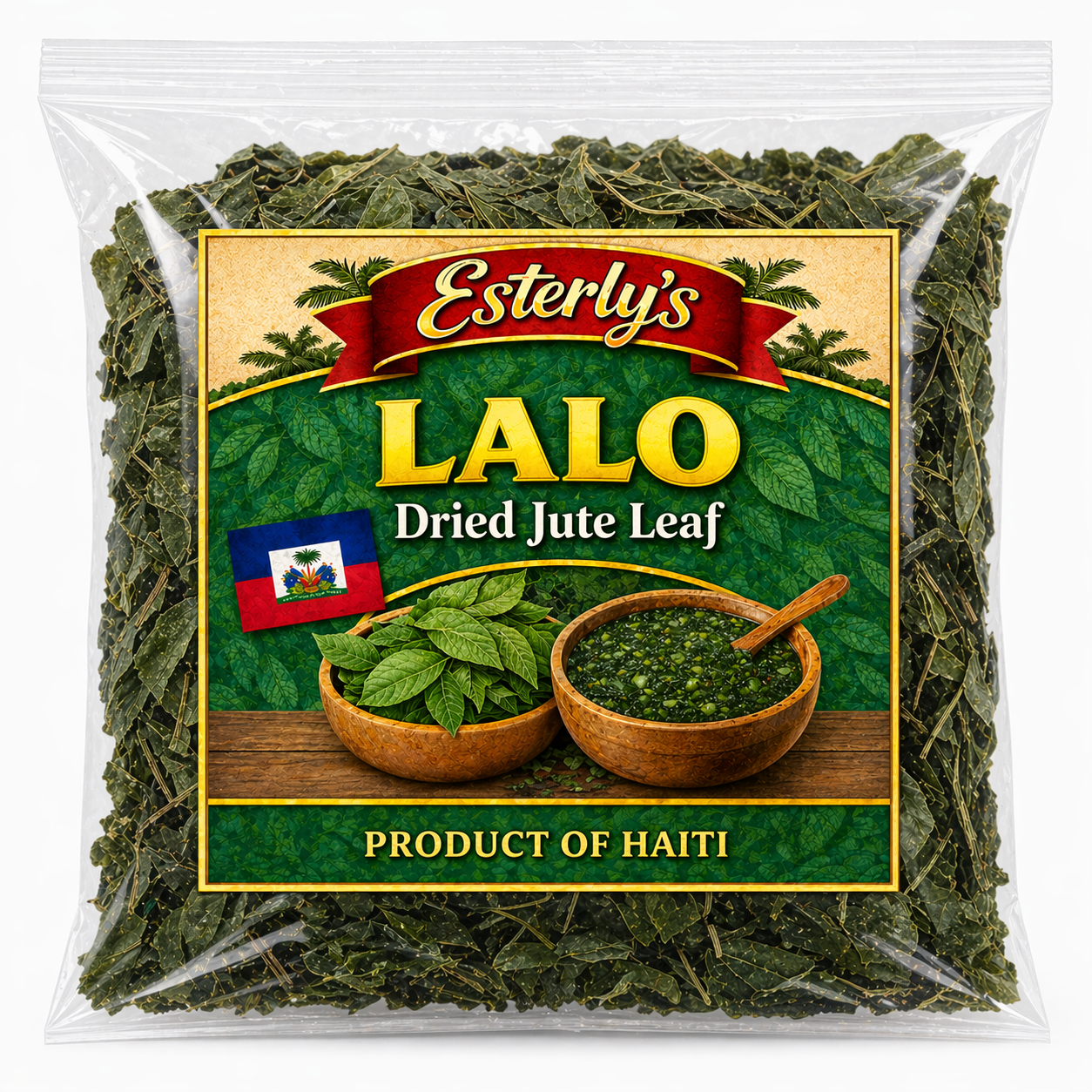
Lalo for Nutritious, Tasty Vegetables
FAQs
What is Haitian Lalo?
Haitian Lalo is a traditional Haitian dish made with jute leaves, also known as Lalo leaves, and typically cooked with meat, seafood, and spices. It is a popular and flavorful dish in Haitian cuisine.
What are the main ingredients in Authentic Haitian Lalo?
The main ingredients in Authentic Haitian Lalo include jute leaves (Lalo leaves), meat (such as beef, pork, or goat), seafood (such as shrimp or crab), onions, garlic, peppers, and a variety of spices like thyme, parsley, and bouillon.
How is Authentic Haitian Lalo typically served?
Authentic Haitian Lalo is typically served with rice and beans, fried plantains, and pikliz, which is a spicy Haitian condiment made with pickled vegetables. It is a hearty and satisfying meal that is often enjoyed with family and friends.
Can I make Authentic Haitian Lalo at home?
Yes, you can make Authentic Haitian Lalo at home. The recipe typically involves cooking the jute leaves with the meat or seafood, along with the spices and seasonings, until it reaches a flavorful and tender consistency. There are many variations of the recipe, allowing for personalization and creativity in the kitchen.
What are the health benefits of jute leaves used in Authentic Haitian Lalo?
Jute leaves, the main ingredient in Authentic Haitian Lalo, are rich in vitamins, minerals, and antioxidants. They are known for their potential health benefits, including improving digestion, boosting immunity, and supporting overall health and well-being. Jute leaves are a nutritious and flavorful addition to the diet.
No responses yet