
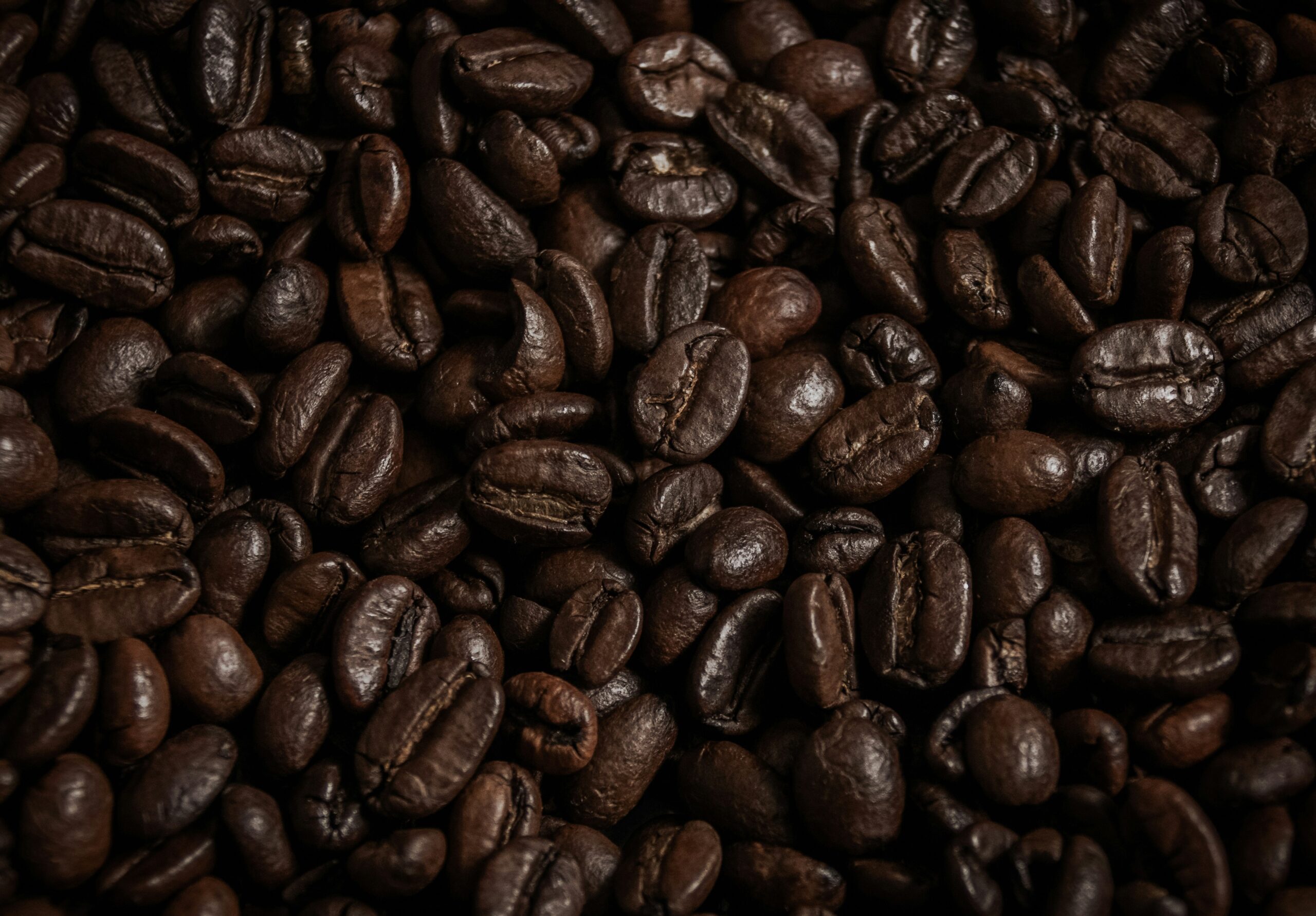
You might be wondering if those organic Haitian coffee beans are really worth the extra cost. The short answer is, yes, they often are, but it’s not just about a trendy label. It comes down to a blend of factors: the unique terroir of Haiti, the dedication of its farmers, the agricultural practices involved, and the distinct flavor profile that results. It’s about supporting a more sustainable and equitable coffee system, and if you enjoy a good cup, that translates to something tangible in your mug.
Haiti’s coffee-growing regions, particularly the fertile mountains, possess a distinct character that influences the beans. This isn’t just any dirt; it’s a complex mix.
Altitude’s Influence
Much of Haiti’s high-quality coffee is grown at significant altitudes. This is a critical factor for coffee development.
Slower Maturation, Denser Beans
Higher elevations mean cooler temperatures and a slower ripening process for the coffee cherries. This slower pace allows sugars to develop more fully within the bean, leading to a denser, more complex coffee that can offer richer flavors. Think of it like letting fruit ripen slowly on the vine – it develops more depth.
The Impact of Acidity
The altitude also influences the acidity of the coffee. While “acidity” in coffee is often misunderstood as sourness, it actually refers to a bright, pleasant tang that can cut through richness and add vibrancy. Higher altitudes tend to produce coffees with a desirable, well-balanced acidity.
Microclimates Matter
Within these mountainous regions, various microclimates exist. These subtle shifts in sun exposure, rainfall patterns, and wind can create unique growing conditions.
Unique Flavor Signatures
These microclimates contribute to the subtle but significant differences you might find even between coffee farms that are relatively close. It’s what gives each origin its own whisper of flavor, a nuance that dedicated coffee drinkers learn to appreciate.
Volcanic Influence (When Present)
While not as globally recognized as some other volcanic coffee regions, Haiti’s historical geological activity means some of its soils have volcanic elements.
Nutrient-Rich Ground
Volcanic soils are often exceptionally nutrient-rich. This abundance of minerals can be absorbed by the coffee plants, contributing to the overall health of the plant and the complexity of the bean’s chemical makeup, which in turn affects flavor.
If you’re interested in exploring the rich flavors of organic Haitian coffee, you might also enjoy learning about how to enhance your coffee experience with unique recipes. Check out this article on traditional and creative hot chocolate recipes using spices, which offers delightful ways to combine the robust taste of Haitian coffee with various spices, creating a warm and inviting beverage perfect for any occasion.
Why Organic Practices Make a Difference
The “organic” aspect of Haitian coffee isn’t just a certification; it reflects a commitment to agricultural methods that benefit the environment, the farmers, and ultimately, the coffee itself.
Environmental Stewardship
Organic farming emphasizes methods that work with nature, not against it.
Reduced Chemical Dependence
This means avoiding synthetic pesticides, herbicides, and fertilizers. This is crucial for preserving soil health, protecting water sources from contamination, and ensuring the safety of agricultural workers who might otherwise be exposed to harmful chemicals.
Supporting Biodiversity
Organic farms often become havens for local flora and fauna. The absence of harsh chemicals allows beneficial insects, birds, and other wildlife to thrive, creating a more balanced and resilient ecosystem on the farm. This biodiversity can even contribute positive attributes to the coffee’s environment.
Soil Health and Sustainability
Healthy soil is the foundation of good coffee. Organic practices are designed to build and maintain it.
Long-Term Fertility
Instead of relying on quick-fix synthetic fertilizers, organic farmers use techniques like composting, cover cropping, and natural soil amendments. These methods improve soil structure, water retention, and nutrient availability over the long term, ensuring the land can continue producing quality coffee for generations.
Preventing Water Runoff and Erosion
By maintaining healthy ground cover and improving soil structure, organic farming helps prevent topsoil erosion and reduces the likelihood of nutrient-rich soil washing into local waterways.
The Absence of Residues
For the consumer, the absence of chemical residues is a significant benefit.
Cleaner Cup Profile
While the taste difference might be subtle to some, the lack of chemical interference can contribute to a cleaner, more pure flavor profile. It allows the natural characteristics of the coffee bean to shine through without being masked or altered by synthetic compounds.
The Human Element: Farmer Dedication and Fairer Practices

Beyond the land and the beans, the people cultivating Haitian coffee play an indispensable role. Organic certification often aligns with efforts to ensure fairer treatment of these individuals.
Empowering Smallholder Farmers
A significant portion of Haitian coffee production comes from smallholder farmers, often working in cooperatives.
Direct Trade Models
Many initiatives supporting organic Haitian coffee work with direct trade models. This means coffee buyers often bypass intermediaries and purchase directly from the farmers or their cooperatives, ensuring a larger portion of the sale price stays within the producing community.
Investment in Communities
When farmers receive a fairer price for their organic coffee, they are better equipped to invest in their farms, their families, and their communities. This can mean improved infrastructure, better education for children, and access to healthcare.
Skill and Tradition
Cultivating coffee, especially under organic conditions, requires a high degree of skill and knowledge.
Generations of Expertise
Many Haitian coffee farmers have generations of experience passed down through families. They understand the nuances of their land, their trees, and the specific needs of coffee cultivation in their unique environment. This traditional knowledge is invaluable.
Adapting to Challenges
Farmers in Haiti face numerous challenges, from climate variability to economic pressures. Their continued dedication to producing high-quality coffee, especially when adopting organic methods, speaks volumes about their commitment and resilience.
The Unique Flavor Profile of Haitian Coffee

Putting it all together, the combination of Haitian terroir and organic practices often results in a distinctive and enjoyable coffee experience.
Subtle Nuances and Complexity
Haitian coffee, particularly from the specialty organic sector, tends to offer a nuanced flavor profile.
Bright Acidity, Balanced Body
You might find notes that are bright and citrusy, balanced by a medium body that provides a pleasant mouthfeel. It’s not usually an overpowering coffee, but rather one that reveals its character with each sip.
Earthy and Floral Undertones
Depending on the specific growing region and processing, you can sometimes detect earthy tones, hints of spice, or even delicate floral aromas. These are the hallmarks of a well-grown and well-processed coffee bean.
A Departure from the Ordinary
Compared to some mass-produced coffees, organic Haitian beans often provide a more unique and memorable taste.
Discovering New Palates
If you’re used to generic coffee, switching to a well-sourced organic Haitian coffee can be an eye-opening experience. It encourages you to pay closer attention to the subtle flavors and aromas.
The Taste of Place
Ultimately, the taste reflects the “place” from which it came – the specific climate, soil, and the human hands that nurtured it. It’s a tangible connection to the origin.
If you’re curious about the benefits of organic Haitian coffee, you might also find it interesting to explore how the composition of clay can impact agricultural practices. The article on the subject highlights the essential role that soil quality plays in cultivating high-quality crops, including coffee. Understanding these factors can deepen your appreciation for why organic Haitian coffee is worth it. For more insights, check out this informative piece on the composition of clay.
Is It Always More Expensive?
| Reasons | Benefits |
|---|---|
| High Quality | Rich flavor and aroma |
| Environmentally Friendly | Supports sustainable farming practices |
| Health Benefits | Free from harmful chemicals and pesticides |
| Social Impact | Supports local Haitian coffee farmers |
Often, yes, organic Haitian coffee comes with a higher price tag than conventional beans, but understanding why can make it feel like a worthwhile investment.
The True Cost of Production
Organic farming can be more labor-intensive and requires meticulous attention to detail.
Certification Costs
The process of obtaining and maintaining organic certification involves fees and regular inspections, which add to the overall cost of production.
Lower Yields (Sometimes)
While not always the case, some organic practices can sometimes result in slightly lower yields compared to conventional farming that utilizes aggressive chemical inputs. This means more land and effort might be needed to produce the same amount of coffee.
Direct Impact on Farmer Livelihoods
As mentioned earlier, a significant portion of the premium paid for organic Haitian coffee goes back to the farmers.
A Fairer Wage
This supports fair wages, sustainable farming practices, and enables farmers to reinvest in their operations and communities. It’s not just paying for the beans; it’s contributing to a more equitable and sustainable coffee industry.
Quality Justifies the Price
For many, the enhanced flavor, the ethical considerations, and the environmental benefits justify the higher cost. It’s a conscious choice to support a product that aligns with certain values and offers a superior sensory experience.
The Value Proposition
When you consider the factors – the unique terroir, the environmental benefits of organic practices, the dedication of the farmers, and the resulting complex flavor – the perceived value of organic Haitian coffee often exceeds its price tag. It’s an opportunity to enjoy a superior product while making a positive impact.
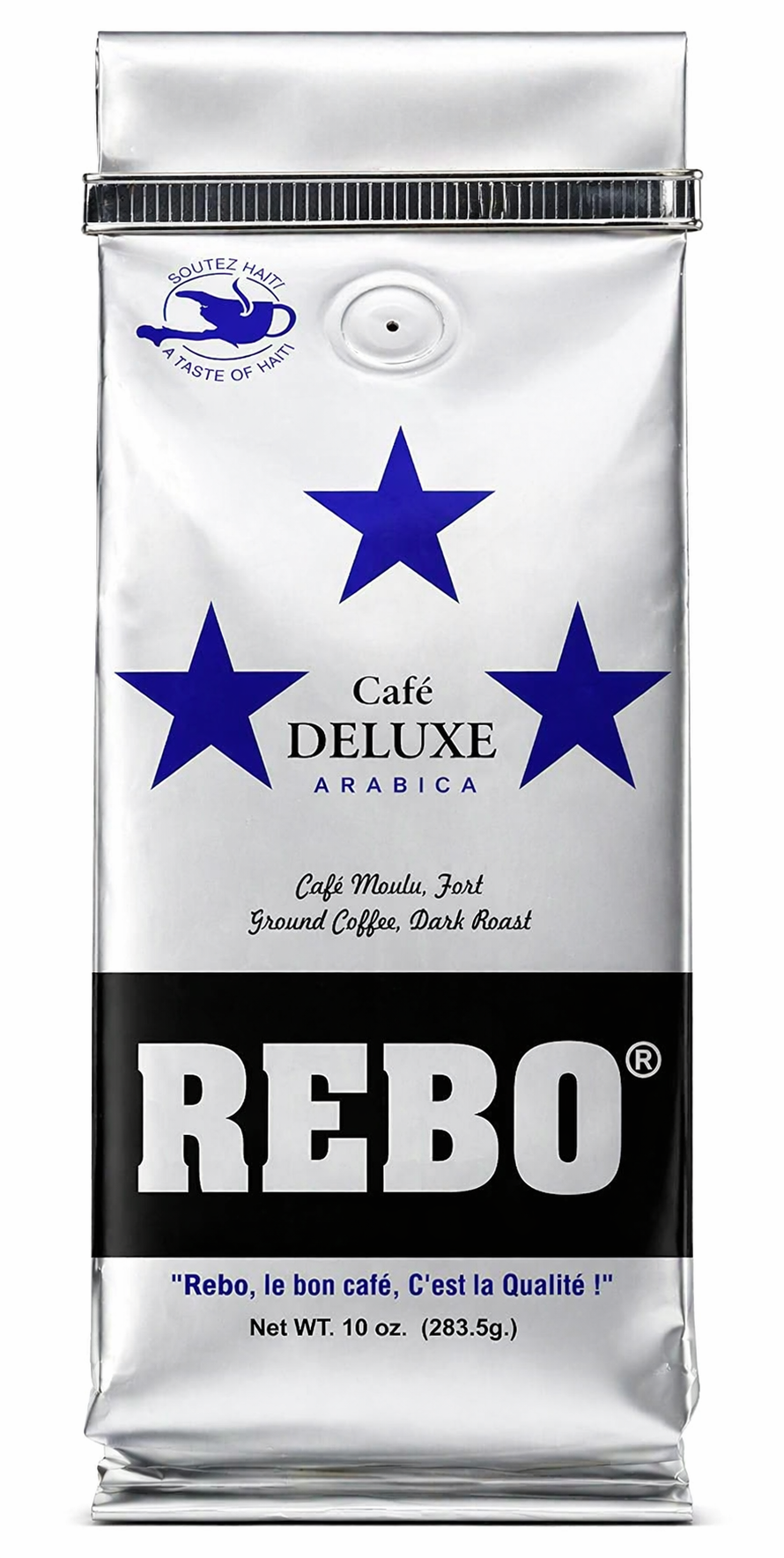
Café Rebo | Tasty Haitian Coffee
FAQs
What makes Haitian coffee unique?
Haitian coffee is unique due to its organic farming methods, high altitude growing conditions, and rich volcanic soil, which all contribute to its exceptional flavor profile.
Why is organic Haitian coffee worth it?
Organic Haitian coffee is worth it because it is grown without the use of synthetic pesticides or fertilizers, which not only benefits the environment but also results in a cleaner, more flavorful cup of coffee.
How does buying organic Haitian coffee support local farmers?
Buying organic Haitian coffee supports local farmers by providing them with fair wages and supporting sustainable farming practices, which in turn helps to improve the livelihoods of farming communities in Haiti.
What are the health benefits of organic Haitian coffee?
Organic Haitian coffee offers health benefits such as antioxidants, vitamins, and minerals, and it may also have lower levels of harmful chemicals compared to conventionally grown coffee.
How can I ensure that the organic Haitian coffee I buy is authentic?
To ensure that the organic Haitian coffee you buy is authentic, look for certifications such as USDA Organic and Fair Trade, and consider purchasing from reputable sources that have direct relationships with Haitian coffee farmers.
No responses yet