
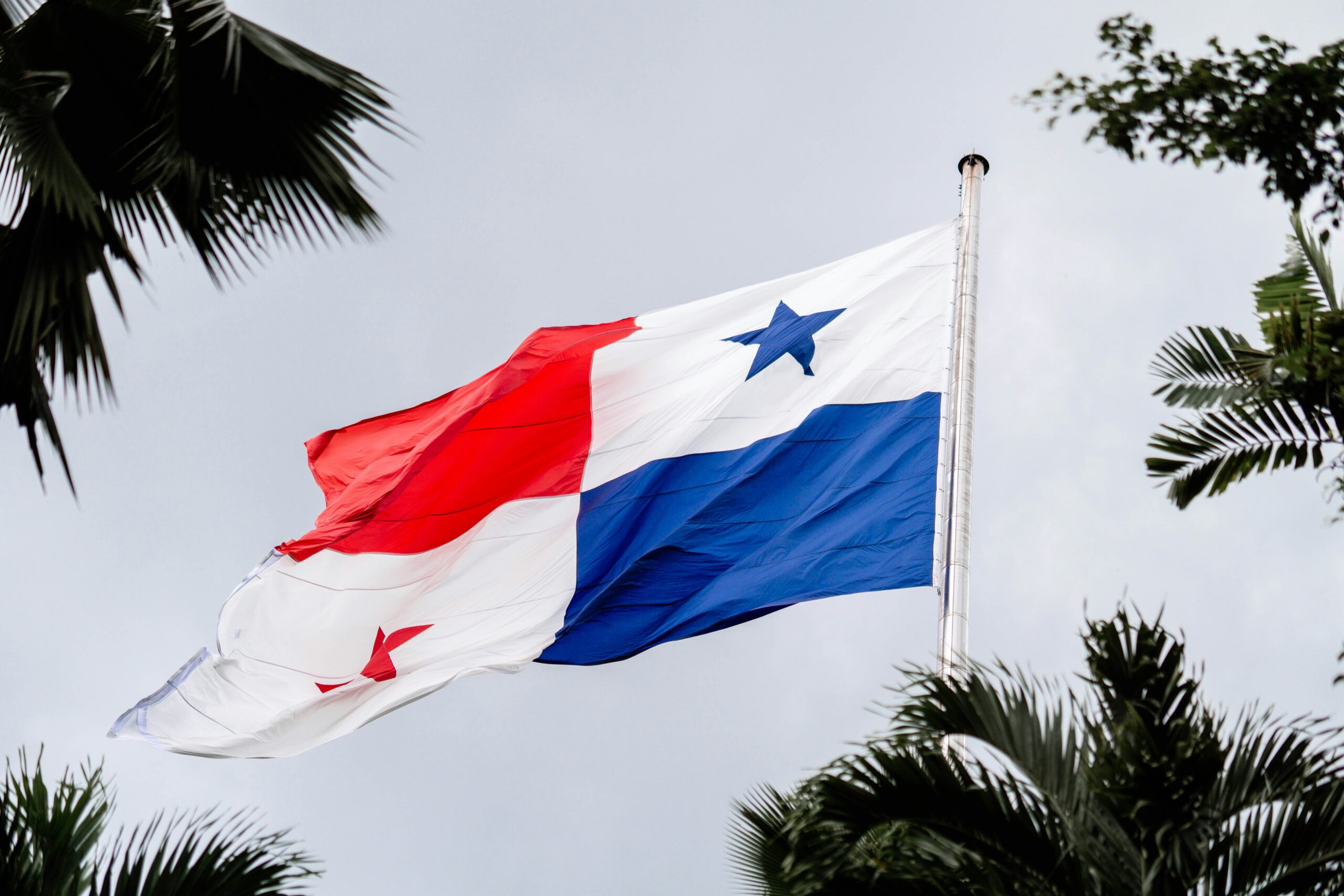
Let’s dive into the Haitian flag’s colors and what they actually represent, rather than just what we’re often told. It’s a powerful symbol, and understanding its layers adds depth to its story.
The most prominent colors on the Haitian flag, red and blue, are deeply intertwined with the nation’s founding principles and its journey to independence. These aren’t just random choices; they carry significant weight.
From Alliance to Independence
Historically, the red and blue represented the union of two distinct groups within the Haitian Revolution.
The Maroons and the Free People of Color
The red was often associated with the maroons, enslaved people who had escaped and formed independent communities, fighting for their freedom. They brought a fierce spirit of defiance and resilience to the revolutionary efforts. The blue, on the other hand, symbolized the free people of color, who, while not enslaved, also faced significant discrimination and oppression under colonial rule. They were often educated and had some economic standing, but their racial identity barred them from full rights. Their participation was crucial, bringing organizational skills and a different kind of struggle to the cause.
The Breaking of Chains
When these two groups united under the banner of revolution, the red and blue became a visual testament to their shared objective: the complete overthrow of French colonial power and the abolition of slavery. The combination signifies that diverse groups, united by a common goal, can achieve remarkable feats. It’s a reminder that strength often comes from bringing together different experiences and fighting for a shared liberation.
Beyond Simple Representation: The Dual Nature of the Colors
The interpretation of red and blue extends beyond mere group representation. They also embody overarching themes crucial to Haiti’s identity.
The Blood of Sacrifice
The red is widely understood to represent the blood shed by the Haitian people during their arduous struggle for independence. The revolution was a brutal and bloody affair, marked by immense hardship and loss of life. This color is a solemn acknowledgment of the sacrifices made, a constant reminder of the price paid for freedom. It’s not a cheerful red; it’s a commemorative one, honoring those who gave everything.
The Sky and the Sea: A Land of Hope
The blue, meanwhile, evokes the vast skies and the surrounding seas that cradle Haiti. These natural elements can symbolize freedom, aspiration, and the boundless potential of a nation forging its own destiny. The clear blue sky can represent hope and a future unburdened by the chains of slavery. The expansive ocean can signify the escape from oppression and the ability to chart one’s own course. It’s a forward-looking aspect, a vision of what Haiti could and should be.
If you’re interested in exploring the symbolism behind national flags, you might find the article “The Significance of Colors in National Flags” on Esterly’s Market’s blog quite enlightening. It delves into how colors represent cultural values and historical events in various countries, providing a broader context to the meanings behind flags, including Haiti’s. You can read it here: The Significance of Colors in National Flags.
The White of Peace and Sovereignty
The white elements of the Haitian flag, often overlooked in discussions of the red and blue, carry their own profound meanings.
The Absence of Oppression
The white, particularly in the central rectangle where the coat of arms is placed, signifies peace and tranquility that the nation aspired to achieve after centuries of conflict and enslavement. It’s the calm after the storm, the quiet that follows the roar of battle. This aspiration for peace is central to the nation’s identity, a hope for a stable and prosperous future.
The Coat of Arms: A Symbol of Self-Governance
The white rectangle also serves as the backdrop for Haiti’s coat of arms, which is a potent symbol of its sovereignty and self-governance. This inclusion is not accidental. It emphasizes that Haiti, having fought for its freedom, would govern itself.
The Palm Tree: Strength and Resilience
At the heart of the coat of arms is a palm tree, a symbol of strength and resilience. Palm trees are often found in tropical climates and are known for their ability to withstand harsh conditions. In the context of Haiti, this symbolizes the nation’s ability to endure and overcome adversity, a quality repeatedly tested throughout its history. It stands tall, a testament to its enduring spirit.
The Crown of Liberty
Above the palm tree, there is a Phrygian cap, often referred to as the cap of liberty. This is a common symbol of freedom and revolution, appearing on emblems and flags in many republics. For Haiti, it signifies the hard-won liberty and the end of monarchical or colonial rule. It’s a direct visual rejection of the oppressive systems that previously held the country captive.
The Cannons and Flags: Readiness and Victory
Surrounding the palm tree are cannons and flags. The cannons represent the military might that was necessary to achieve and defend independence. They are a reminder of the armed struggle. The French flags, often depicted in a state of being overcome or torn, symbolize the defeat of the colonial power. These elements collectively underscore the military victory and the assertion of national sovereignty through force.
The Motto: “L’Union Fait la Force”
Etched in a semicircle above the coat of arms is Haiti’s national motto: “L’Union Fait la Force” – Unity Makes Strength. This motto is intrinsically linked to the white.
Where Common Goals Meet
The white, as the foundation for this motto, reinforces the idea that true strength lies in the collective. It signifies that the nation’s ability to thrive and maintain its independence hinges on the unity of its people. This is a crucial message, especially in a country that has faced many internal and external challenges that could have fragmented its population. The white provides a clean canvas for this vital principle to be displayed prominently.
More Than Just Colors: A Complex History

It’s important to understand that the meanings of the Haitian flag’s colors are not static or universally agreed upon in every detail. They have evolved and carry layers of interpretation based on historical context and national sentiment.
The Democratic Republic of Haiti and the First Republic
When the flag was first adopted, the interpretation of its colors was deeply rooted in the immediate aftermath of the revolution. The red and blue were undeniably tied to the distinct groups that fought for liberation. However, subsequent interpretations have broadened these meanings to encompass more abstract ideals.
Early Interpretations and the Ideal of Nationhood
In the early days of the First Republic, the emphasis was heavily on the victory over the French and the establishment of a sovereign state. The colors were a declaration of independence and a symbol of the new nation’s existence. The white was a clear signal of a new beginning, free from the old order.
Evolving Symbolism in Later Republics
As Haiti’s history unfolded, facing internal strife and external pressures, the symbolism of the flag has continued to resonate. The red for sacrifice and the blue for hope and freedom have remained potent. The white continues to represent the aspiration for peace and the enduring strength of unity.
The Evolution of the Flag: From Stripes to Bicolor

The Haitian flag has not always looked exactly as it does today. Its transformation mirrors the nation’s journey.
The French Tricolor and the Birth of the Bicolor
The initial Haitian flag was a direct defiance of the French tricolor. The Haitian revolutionaries, led by figures like Toussaint Louverture, recognized the power of symbols.
The Rejection of Colonial Authority
The French flag represented the very authority they were fighting to dismantle. Thus, the Haitian flag was conceived as a deliberate departure, a visual statement of separation and self-determination.
The Birth of the Red and Blue Bicolor
The original bicolor flag, with its red and blue horizontal stripes, was created by removing the white from the French tricolor. This was a bold move, symbolizing the rejection of the oppressor’s colors and the creation of something entirely new, built from the sacrifices and aspirations of the Haitian people.
The Addition of the Coat of Arms: A Fuller Statement
The addition of the white rectangle containing the coat of arms solidified the flag’s message.
From Simple Statement to Detailed Declaration
While the red and blue bicolor was a powerful initial statement, the integration of the coat of arms provided a more detailed declaration of the nation’s identity and values. It moved beyond a simple declaration of independence to a more nuanced representation of its foundational principles.
The National Seal and Its Significance
The inscription of the motto and the imagery within the coat of arms became integral to the flag’s meaning. It wasn’t just about being free; it was about the principles that would guide that freedom. This made the flag a more comprehensive symbol of the Haitian nation, encompassing its past struggles, its present aspirations, and its foundational values.
In exploring the rich symbolism behind the Haitian flag, one might also find interest in how traditional Haitian cuisine reflects the country’s vibrant culture. For instance, the article on jute leaf, a staple in many Haitian dishes, offers insights into how this unique ingredient can spice up your vegetable selection. You can read more about it in this informative piece on jute leaf, which complements the understanding of Haiti’s cultural identity through its culinary practices.
The Enduring Significance of the Haitian Flag
| Color | Meaning |
|---|---|
| Blue | Symbolizes the union of black and mulatto Haitians |
| Red | Represents the blood shed by Haitians in their fight for independence |
| White | Signifies the freedom and purity of the Haitian people |
The Haitian flag is more than just a piece of cloth; it’s a living testament to the nation’s history, struggles, and aspirations. Its colors and symbols are deeply ingrained in the consciousness of the Haitian people.
A Symbol of Resilience in the Face of Adversity
Haiti has faced immense challenges throughout its history, from natural disasters to economic hardship and political instability. The flag stands as a constant reminder of the nation’s resilience and its ability to persevere.
The Unwavering Spirit of the Haitian People
The red, representing the blood spilled, is a reminder of past struggles but also of the courage and determination that got Haiti through them. The blue, symbolizing hope and the vastness of opportunity, continues to inspire. The white, signifying peace and the strength of unity, remains a guiding principle for overcoming divisions.
A Beacon of Inspiration for Other Nations
Haiti’s revolution was the first successful slave revolt in history, a monumental achievement that sent ripples across the globe. The flag, therefore, also stands as a symbol of liberation and inspiration for oppressed peoples everywhere.
The First Free Black Republic
The very act of Haiti achieving independence and creating its own flag was a revolutionary act that challenged the established world order. The flag is a tangible representation of that groundbreaking achievement, demonstrating that freedom and self-governance are achievable even against overwhelming odds. It’s a symbol that resonates far beyond Haiti’s shores, a testament to the enduring human desire for liberty.
FAQs
What are the colors of the Haitian flag?
The Haitian flag consists of two horizontal bands of blue and red, with a centered white panel.
What do the colors of the Haitian flag represent?
The blue color represents the country’s black citizens and the red color symbolizes the mulatto population. The white panel represents the unity and the people of the country.
When was the Haitian flag first adopted?
The Haitian flag was first adopted on February 26, 1986, after the fall of the Duvalier regime.
Are there any historical significance to the colors of the Haitian flag?
Yes, the colors of the Haitian flag are said to be inspired by the French flag, as Haiti was a French colony before gaining independence in 1804.
How is the Haitian flag celebrated in the country?
The Haitian flag is celebrated on May 18th, known as Flag Day, with parades, cultural events, and the flying of the flag throughout the country.
No responses yet